

 English
  Français
 عربى
عربى Español
 中文简体
中文简体News
Home / Blogs / Industry News / Wooden 2B School Graphite Pencils: The Everyday Tool That Still Matters
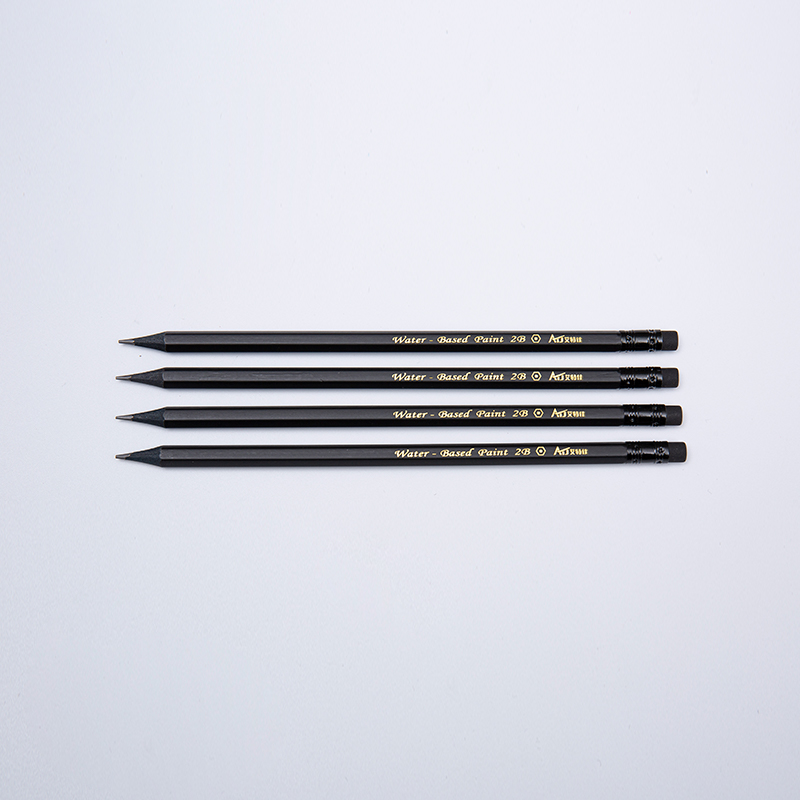
Classrooms run on simple tools. Paper. Erasers. And the wooden 2B school graphite pencil. It is the first pencil most children hold. It is the one teachers reach for when marking work. A wooden 2B school graphite pencil is cheap, reliable, and does one job well: it puts dark, clear lines on the page.
Pencil grades run from hard to soft. H pencils are hard. They leave light marks. B pencils are softer. They leave darker marks. A wooden 2B school graphite pencil sits in the sweet spot. The graphite core is soft enough to glide on paper without pressing hard. It is dark enough to read easily. It is firm enough to hold a point for a full line of writing.
Children benefit from a 2B grade. Little hands get tired pressing down with a hard HB. A wooden 2B school graphite pencil writes with less effort. The line is bold. Teachers do not squint at faint letters. Early writers build confidence because the mark looks clear on the first try.
Many school pencils use cedar or basswood. Cedar sharpens cleanly. The wood cuts away in a smooth curl. Basswood is more common in budget pencils. It sharpens well enough and costs less. A wooden 2B school graphite pencil needs timber that sharpens without splintering. A pencil that fights the sharpener wastes classroom time.
The wood also protects the core. Graphite is brittle. A well-centered core inside straight-grained wood survives drops from desks. It survives the bottom of a backpack. Cheap pencils with off-center cores break inside the wood. You sharpen and sharpen and the tip keeps falling out. That is a sign of poor manufacturing.
Some wooden 2B school graphite pencils come with an attached eraser. Some do not. The attached eraser is convenient. The child does not need to find a separate eraser. But attached erasers are often small and wear down quickly. Once the eraser is gone, the metal ferrule stays. It clicks against the desk. It gets chewed. Many teachers prefer plain-end pencils with a separate block eraser. The eraser lasts longer and does a better job. Schools make this choice based on how the pencils get used and how often they get lost.
Schools order pencils by the gross. A single classroom can burn through hundreds in a year. Here is what matters in a bulk purchase:
The lacquer finish deserves attention. Cheap lacquer cracks when sharpened. The cracks catch on fingers. A good wooden 2B school graphite pencil has a thin, even coating. It is usually yellow, but colors vary by brand. The coating should not smell strong. A chemical smell indicates poor-quality solvents that have no place in a classroom.
Primary classrooms. A wooden 2B school graphite pencil is standard in early years education. Children learn letter formation. They draw. They shade. The soft dark line gives instant feedback.
Art rooms. 2B pencils are not just for writing. Art teachers use them for sketching and shading. The grade is soft enough to blend but hard enough for line work. Students learning tone and texture start with a 2B.
Exam halls. Many standardized tests now require 2B pencils for filling in answer sheets. The optical scanners read the dark graphite mark reliably. An HB mark can be too faint. A wooden 2B school graphite pencil gives a clean, machine-readable mark every time.
A bad batch of pencils disrupts a classroom. The cores snap. The sharpener jams. Children lose focus. Teachers waste time handing out replacements. A wooden 2B school graphite pencil from a careful manufacturer costs a little more per unit. The saving comes in fewer wasted pencils and fewer interruptions.
The graphite itself varies by source. Good graphite is milled fine and mixed with clay in precise proportions. The 2B formula has more graphite and less clay than harder grades. That ratio must be uniform. A pencil labeled 2B that writes like a 4H is a factory error. The user blames the pencil, not the grade stamp.
Wood pencils last indefinitely if kept dry. Humidity swells the wood. Swollen pencils do not fit sharpeners. A wooden 2B school graphite pencil stores outstanding in a cool, dry stockroom. Bulk boxes should stay sealed until needed. Once open, keep pencils in a lidded container. Floor sweepings and dust settle in the sharpener and grind the blades dull.
Wood pencils come from trees. Responsible manufacturers use reforested timber. Cedar grows back. Some makers now offer pencils from FSC-certified wood. A wooden 2B school graphite pencil is biodegradable. The wood breaks down. The graphite is inert carbon. The small metal ferrule, if present, is the only part that does not decompose. This matters to school districts with sustainability policies.
A wooden 2B school graphite pencil is not complicated. Soft, dark graphite. Straight-grained wood. A finish that sharpens clean. Order a sample box before committing to a bulk order. Sharpen a few. Write a paragraph. Give them to children to test. The pencil that sharpens smoothly and writes dark with light pressure is the one to buy. The rest is packaging and price.
Good pencils make learning easier. Children write more. They write better. They stop fighting the tool and focus on the work. That is what a wooden 2B school graphite pencil is for.
If you have any questions, please fill out the contact form at the bottom of the page and contact us.
 24 Colors Kids Double Ended Wood Color Pencils
 Cedar Wooden Mixed Color Pencils
 Hexagonal Watercolour Pencils for Children Drawing
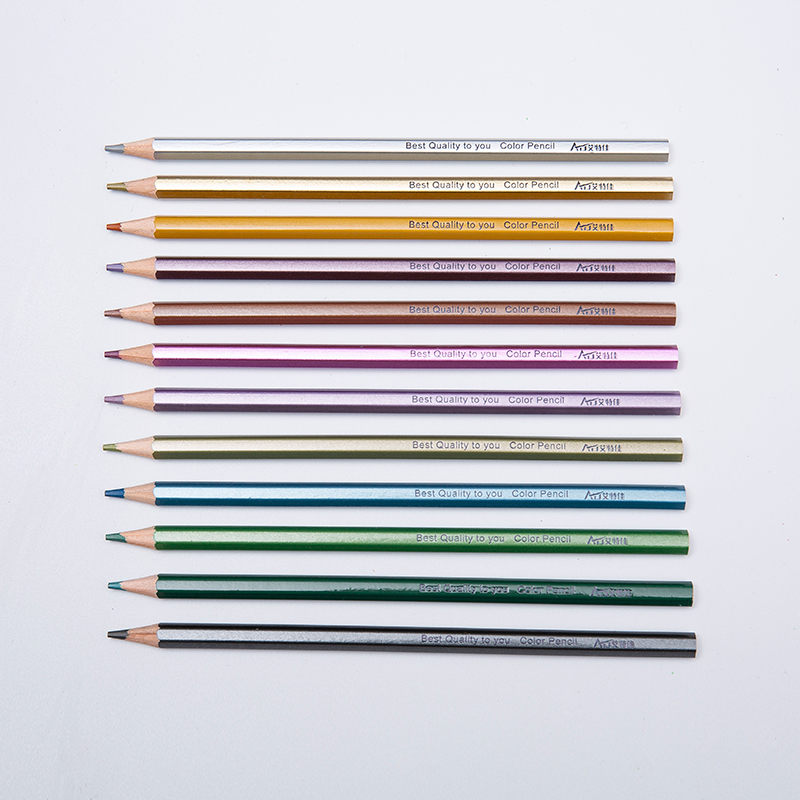 Metallic Colouring Pencils for Drawing
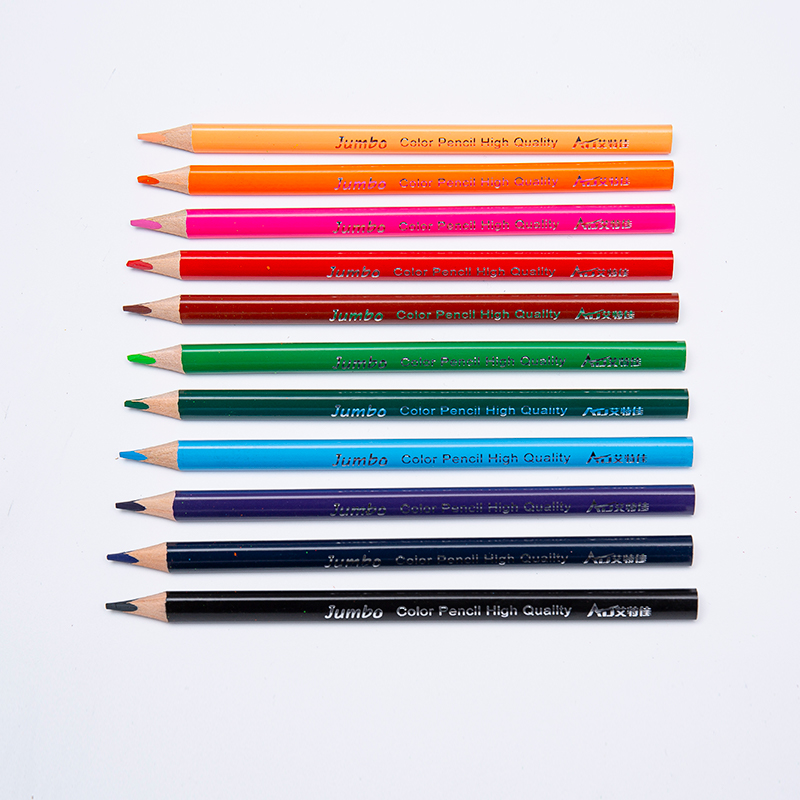 Natural Wood Jumbo Triangular Color Pencils
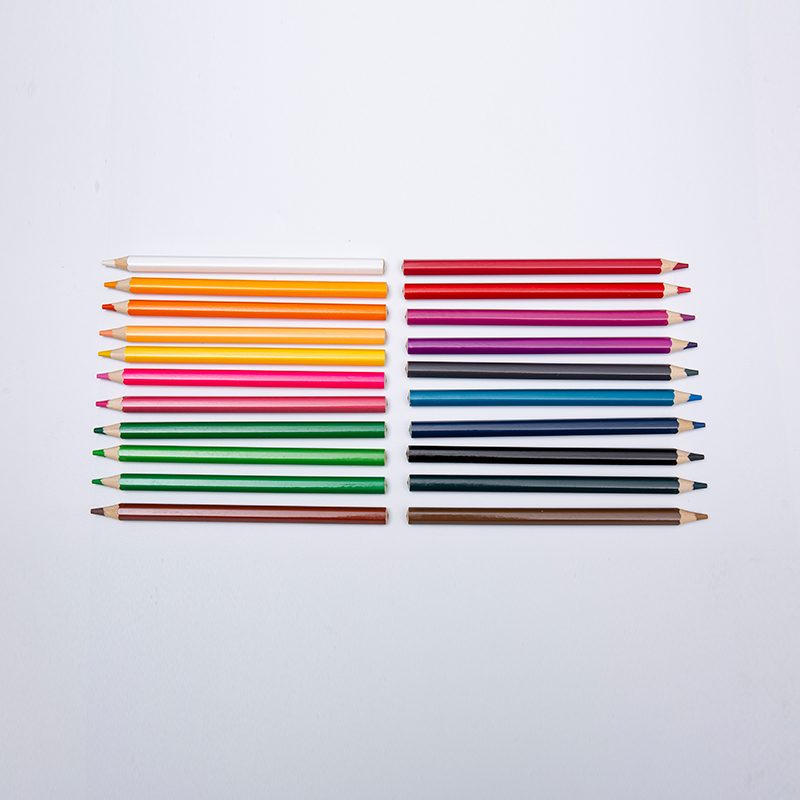 Hexagonal Jumbo Color Pencils
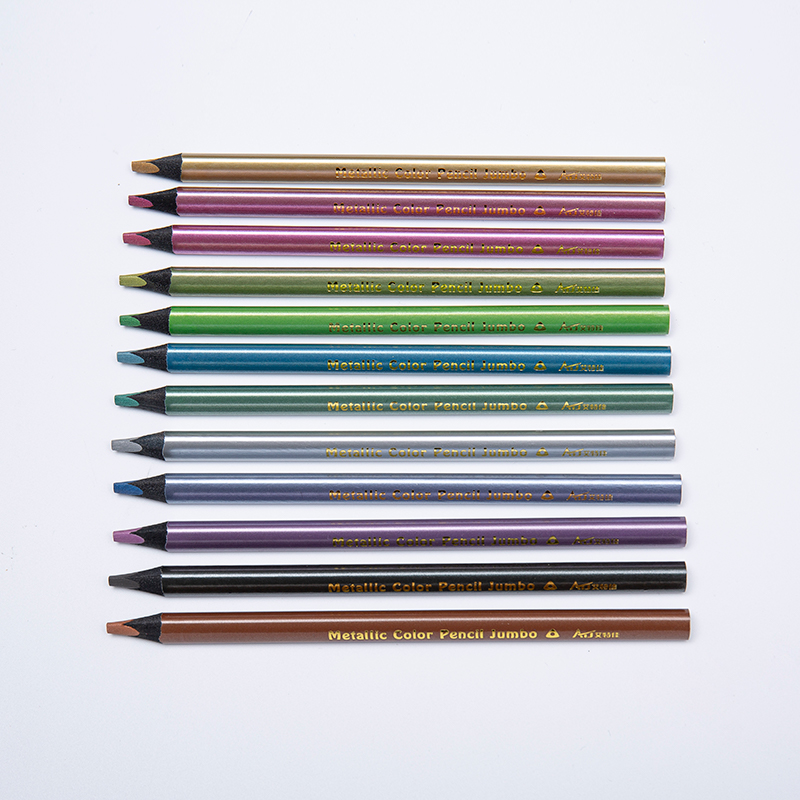 Jumbo Triangular Metallic Colored Pencils
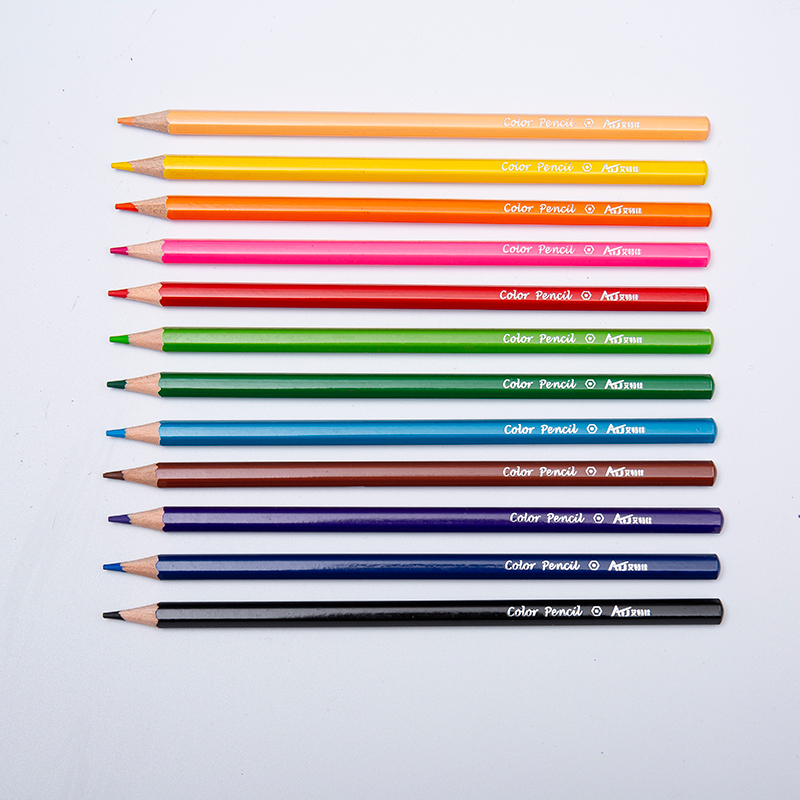 Students Hexagonal Wooden Watercolor Pencils
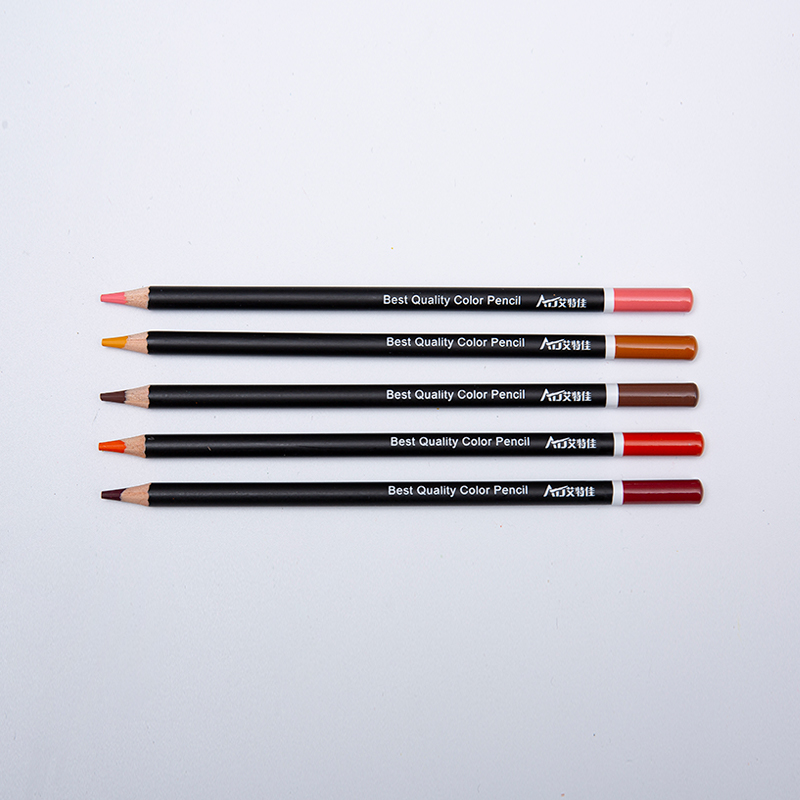 Eco-friendly Colored Pencils With Dipping End
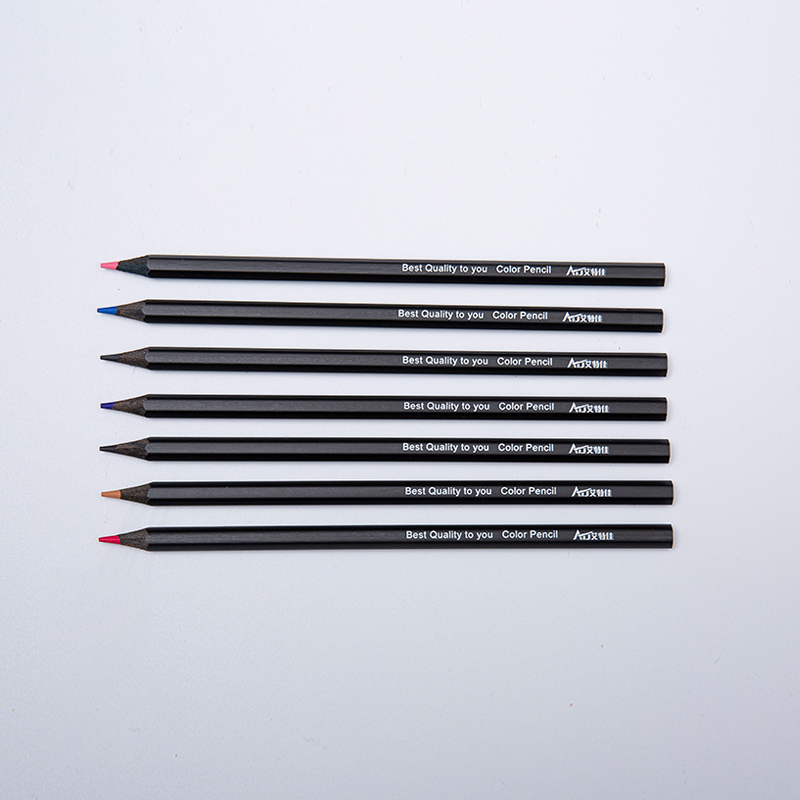 Professional Black Wood Hexagon Color Pencils
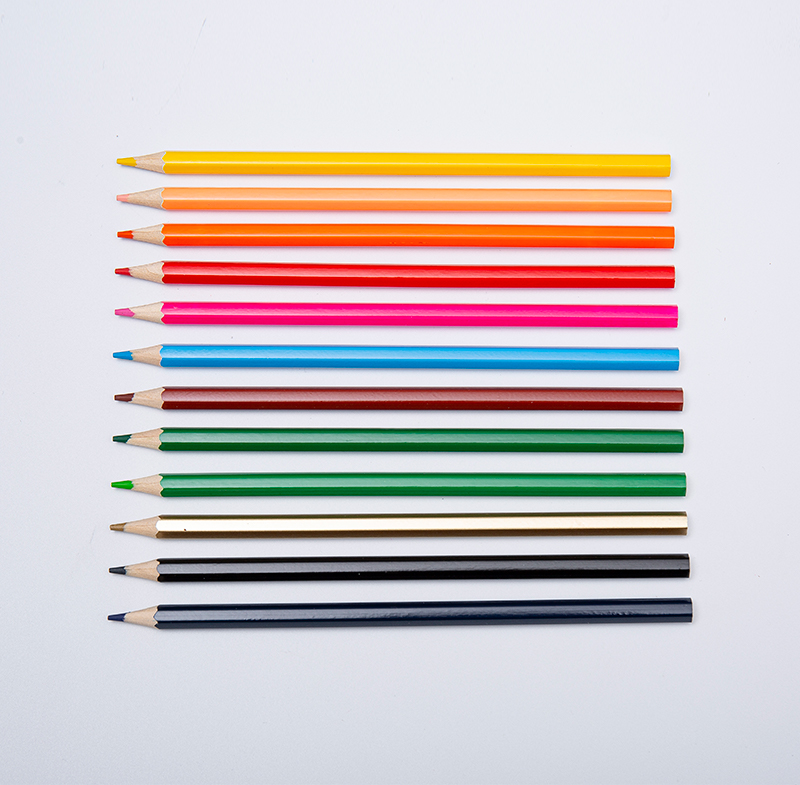 Hexagonal Drawing Colour Pencils for Children Adult
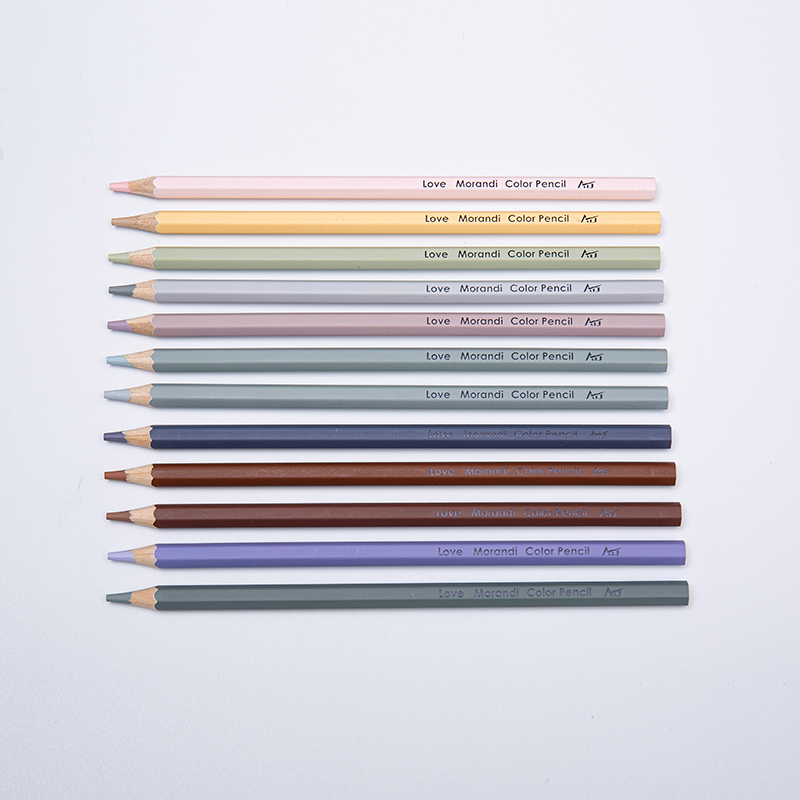 White Linden Morandi Colored Pencils
© Aitejia Stationery
No 32. Jinshan Avenus, Pingdu Industrial Zone, Qingyuan Country, Lishui, Zhejiang, China
+(86) 19857810299 / +(86) 578-6057586
Copyright ©Zhejiang Aitejia Stationery Co., Ltd. All Rights Reaerved.
Colored Wood Pencils Slats Factory

 Previous