
 English
  Français
 عربى
عربى Español
 中文简体
中文简体News
Among the woods used for pencil making, linden holds a respected position. It has been a traditional choice for artists' pencils and high-quality writing instruments for generations. Soft linden pencil slats offer a fine, uniform texture that machines cleanly and accepts paint evenly. The wood lacks the prominent grain lines found in some other species, which means pencils made from soft linden pencil slats have a smoother surface feel from the first sharpening to the last stub.
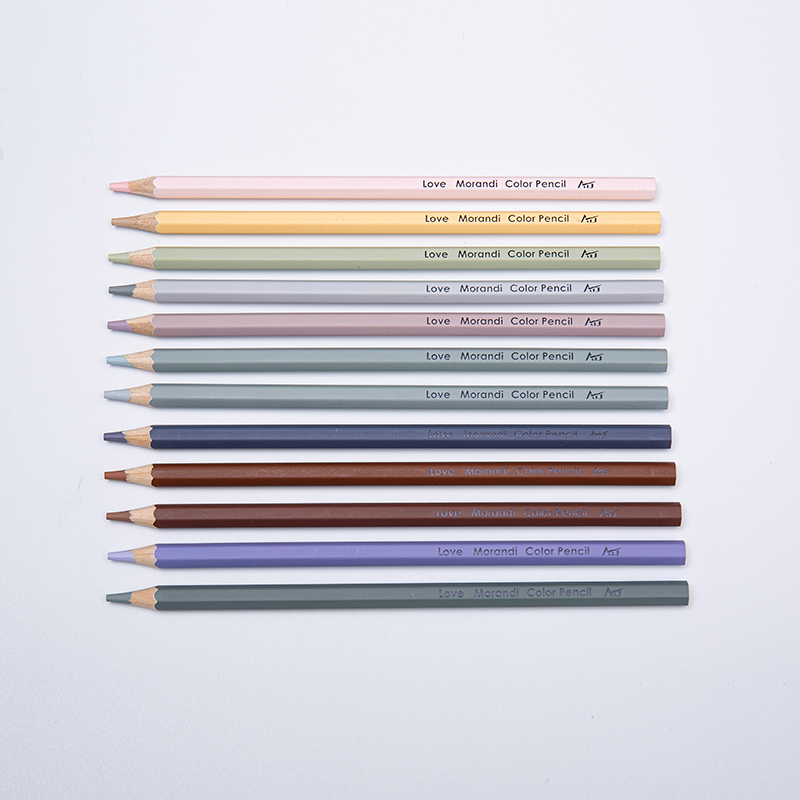
Linden grows in temperate regions across Europe and Asia. The trees produce wood that is light in color, ranging from cream to pale straw. This light background takes colored paints and stains without the wood tone showing through. For manufacturers producing pencils in bright or pastel colors, soft linden pencil slats provide a neutral base that does not interfere with the intended finish.
Key Properties of Quality Slats
A reliable supply of soft linden pencil slats meets several physical standards. The wood density typically falls between 380 and 450 kilograms per cubic meter when dried to the correct moisture level. This density range is lighter than birch but heavier than some fast-growing poplar varieties. The result is a pencil that feels substantial in hand without being heavy.
The grain of soft linden pencil slats is straight and fine. Unlike woods with alternating hard and soft growth rings, linden has a more consistent cell structure. This consistency means the cutting tools used to groove and shape the slats wear more slowly. Operators running production lines with soft linden pencil slats typically report fewer tool changes and less downtime for sharpening.
Soft linden pencil slats also have low natural oil content. Some woods contain resins or oils that interfere with glue adhesion. Linden accepts standard pencil glues readily, creating strong bonds between the two slats that surround the lead. A pencil made from soft linden pencil slats will not split along the glue line under normal use.
Processing and Assembly Steps
Manufacturers working with soft linden pencil slats follow a sequence similar to other woods but with adjustments for the material's unique behavior:
- Slats are conditioned to the target moisture content before grooving
- Grooving depth is set based on lead diameter and wood compression
- Glue is applied in a thin, even layer to avoid seepage into the lead channel
- Pressing pressure is calibrated to avoid crushing the soft linden fibers
The conditioning step is particularly important for soft linden pencil slats. Linden absorbs moisture evenly across its structure. When slats arrive at the factory, they may have been stored under varying conditions during transport. A stabilization period in a humidity-controlled room allows the entire batch of soft linden pencil slats to reach the same moisture level before processing begins.
During grooving, soft linden pencil slats produce clean channels with small fuzz or rough edges. The cutting wheels leave a smooth surface that holds the lead without additional treatment. This clean cut reduces the chance of lead displacement during the pressing step.
Shaping and Surface Finish
After the two soft linden pencil slats are glued together around the lead, the bonded blocks move to shaping machines. The shaping cutters round the block and separate individual pencils. Linden's fine texture allows these cutters to produce a glass-smooth surface without sanding. Pencils emerging from the shaper are already smooth to the touch in cases.
Finishing processes take advantage of the soft linden pencil slats surface properties:
- Base coats adhere without soaking in unevenly
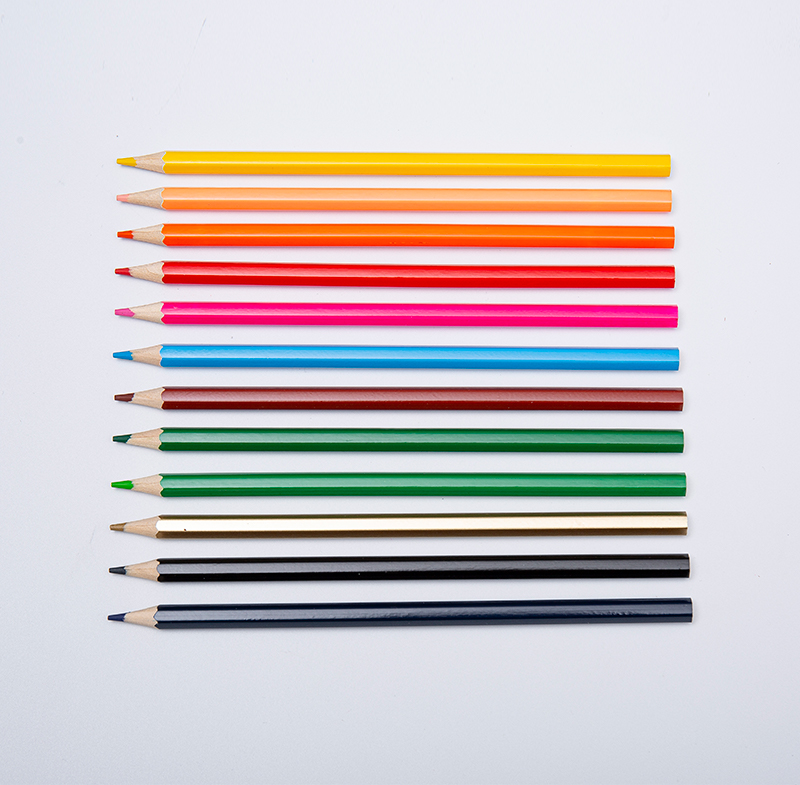
- Colored paints appear true to the intended shade
- Clear top coats add shine without clouding
- Foil stamping or printing sits cleanly on the surface
The light color of soft linden pencil slats means that white or light-colored paints cover completely in fewer coats. Manufacturers producing pencils with light finishes save material costs because the wood does not darken the applied color.
Quality Indicators for Finished Pencils
Pencils made from soft linden pencil slats show specific characteristics that users notice:
- The wood sharpens in continuous ribbons rather than powder
- Sharpened points hold their shape without crumbling
- The pencil surface feels smooth even before painting
- Paint remains intact after repeated sharpening
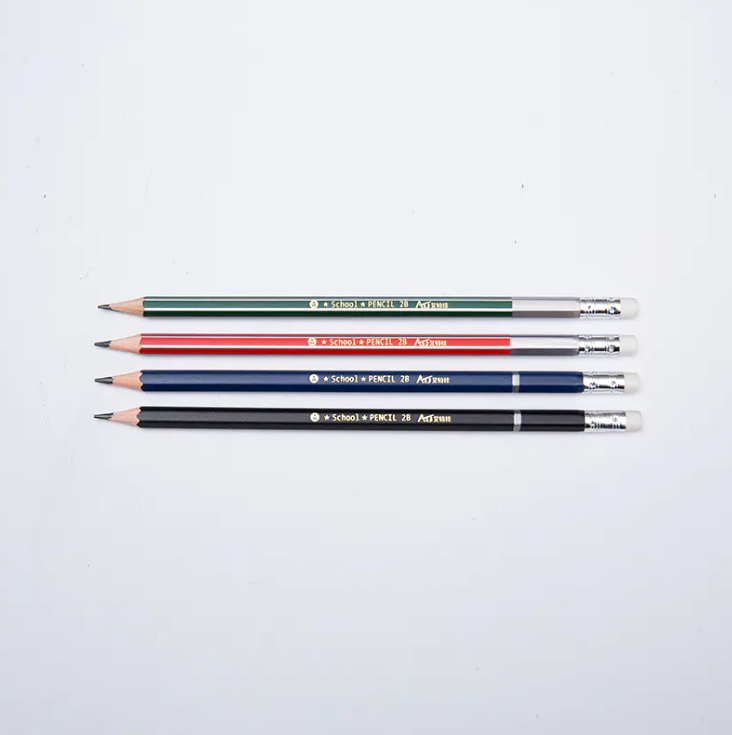
These qualities matter to different user groups. Students need pencils that sharpen quickly between classes. Artists want pencils that feel balanced and respond well to different sharpening methods. Office workers expect a clean appearance without paint flaking. Soft linden pencil slats help manufacturers meet these expectations across all three groups.
A Traditional Choice for Quality Pencils
From drawing pencils sold in art supply stores to premium writing instruments in office catalogs, soft linden pencil slats continue to serve as a reliable foundation. The wood's fine grain, consistent density, and light color support efficient production and good user experience. When a pencil feels right from the first word to the last, the slat underneath deserves some of the credit.
 Previous