

 English
  Français
 عربى
عربى Español
 中文简体
中文简体News
Home / Blogs / Industry News / Writing Stripe Pencil with Erasers Depends More on Ferrule Grip Than Stripe Alignment
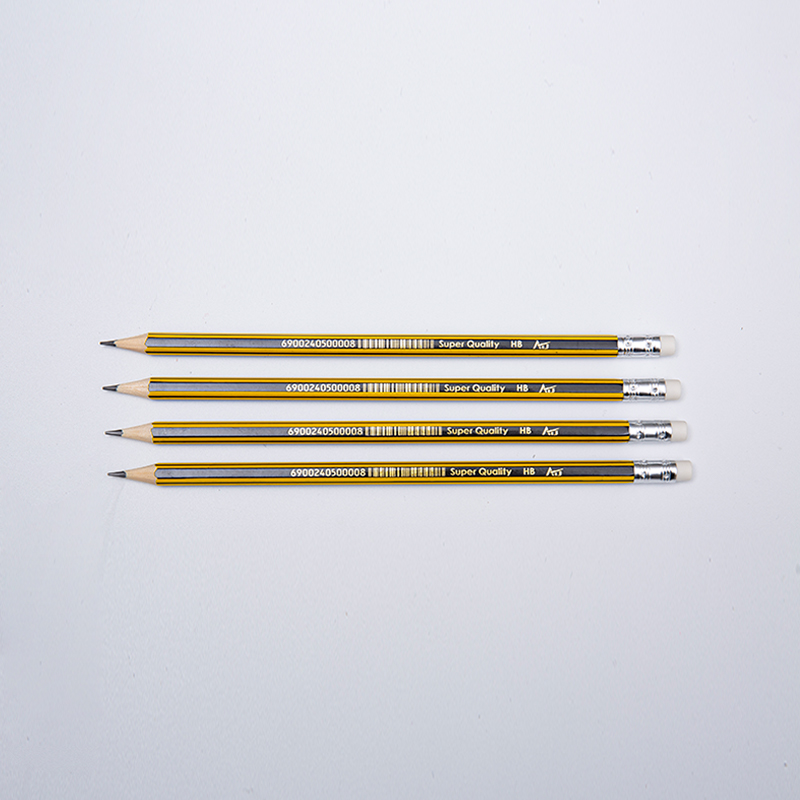
A writing stripe pencil with erasers sells on two promises: the striped barrel catches the eye on a crowded store shelf, and the built-in eraser means never hunting for a separate one. The stripes are decoration. The eraser is hardware. When the eraser wobbles loose or hardens into a useless nub, the pencil loses half its reason for existing, no matter how well the graphite writes. A factory that treats the ferrule crimp and the eraser compound as afterthoughts ships pencils that fail before the first sharpening is done.
Striped patterns are lacquer bands laid over a cured base coat. If the base coat has not fully set, the solvents in the stripe lacquer reactivate it and the two layers wrinkle into a mess. Registration between the colors must stay tight. A stripe that drifts by half a millimeter creates a blurred edge that reads as sloppy. The stripes contribute nothing to writing quality. But stripes that flake off in the sharpener or fade unevenly after weeks knocking against other pencils in a case make the whole pencil look disposable. Decoration that fails drags the product perception down with it.
The ferrule is the metal collar crimped onto the back end of the pencil. It carries the eraser. The crimp is a single mechanical operation, but the margin between too loose and too tight is narrow. Not enough pressure and the ferrule spins around the barrel or pulls off the first time someone erases with force. Too much pressure and the wood barrel splits underneath. Split wood loses its grip, so the ferrule loosens either way. The pencil end must be cut square and clean. A ragged end from a worn saw blade leaves uneven wood fibers. Under crimp pressure, those fibers compress differently around the circumference. The ferrule grips in some spots and floats in others. The resulting wobble cannot be fixed.
Inside the ferrule, the eraser sits in a small pocket. Some manufacturers glue it in place. If the adhesive reacts with the rubber compound, it hardens the eraser at the bond line, creating a brittle zone that snaps off after a few uses. Other manufacturers rely on friction fit. A slightly undersized eraser simply falls out. A two-part ferrule with an inner locking sleeve solves the retention problem mechanically, but most production lines skip the extra step.
Erasers contain plasticizers that keep the rubber soft and effective. Over time, those plasticizers migrate out. The eraser hardens into a glossy nub that smears graphite across the page instead of lifting it. This degradation happens in warehouses and on store shelves, not in the user's hand. A factory that sources erasers made from stable compounds with slow plasticizer migration ships pencils that still erase properly months after production. A factory that buys on price alone ships pencils where the eraser is already going stiff before the package is opened.
Eraser size determines whether the feature is useful or merely decorative. An eraser that protrudes only a few millimeters from the ferrule wears down after a handful of corrections, leaving bare metal scraping the paper. An eraser long enough to survive weeks of use gives the pencil a functional lifespan. Some designs include replaceable eraser refills. Most do not, and the entire pencil becomes waste when the eraser is gone.
A writing stripe pencil with erasers is a small assembly of paint, wood, graphite, metal, and rubber. The stripes make the first sale. The graphite determines whether the pencil writes well enough to keep using. The ferrule and the eraser determine whether the pencil stays whole and useful or gets thrown in the back of a drawer missing its reason for being there. None of these components is expensive on its own. Getting all of them right in the same pencil is what separates a stationery staple from a disappointment.
If you have any questions, please fill out the contact form at the bottom of the page and contact us.
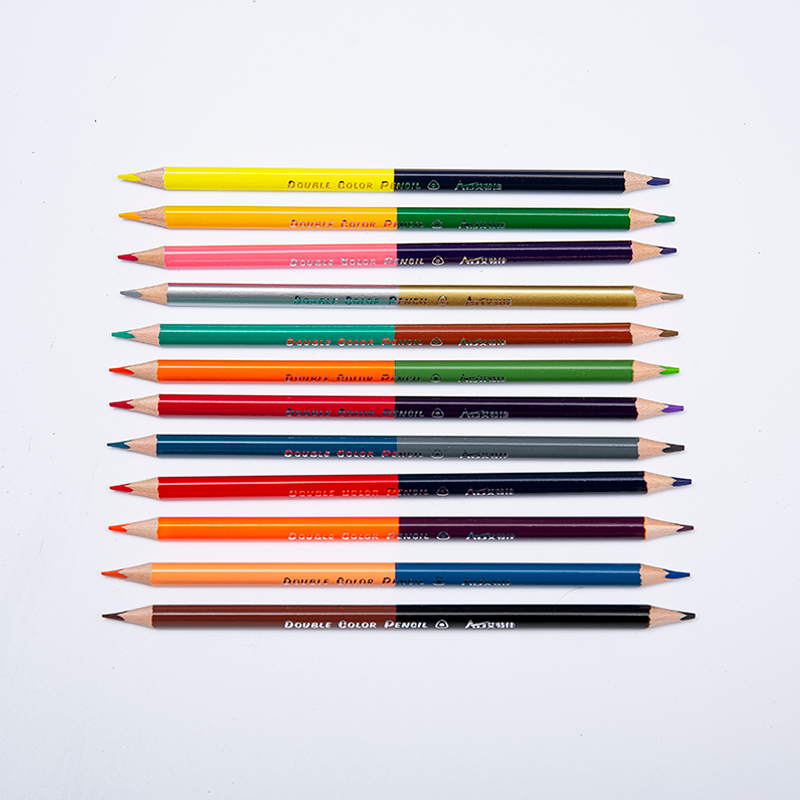 24 Colors Kids Double Ended Wood Color Pencils
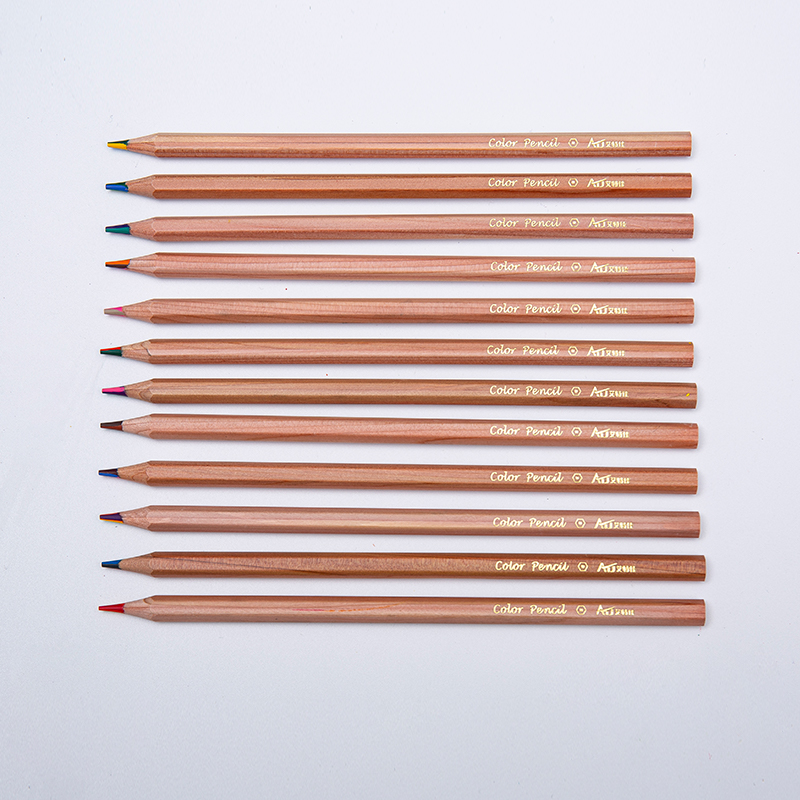 Cedar Wooden Mixed Color Pencils
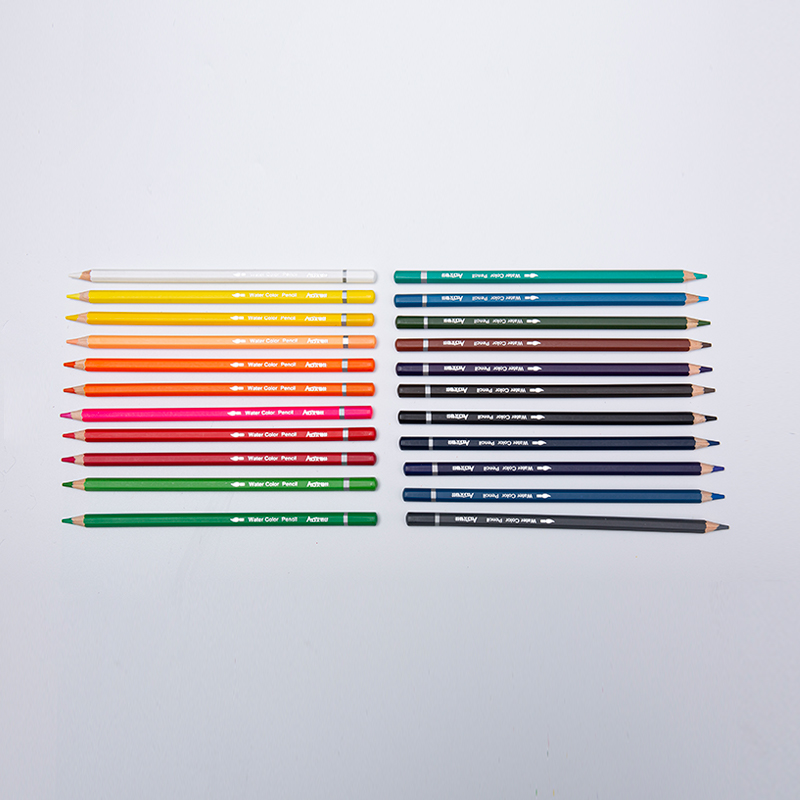 Hexagonal Watercolour Pencils for Children Drawing
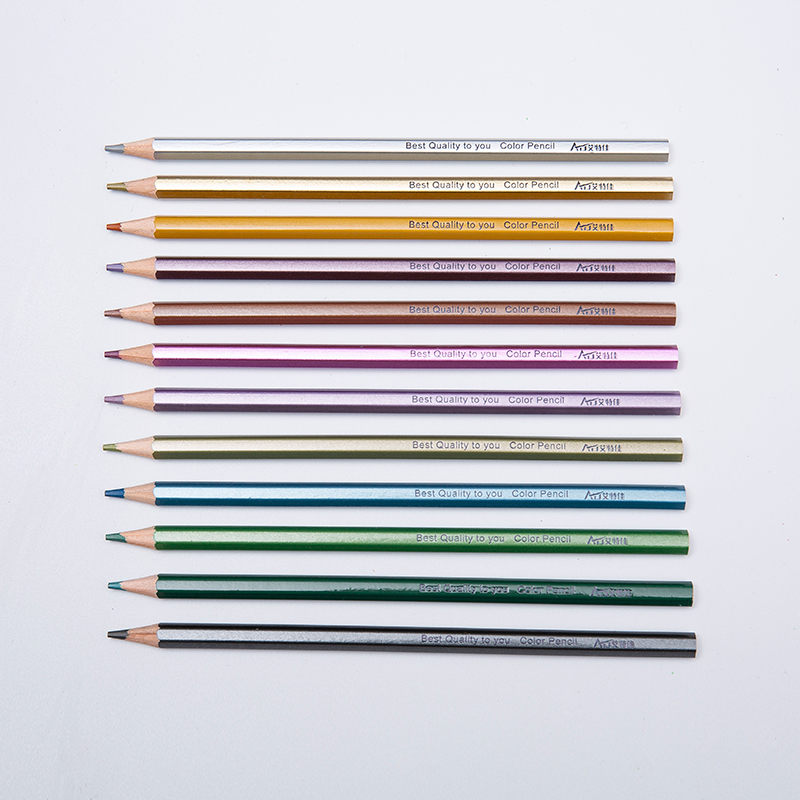 Metallic Colouring Pencils for Drawing
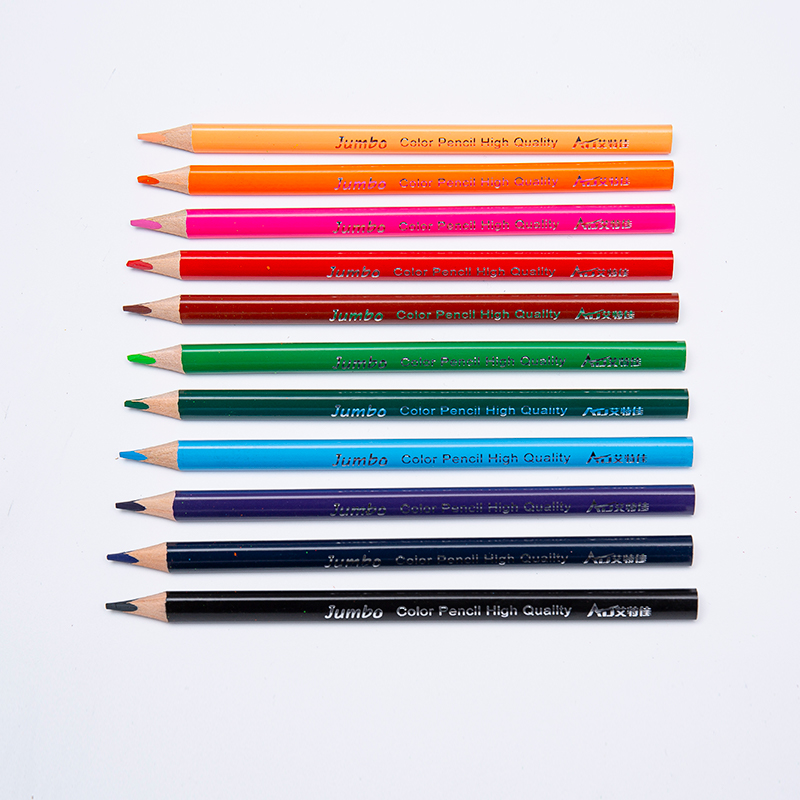 Natural Wood Jumbo Triangular Color Pencils
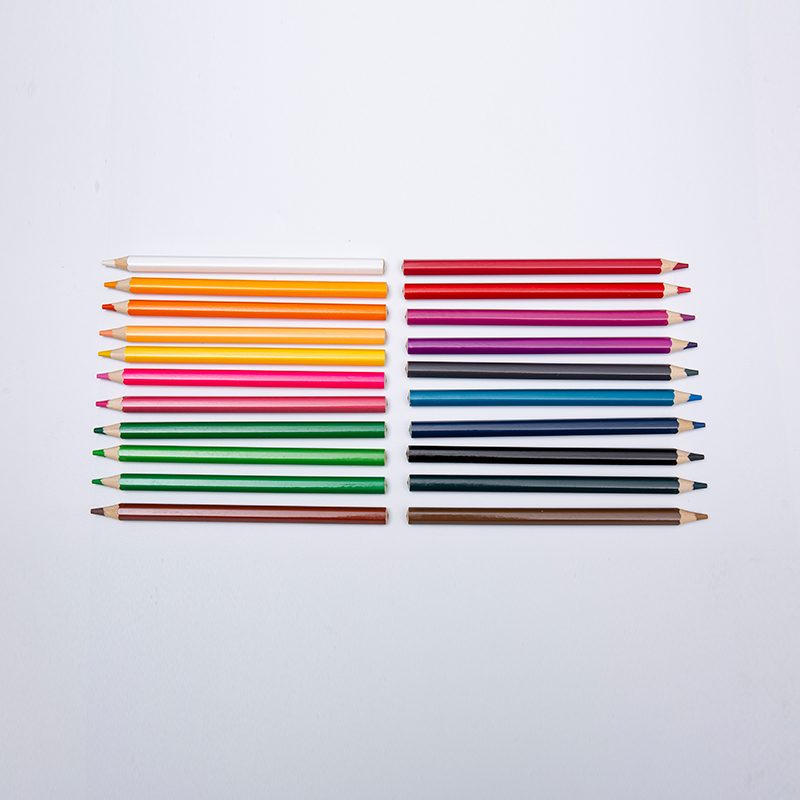 Hexagonal Jumbo Color Pencils
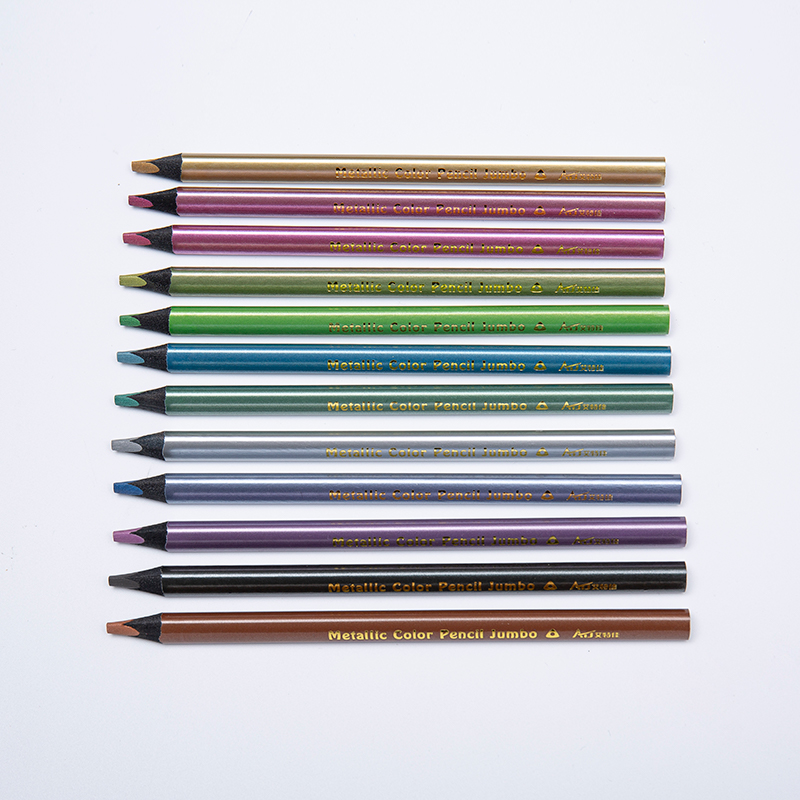 Jumbo Triangular Metallic Colored Pencils
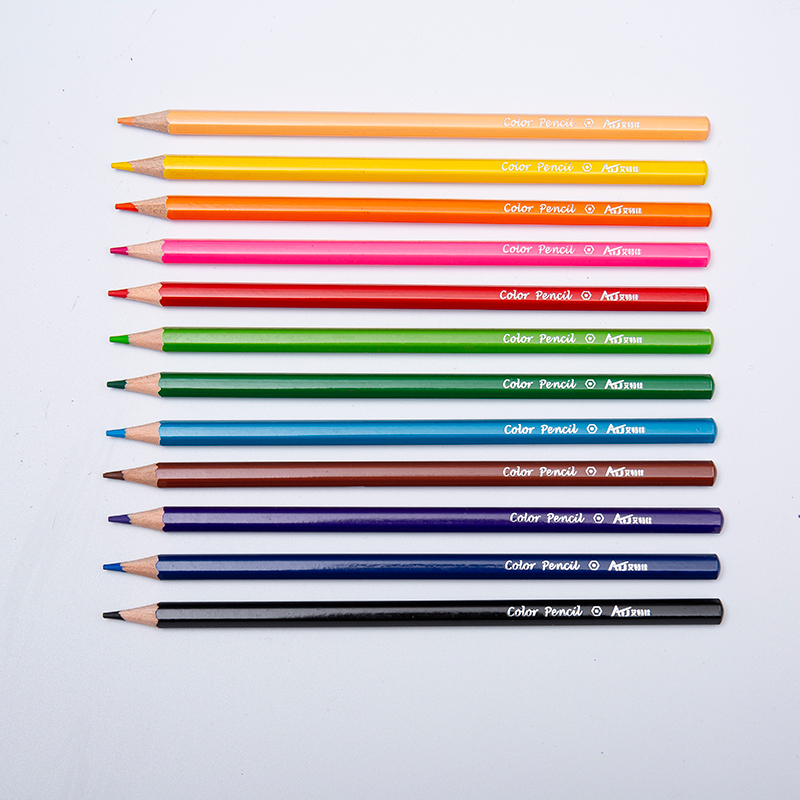 Students Hexagonal Wooden Watercolor Pencils
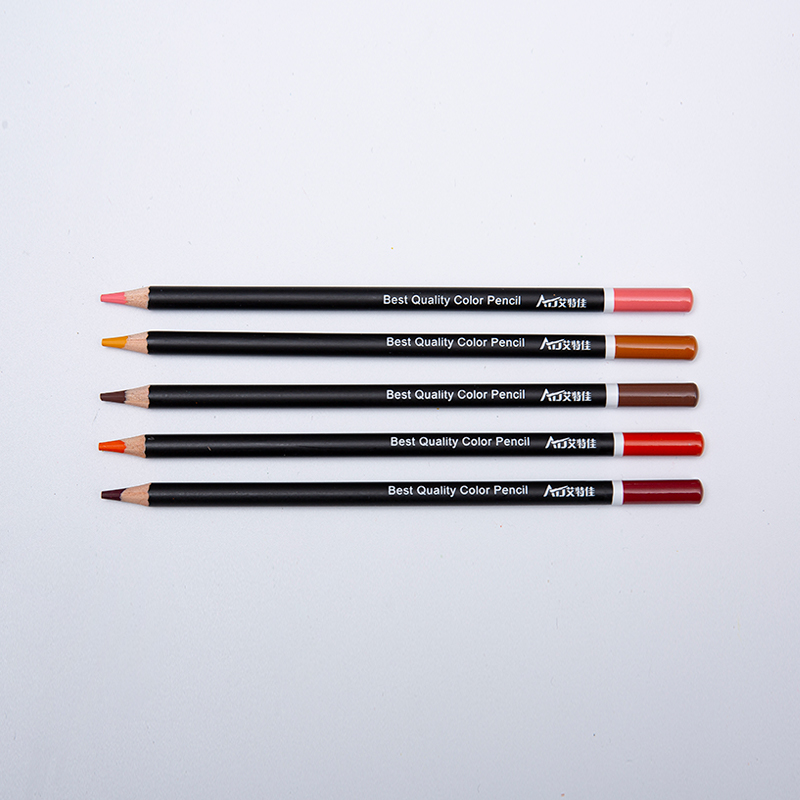 Eco-friendly Colored Pencils With Dipping End
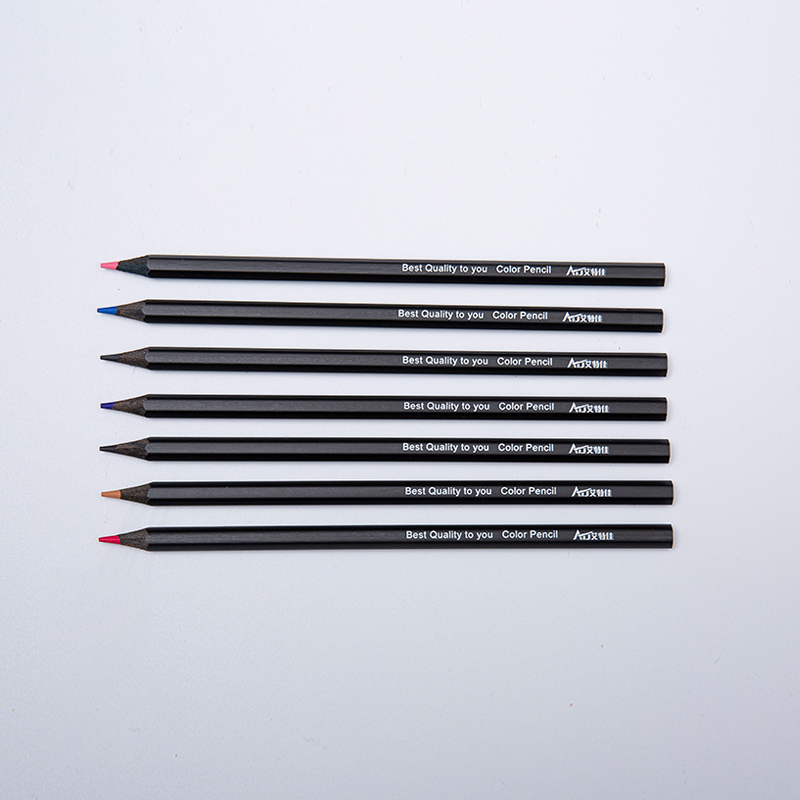 Professional Black Wood Hexagon Color Pencils
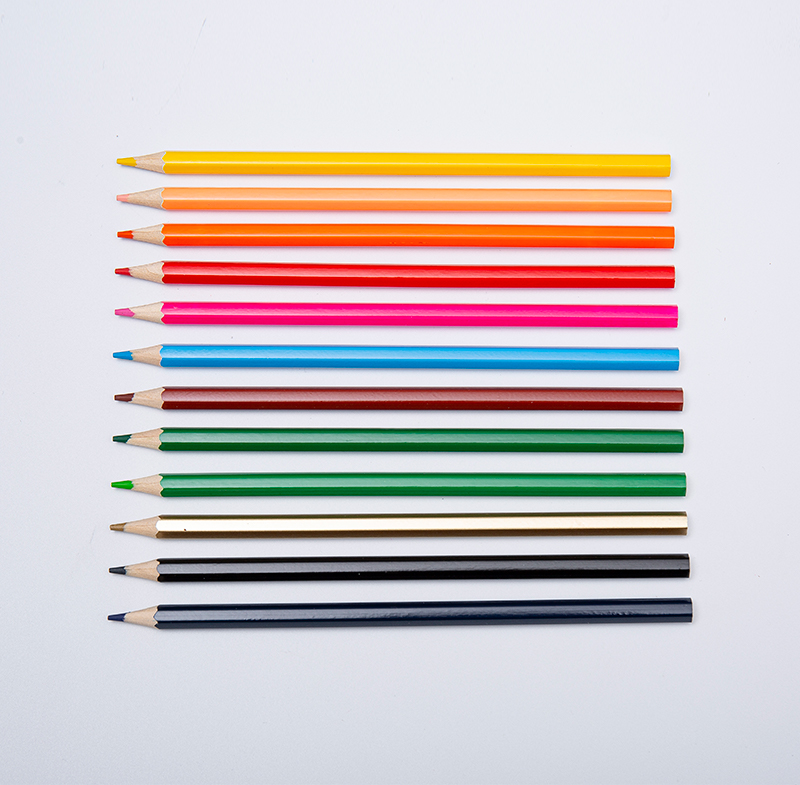 Hexagonal Drawing Colour Pencils for Children Adult
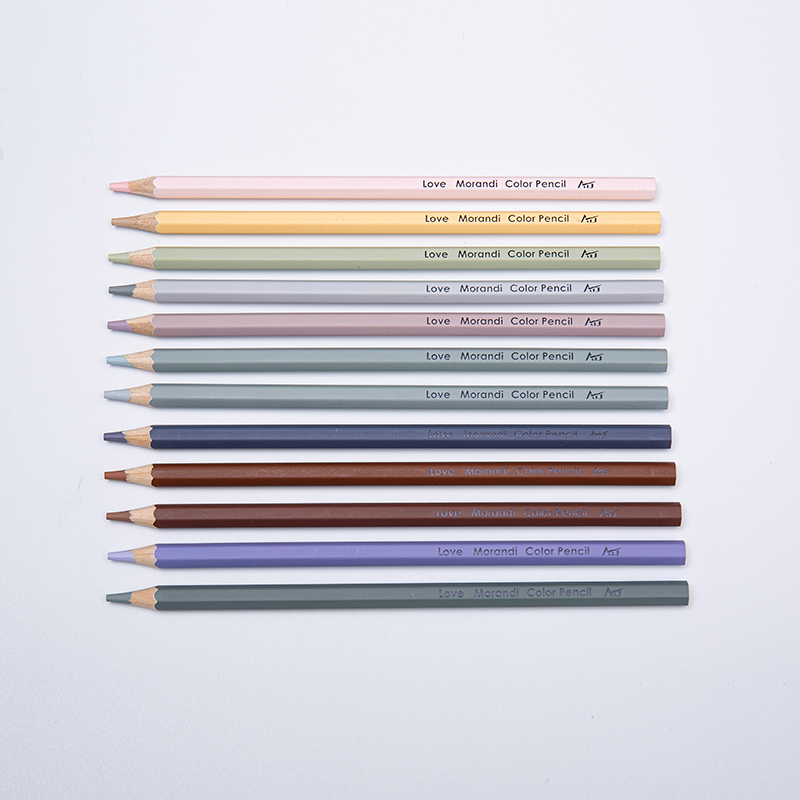 White Linden Morandi Colored Pencils
© Aitejia Stationery
No 32. Jinshan Avenus, Pingdu Industrial Zone, Qingyuan Country, Lishui, Zhejiang, China
+(86) 19857810299 / +(86) 578-6057586
Copyright ©Zhejiang Aitejia Stationery Co., Ltd. All Rights Reaerved.
Colored Wood Pencils Slats Factory

 Previous