

 English
  Français
 عربى
عربى Español
 中文简体
中文简体News
Home / Blogs / Industry News / Double Ended Wood Color Pencils Solve a Carrying Problem but Create a Structural One
Coloring books. Sketch pads. Classroom art projects. Professional illustration. Anywhere color hits paper, someone is holding a pencil. A double ended wood color pencil packs two hues into a single barrel, one at each end. It cuts the number of pencils a student carries in half. It keeps a designer's desk from disappearing under a sprawl of singles. It sharpens the same way. It feels the same in the hand. Here is what art supply buyers, educational distributors, and stationery brands should know.
Two colors meet in the middle of a cedar or basswood barrel. Everything that happens before that point decides whether the pencil draws smoothly or crumbles under pressure.
A double ended wood color pencil starts with slats of kiln-dried wood. Grooves are milled into the slats. A pigmented, wax-based or oil-based lead is laid into each groove from opposite ends. The two leads meet in the center of the barrel. A second slat is glued on top, sandwiching the leads. The bonded slats are shaped into hexagonal or round barrels, painted, and printed. The leads cannot overlap. They cannot leave a gap. A factory that controls that center meeting point controls the pencil's structural integrity.
A cheap lead skips on pigment loading and fills the core with clay and wax. The color lays down pale and scratchy. A double ended wood color pencil with high pigment concentration and a balanced binder system delivers smooth laydown and rich color saturation. Oil-based leads cost more than wax-based but resist breakage better, especially in a double-ended design where each half is shorter than a standard pencil.
The glue line between the two wood slats must hold across the full span, including the center section where the two leads meet. A weak bond there creates a snap point. A double ended wood color pencil that breaks in the middle during sharpening is a return waiting to happen. Factories with proper glue curing time and consistent clamp pressure produce barrels that stay intact.
An off-center lead sharpens unevenly. The wood peels away on one side while the lead is still buried on the other. A double ended wood color pencil with precisely centered leads at both ends sharpens cleanly from either direction. This requires tight tooling tolerances during groove milling and lead insertion.
Here is what separates a usable pencil from a frustrating one:
Teachers and artists share the same complaint about single-color pencils. There are never enough, and they are always scattered across the table.
A double ended wood color pencil puts twenty-four colors into a twelve-pencil set. A student grabs one pencil for sky blue and grass green instead of two. The pencil case weighs less. The desk is less cluttered. For classrooms on a budget, a double-ended set stretches the per-pencil cost across twice as many colors. The economics work in favor of the double-ended format whenever quantity and variety compete for a limited budget.
Artists use double-ended pencils for a different reason. A blender on one end and a color on the other. A warm gray and a cool gray. Two shades of the same hue for quick gradient work. The pairings can be intentional rather than random, which adds a curation element that single-color pencils cannot offer.
Complaints about double ended wood color pencils follow a pattern. The center breaks. The colors are not what the barrel paint promised. One end sharpens fine and the other shreds.
Color matching between the barrel coating and the actual lead is a persistent problem. A dark green barrel with a pale, undersaturated green lead disappoints the user on the first stroke. A double ended wood color pencil factory that matches dip paint or lacquer color to lead output maintains trust with repeat buyers. The barrel should signal what the lead will deliver.
Breakage at the center point is the most common failure mode. It usually traces back to insufficient glue curing or a lead gap that creates a void in the middle of the barrel. A double ended wood color pencil that snaps during the first sharpening at either end generates an immediate return. School buyers and art stores have zero tolerance for this defect.
The sample set looks great. Classroom use over a semester is the real test.
A capable double ended wood color pencil factory provides lead formulation details, centering tolerance data, and breakage test results. It has experience with the specific color pairings the buyer requests. It ships pencils that sharpen evenly from both ends. Here is what to investigate.
Ask for the pigment concentration ratio and the binder system used. Request safety certificates for heavy metals and phthalates, especially for products sold into school markets. A double ended wood color pencil that meets EN71 or ASTM D4236 standards clears the regulatory hurdle before the product reaches the shelf.
Request a batch sharpening test report. A double ended wood color pencil should survive electric and manual sharpeners from both ends without snapping. A factory that conducts this test on every production batch catches centering and bonding issues before the pencils leave the floor.
A double ended wood color pencil lives in pencil cases, art trays, and desk drawers. It gets sharpened from both directions. It carries twice the color in the same space a single-color pencil occupies. Choose a factory that centers leads precisely, bonds the barrel through the middle, and loads enough pigment into the core. Your customers will pick it up for one color and stay for the other. That is the point of a double ended wood color pencil.
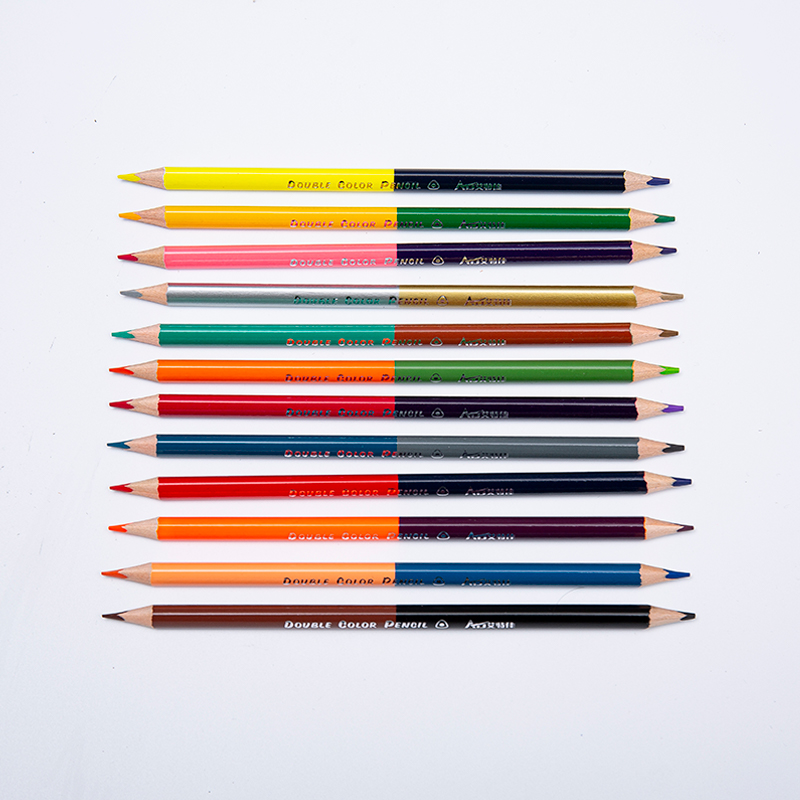
If you have any questions, please fill out the contact form at the bottom of the page and contact us.
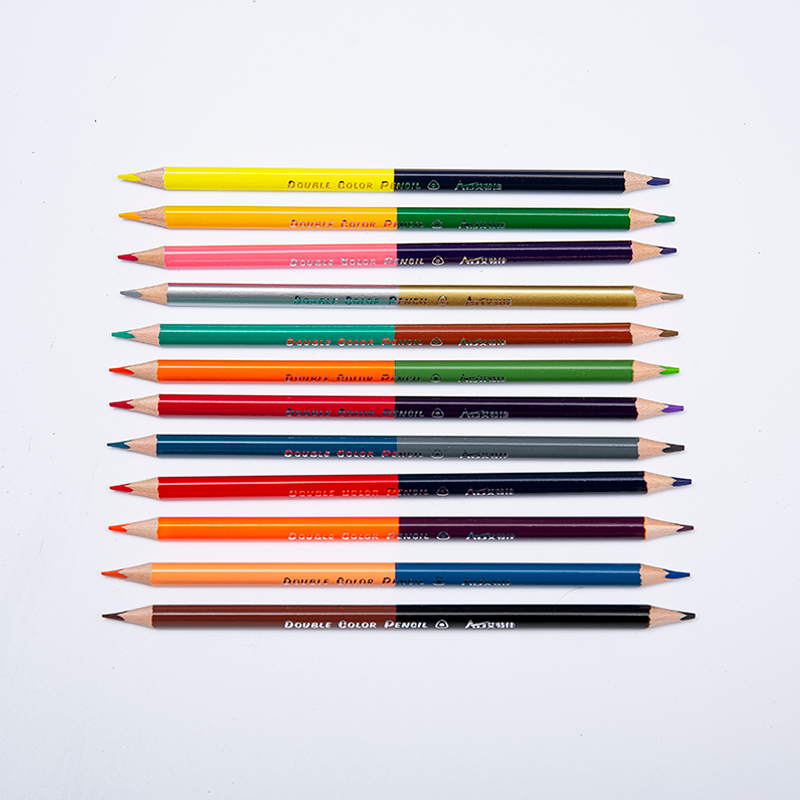 24 Colors Kids Double Ended Wood Color Pencils
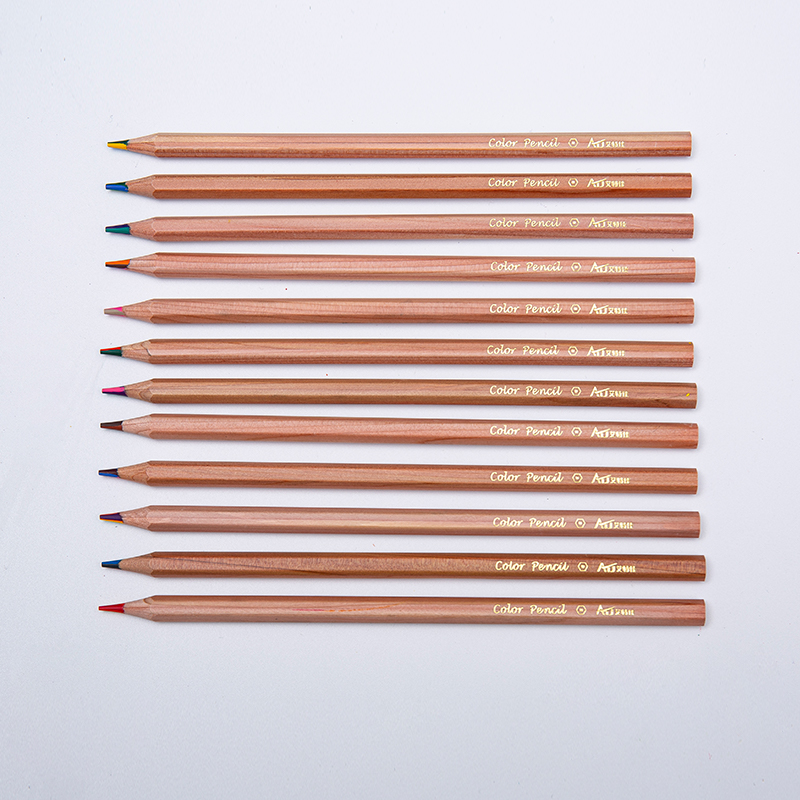 Cedar Wooden Mixed Color Pencils
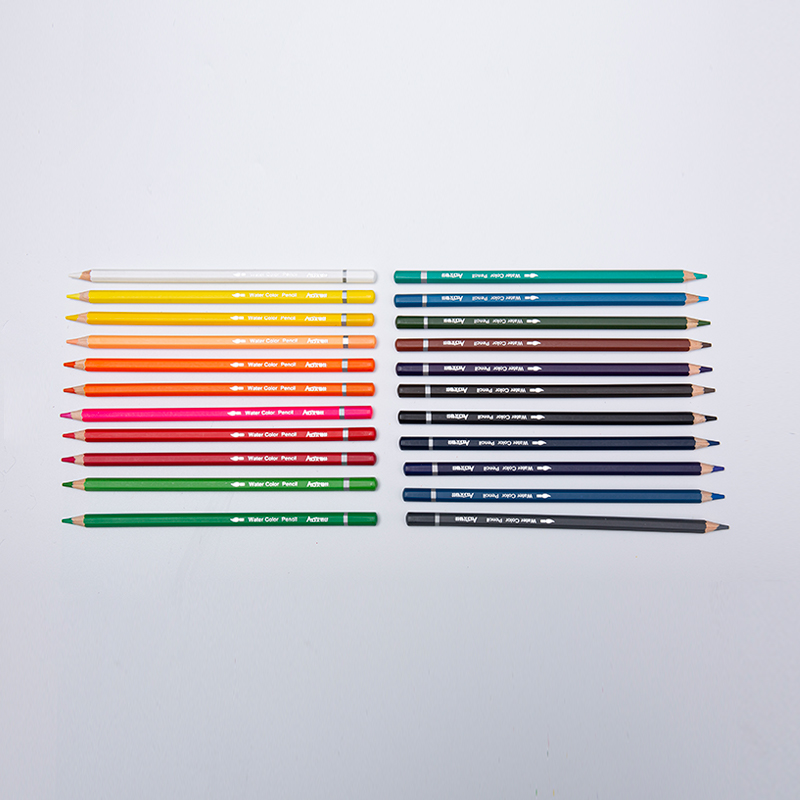 Hexagonal Watercolour Pencils for Children Drawing
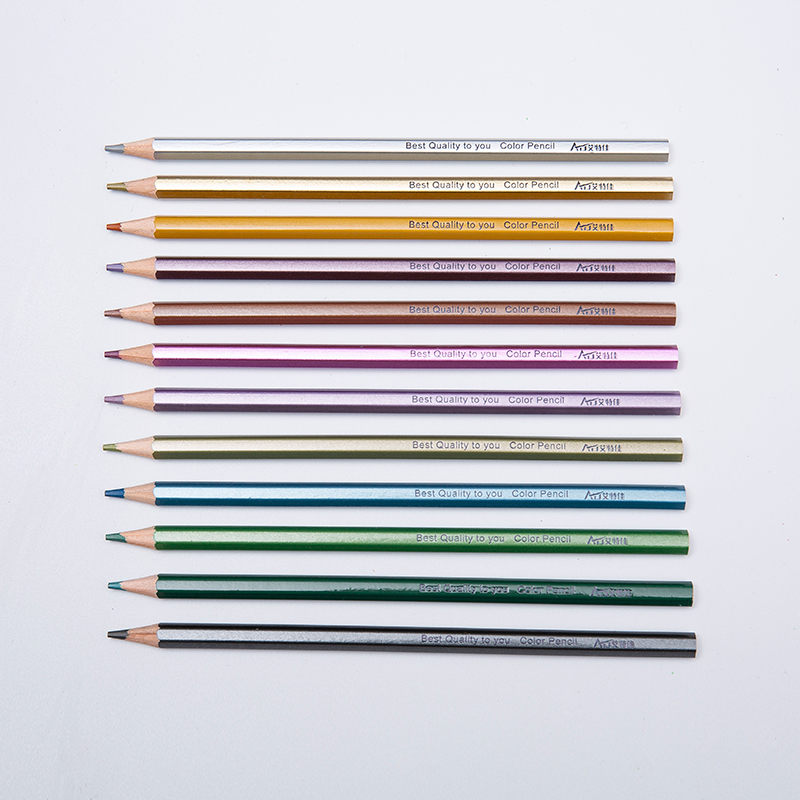 Metallic Colouring Pencils for Drawing
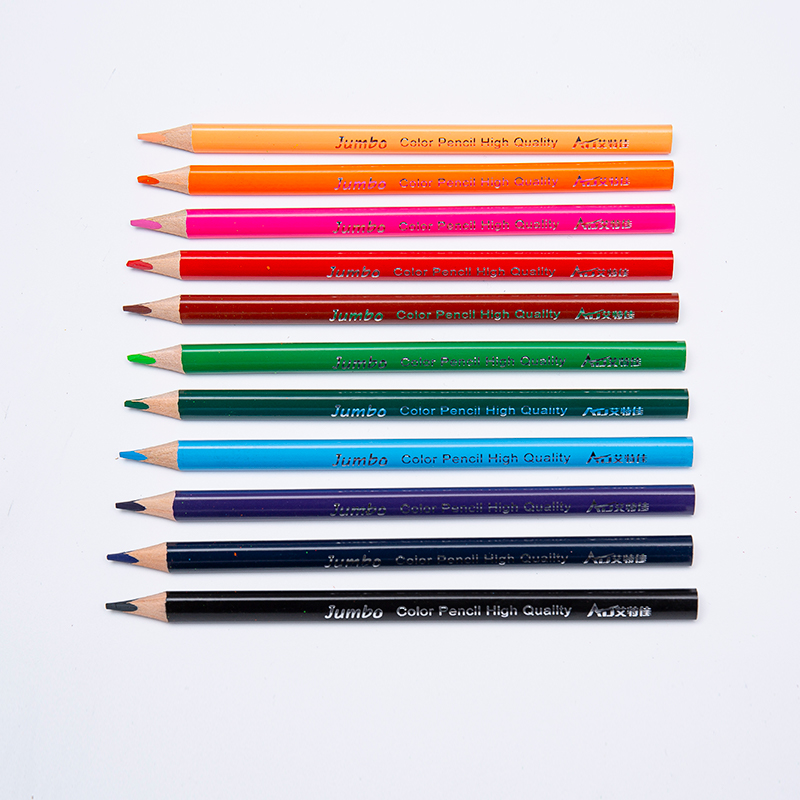 Natural Wood Jumbo Triangular Color Pencils
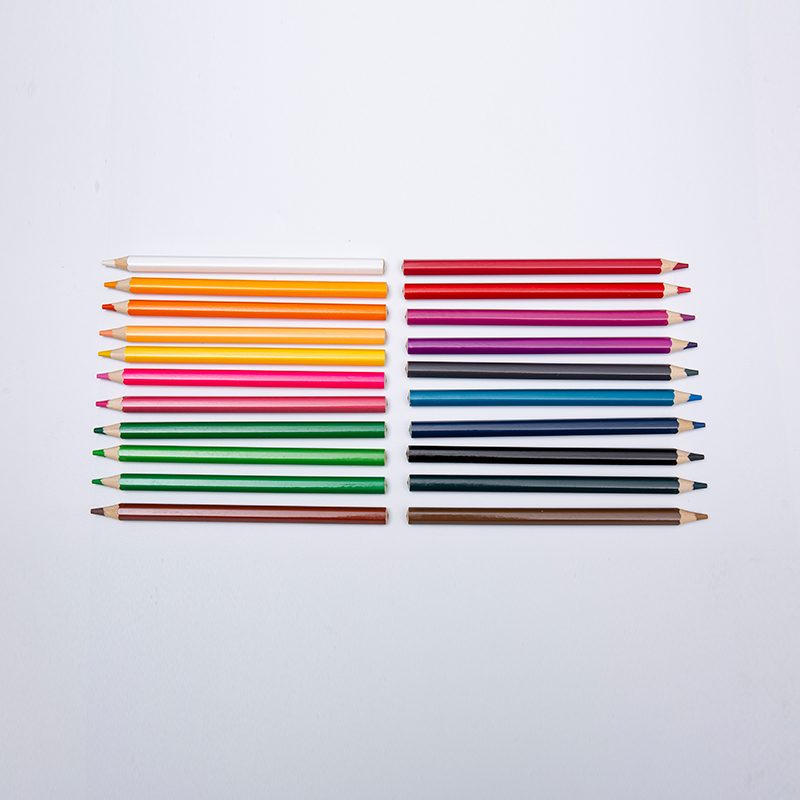 Hexagonal Jumbo Color Pencils
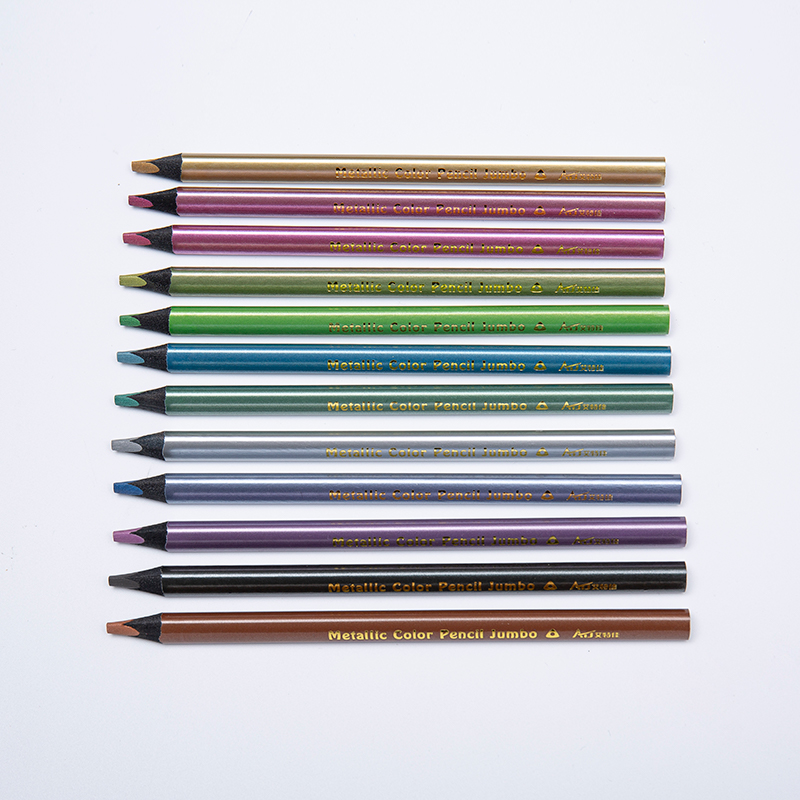 Jumbo Triangular Metallic Colored Pencils
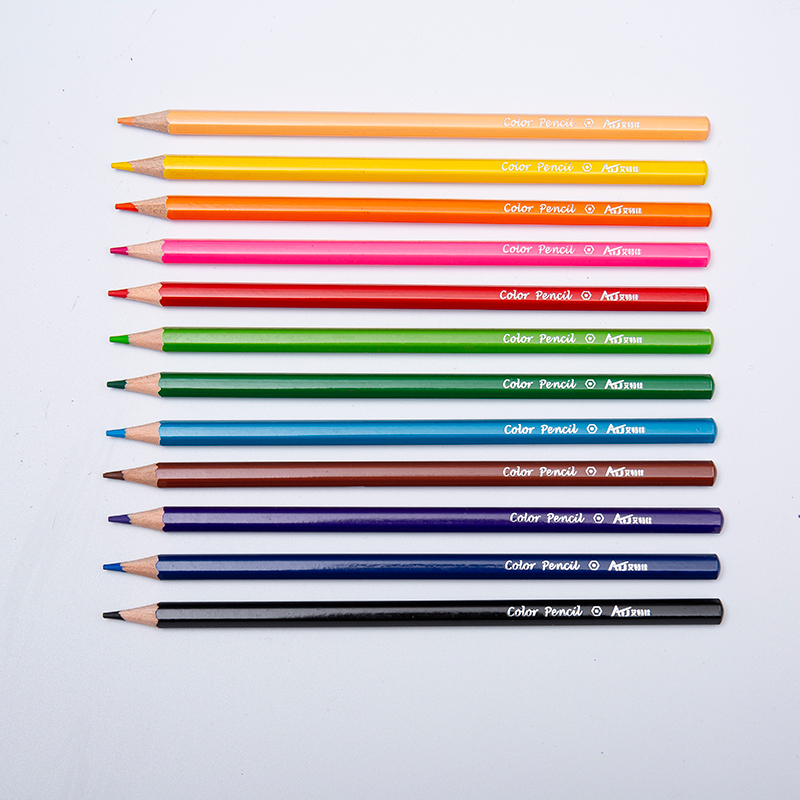 Students Hexagonal Wooden Watercolor Pencils
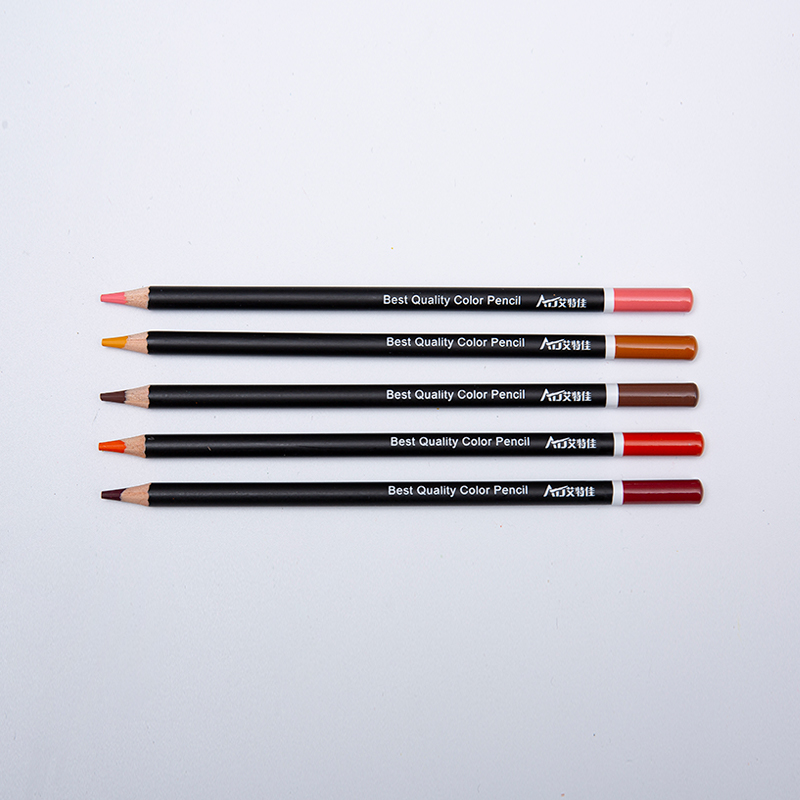 Eco-friendly Colored Pencils With Dipping End
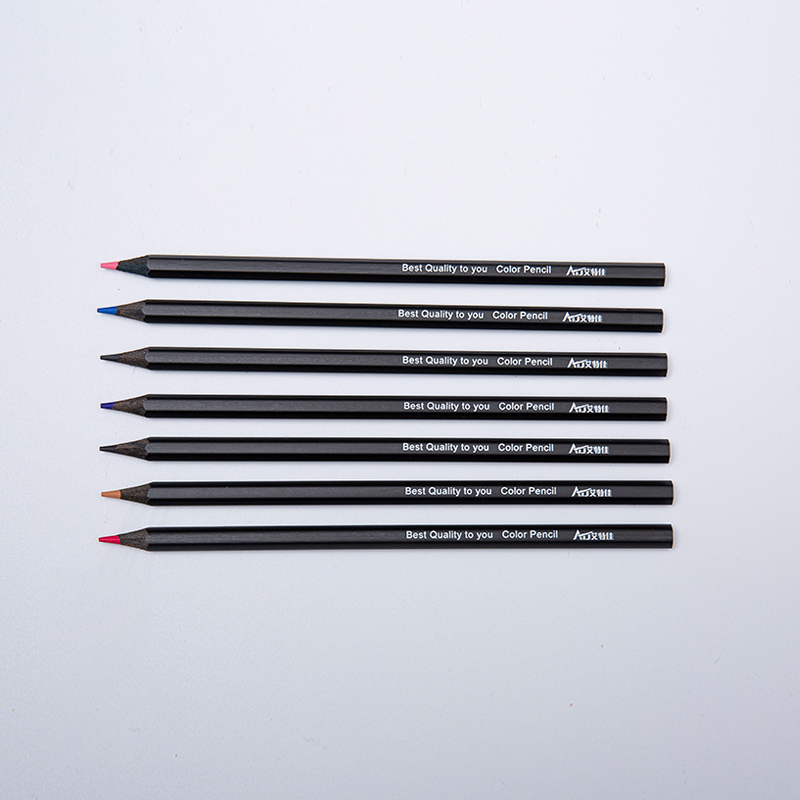 Professional Black Wood Hexagon Color Pencils
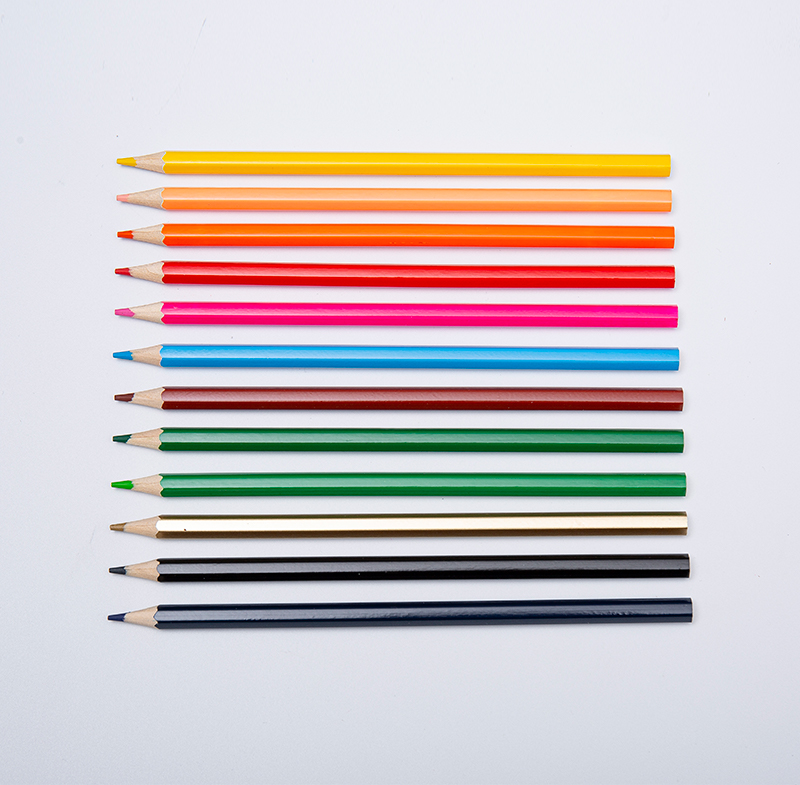 Hexagonal Drawing Colour Pencils for Children Adult
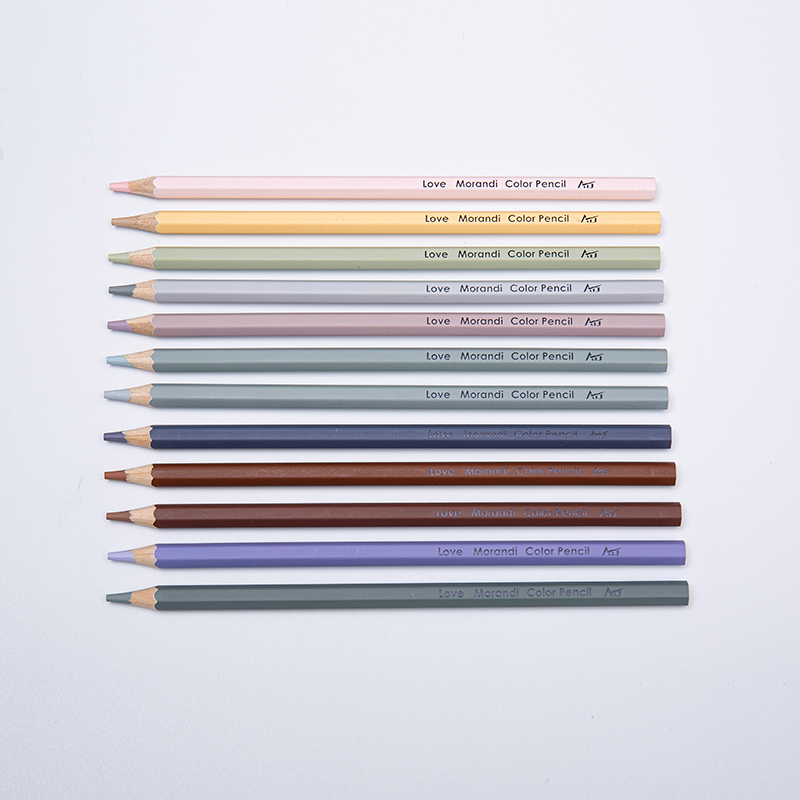 White Linden Morandi Colored Pencils
© Aitejia Stationery
No 32. Jinshan Avenus, Pingdu Industrial Zone, Qingyuan Country, Lishui, Zhejiang, China
+(86) 19857810299 / +(86) 578-6057586
Copyright ©Zhejiang Aitejia Stationery Co., Ltd. All Rights Reaerved.
Colored Wood Pencils Slats Factory

 Previous