

 English
  Français
 عربى
عربى Español
 中文简体
中文简体News
Home / Blogs / Industry News / Wood Pencils Factory Turns Cedar and Graphite Into a Daily Tool Most People Never Examine
A wood pencils factory takes slats, graphite cores, lacquer, and ferrules and assembles them into something so familiar that few users ever stop to consider how it came together. The pencil sits in a drawer, a bag, a desk organizer, unremarkable until it breaks. Then the questions surface. Why did the point snap the moment it touched the sharpener? Why does the lead keep falling out in pieces instead of wearing down to a fine cone? Why does the wood splinter instead of peeling away in a clean curl? The answers trace back to the factory floor, to the choices made about glue, groove alignment, drying time, and the centering of a graphite core thinner than a matchstick.
Graphite does not start as graphite. It begins as a mixture of powdered carbon and clay, extruded through dies, cut to length, and fired in kilns until hard. The resulting cores arrive at a wood pencils factory sorted by diameter and graded for smoothness and strength. A core that varies in diameter along its length creates a pencil that writes inconsistently. Thicker sections bite into the paper. Thinner sections skate.
The core must sit dead center inside the pencil. Eccentricity—the distance between the core center and the geometric center of the pencil barrel—is the single most important tolerance in the entire production process. An eccentric core exposes more wood on one side than the other. The user sharpens the pencil and gets a point with a long wooden shoulder on one side and a sliver of exposed graphite on the other. The tip breaks under small pressure because the wood support is uneven. A wood pencils factory measures eccentricity continuously during production. Cores that run true produce pencils that sharpen symmetrically. Cores that drift toward one wall produce pencils that fail the first time someone bears down to write a dark line.
Two grooved slats of cedar form the pencil body. The bottom slat receives the graphite cores into its grooves. The top slat mirrors the grooves and sits on top. Adhesive applied between the slats bonds the assembly into a single block. The glue must do two things: hold the slats together permanently and hold the graphite core in its channel without any gap that allows movement.
A wood pencils factory that rushes the glue curing stage produces pencils that look finished but hide a weak bond. Moisture trapped between the slats continues to evaporate after the pencil is painted and packaged. The wood shrinks microscopically. The glue line shears. The pencil may survive weeks of use before the crack propagates to the surface and the pencil splits along its length. The glue must also be compatible with the oils in cedar. Some adhesives react with wood resin and lose adhesion over time. A factory that tests glue-wood compatibility per batch of slats catches this before production. One that assumes the adhesive always works ships pencils that delaminate six months after leaving the line.
After the glue cures, the slat-and-core sandwich enters a shaping machine that cuts the familiar hexagonal or round profile. The cutting heads must be sharp and precisely aligned. A dull cutter tears the wood fibers instead of shearing them, leaving a rough surface that absorbs lacquer unevenly. The shaped pencils move to sanding, where successive grits smooth the cedar to a surface ready for finishing.
Lacquer application runs in multiple passes—often four to seven coats—with sanding between each. The lacquer seals the wood against moisture and gives the pencil its color and gloss. A wood pencils factory that skimps on coats or applies them too thickly between passes produces pencils with a finish that chips at the first sharpening. The ferrule, that metal band holding the eraser, is crimped onto the pencil end. The crimp must be secure enough to survive the eraser being used vigorously without loosening. A loose ferrule spins around the pencil barrel and eventually falls off, taking the eraser with it. The eraser itself is a separate product, compounded from rubber and pumice, and its quality is outside the factory's control. But the ferrule attachment is not.
The final quality inspection in a wood pencils factory happens at the sharpener. A well-made pencil enters the sharpener and emerges with a smooth cone of wood tapering evenly to a centered point. The wood cuts like cedar should—clean, fragrant, with small pressure on the blade. A badly made pencil fights the sharpener. The wood tears instead of peeling. The point forms off-center and snaps under the first pressure of writing. The user blames the pencil brand or the sharpener. The fault belongs further upstream, at the moment the graphite drifted off center or the glue did not fully cure or the cedar slat carried a hidden knot.
A wood pencils factory that controls these variables does not make headlines. It makes pencils that sharpen without drama and write without snapping. The pencil becomes a tool the user does not think about, which is exactly the point. The failure is always louder than the success. A pencil that works perfectly for its entire short life simply disappears, worn to a stub and discarded, its quality proven by the absence of complaint.
If you have any questions, please fill out the contact form at the bottom of the page and contact us.
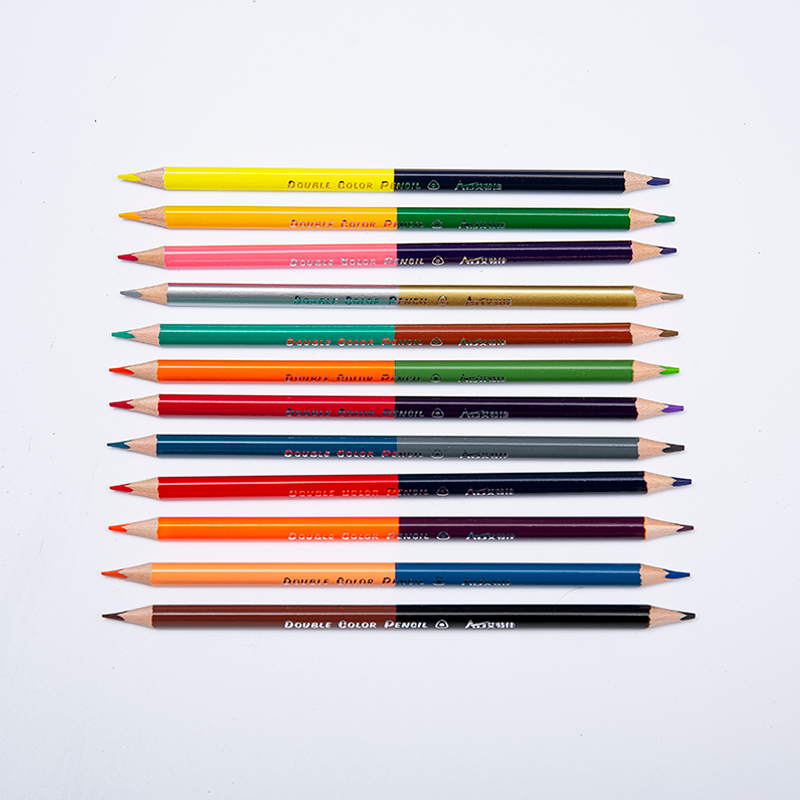 24 Colors Kids Double Ended Wood Color Pencils
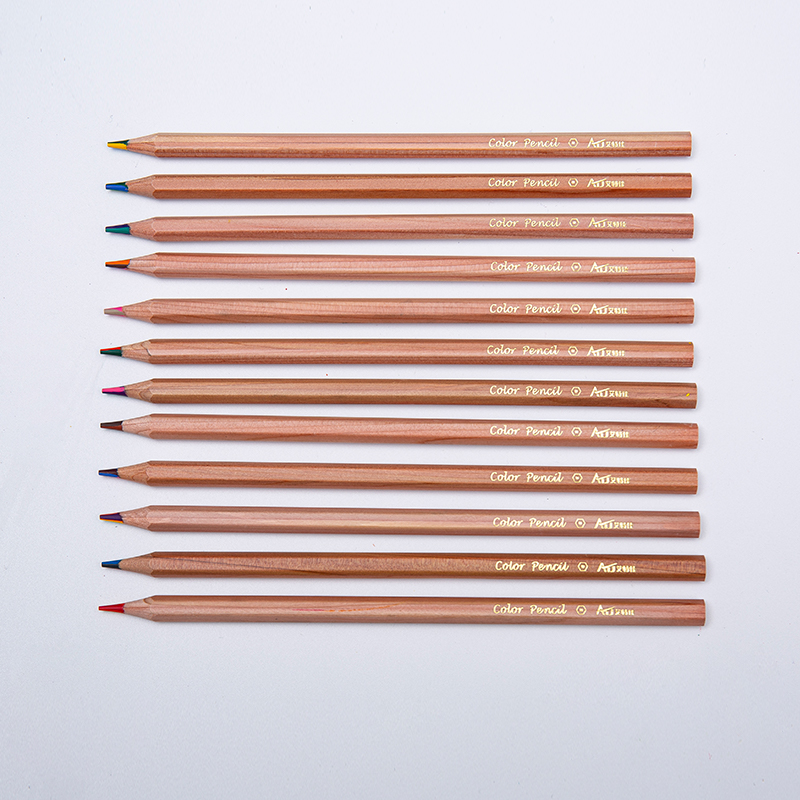 Cedar Wooden Mixed Color Pencils
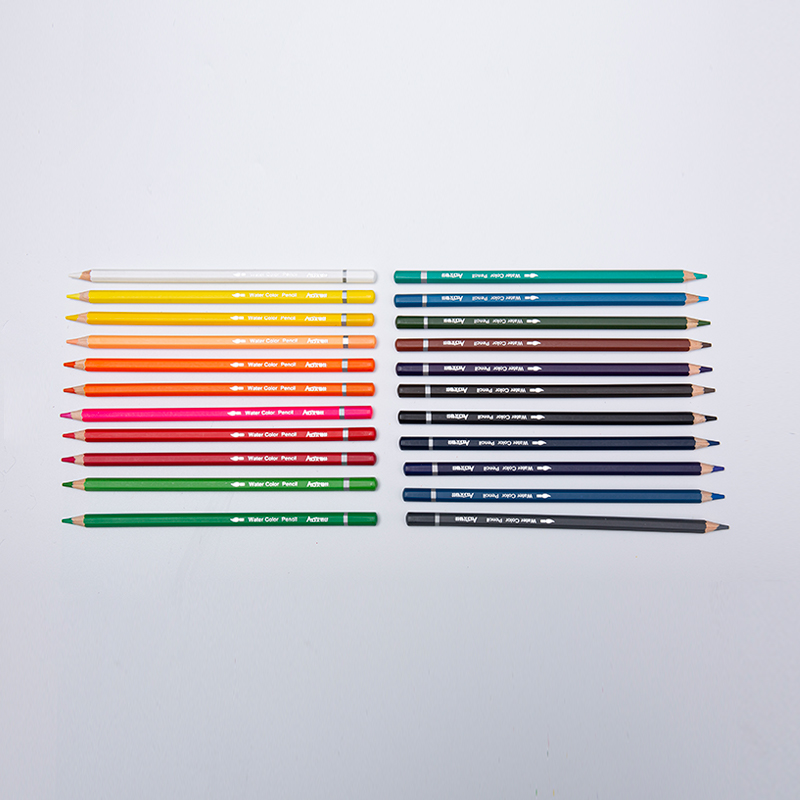 Hexagonal Watercolour Pencils for Children Drawing
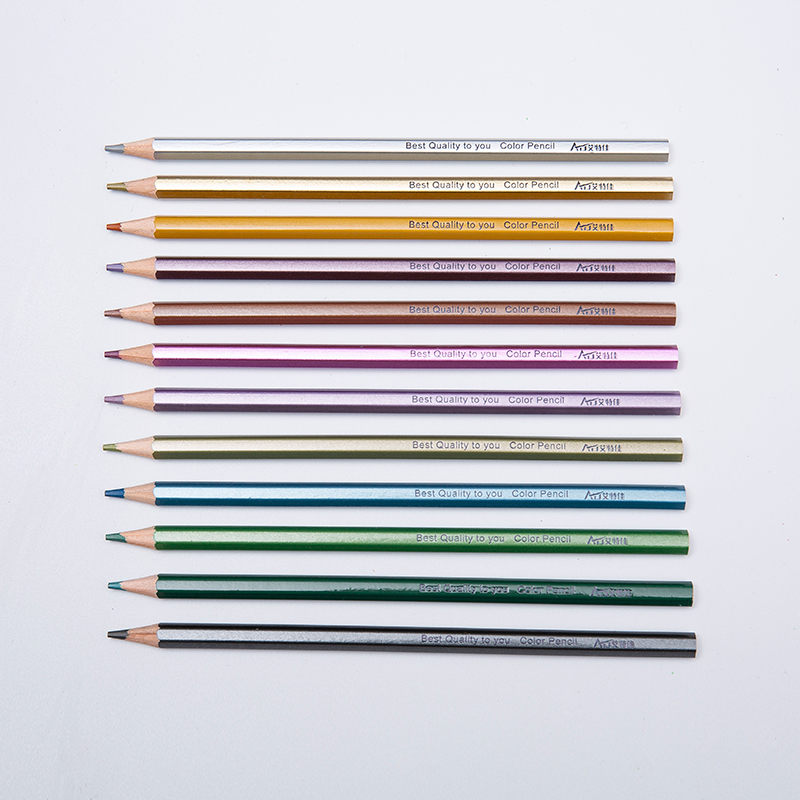 Metallic Colouring Pencils for Drawing
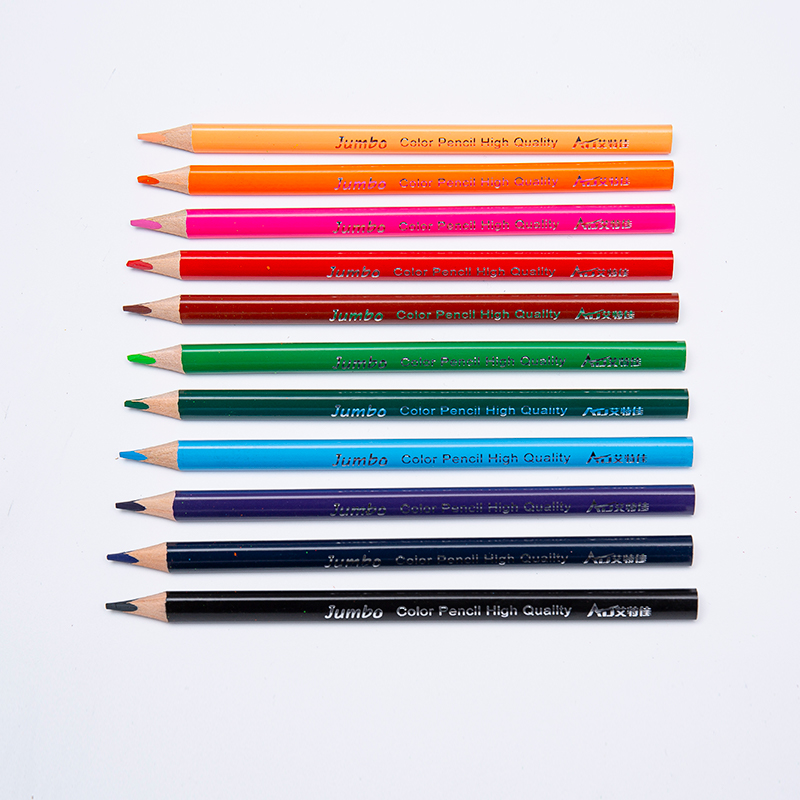 Natural Wood Jumbo Triangular Color Pencils
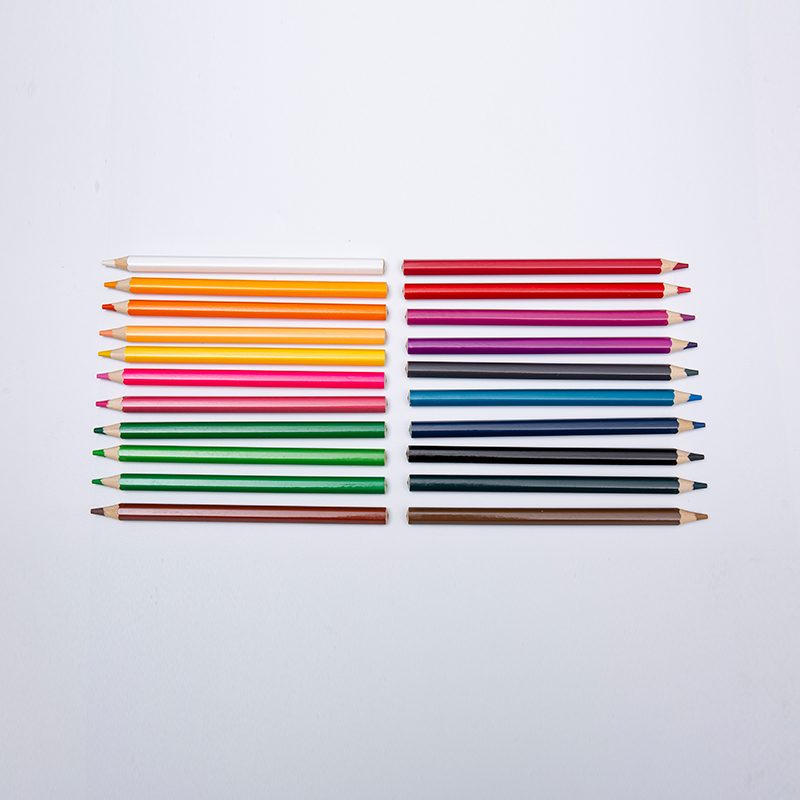 Hexagonal Jumbo Color Pencils
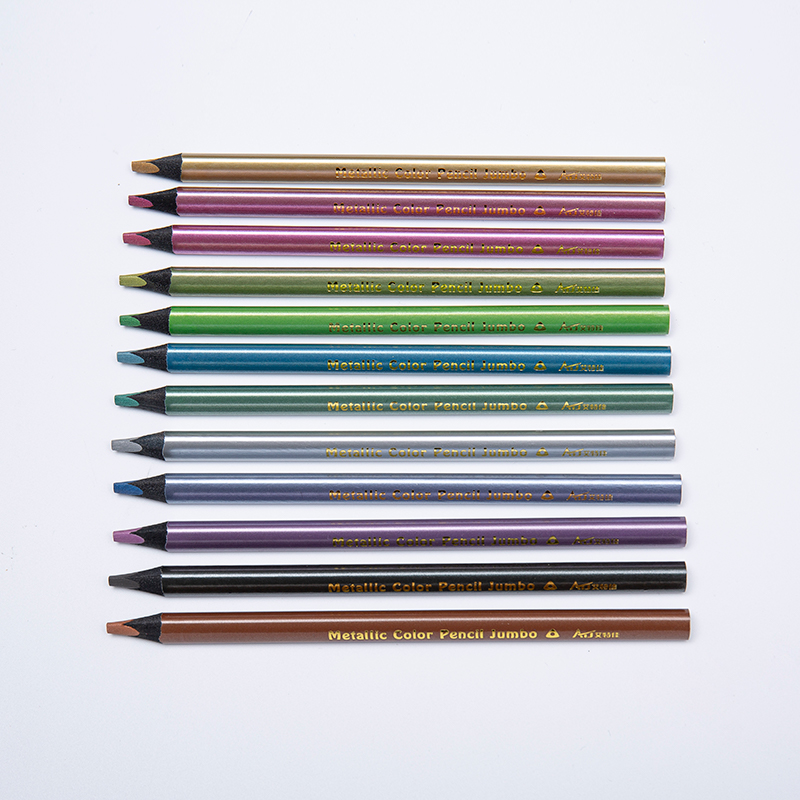 Jumbo Triangular Metallic Colored Pencils
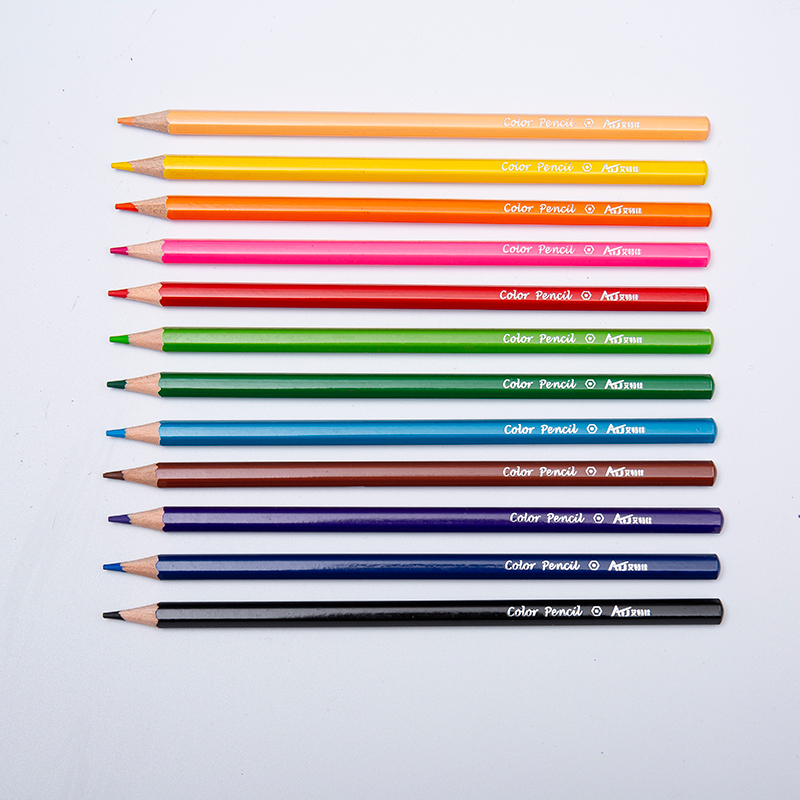 Students Hexagonal Wooden Watercolor Pencils
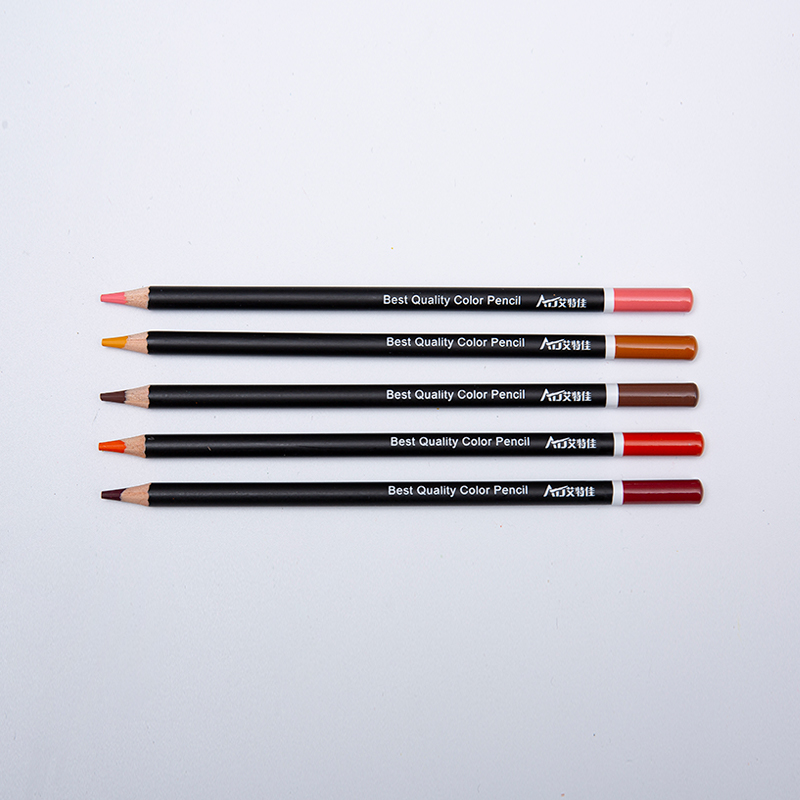 Eco-friendly Colored Pencils With Dipping End
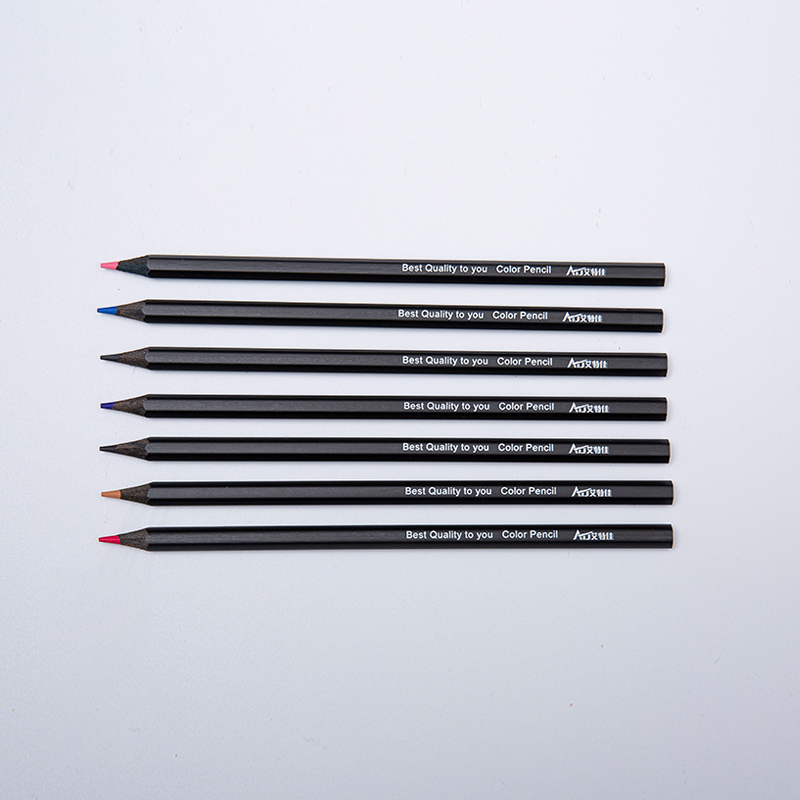 Professional Black Wood Hexagon Color Pencils
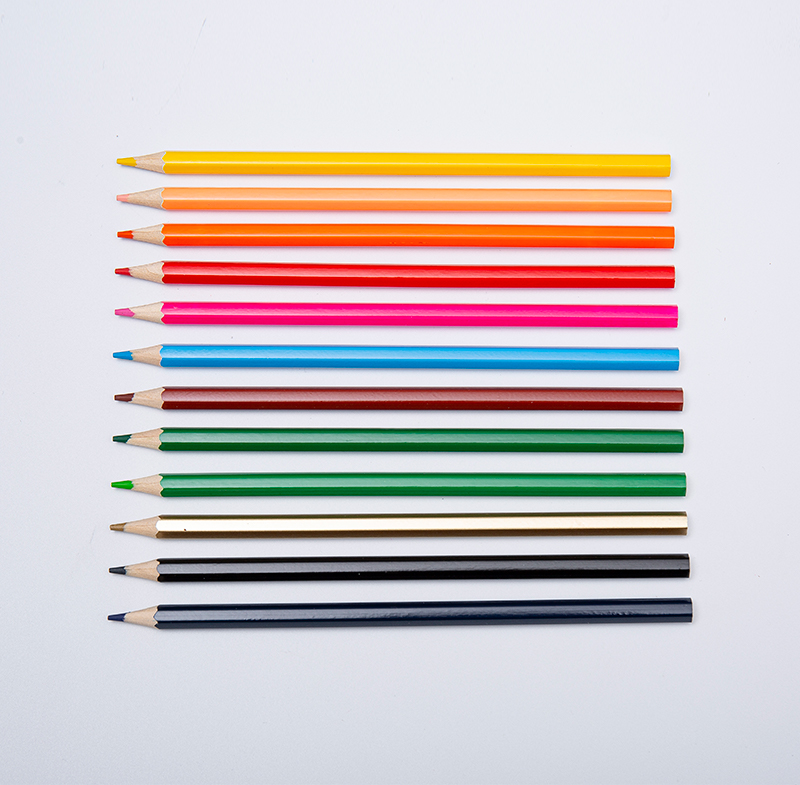 Hexagonal Drawing Colour Pencils for Children Adult
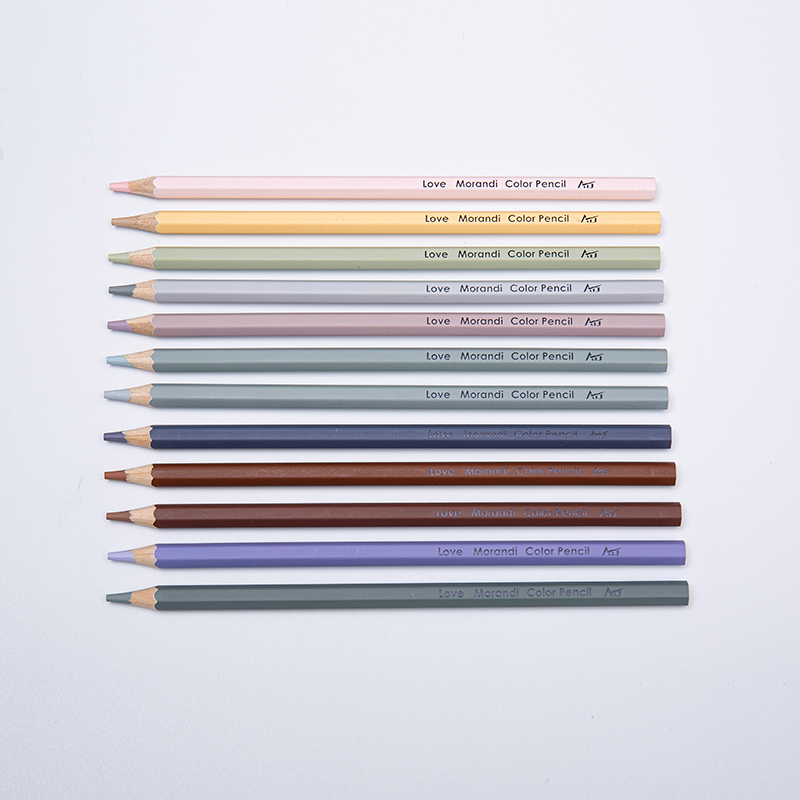 White Linden Morandi Colored Pencils
© Aitejia Stationery
No 32. Jinshan Avenus, Pingdu Industrial Zone, Qingyuan Country, Lishui, Zhejiang, China
+(86) 19857810299 / +(86) 578-6057586
Copyright ©Zhejiang Aitejia Stationery Co., Ltd. All Rights Reaerved.
Colored Wood Pencils Slats Factory

 Previous