

 English
  Français
 عربى
عربى Español
 中文简体
中文简体News
Home / Blogs / Industry News / Pencil Slats Factory Runs on Precision That Most Buyers Never Think to Ask About
A pencil slats factory does not make pencils. It makes the wooden panels that become pencils—thin grooved slats that sandwich a graphite core between two layers of cedar before being shaped, painted, and stamped. The slat looks simple. A flat strip of wood with parallel grooves cut along its length. But the tolerances are punishing. A groove too shallow leaves the graphite exposed to snapping. A groove too deep starves the pencil of wood and it splinters in the sharpener. A slat cut slightly out of square produces pencils that roll off the assembly line already warped. The work happens upstream of the finished product, invisible to the end user, but every pencil failure traces back to a decision made at the slat stage.
Most pencil slats begin as incense cedar, a species that grows primarily in California and Oregon. Cedar sharpens cleanly, resists splitting, and carries a scent that the industry has spent a century teaching consumers to associate with quality. A pencil slats factory sources cedar in the form of clear, knot-free blocks. Knots are not just cosmetic defects. A knot in a slat creates a hard spot that the grooving saw must cut through, dulling the blade unevenly. Later, when the finished pencil runs through a sharpener, the knot catches the blade and the pencil tip breaks before it forms. Blocks arrive kiln-dried to a moisture content between eight and twelve percent. Wetter wood warps after grooving. Drier wood becomes brittle and splinters during shaping.
The blocks pass through a series of saws that slice them into slat blanks, each one roughly five millimeters thick, the width of half a pencil. Thickness variation across a single slat must stay within a few tenths of a millimeter. A slat that tapers from one edge to the other produces pencils with uneven wall thickness. The graphite core sits off-center, and the pencil sharpens lopsided every time.
The grooving machine is the heart of a pencil slats factory. It cuts parallel channels into each slat, typically six to nine grooves depending on the pencil diameter. Each groove is a half-circle in cross-section, sized to cradle the graphite core with enough depth to hold it securely and enough wood remaining above to form the pencil's outer shell after the top slat is glued on. The tolerance on groove depth is tight. Half a millimeter too shallow and the graphite sits proud of the slat surface, crushed when the top and bottom slats are pressed together. Half a millimeter too deep and the finished pencil has a thin spot that snaps under normal writing pressure.
The grooving saws must maintain consistent profile across thousands of slats per shift. A worn saw produces grooves with rough walls, and rough walls grip the glue poorly. The glued bond between slat and graphite and between top and bottom slats is what keeps the pencil from delaminating in the sharpener. A pencil slats factory that pushes grooving saws past their service interval saves on tooling and ships slats that produce pencils with hidden glue failures waiting to surface.
After grooving, the slats contain residual moisture that must be removed before glue application. A pencil slats factory dries the grooved slats to a uniform moisture content, typically six to eight percent. If the slats go into the gluing stage too wet, the moisture gets trapped inside the finished pencil. The wood continues drying over weeks or months, shrinking around the graphite core. The pencil develops internal stresses. One day under normal sharpening pressure, it cracks along the glue line. If the slats are over-dried, they absorb moisture from the air after gluing, swell, and bow. Bowed pencils are obvious to the user. They wobble on a flat desk.
Grading happens after drying. Every slat passes inspection for grain orientation, knot presence, and dimensional accuracy. Vertical grain slats, where the growth rings run perpendicular to the wide face, sharpen most evenly. Flat grain slats are acceptable for economy pencils but produce a rougher sharpened surface. A pencil slats factory that sorts by grain and sells graded batches gives pencil makers control over their final product quality. Ungraded slats mix orientations, and the pencil maker cannot predict how any given unit will behave in the sharpener.
A pencil slats factory touches every stage of production without ever shipping a finished pencil. The slat determines whether the graphite centers correctly, whether the glue line holds, whether the pencil sharpens cleanly or fights the blade. A factory that controls thickness variation, groove depth, moisture content, and grain sorting produces slats that fade into the background because the pencils made from them work. A factory that drifts on any one of these parameters produces slats that become someone else's warranty claim. The difference is invisible in a box of pencils but obvious the first time one snaps in a sharpener or sharpens lopsided for its entire short life. The slat does not get the brand stamp. It just makes the brand stamp possible.
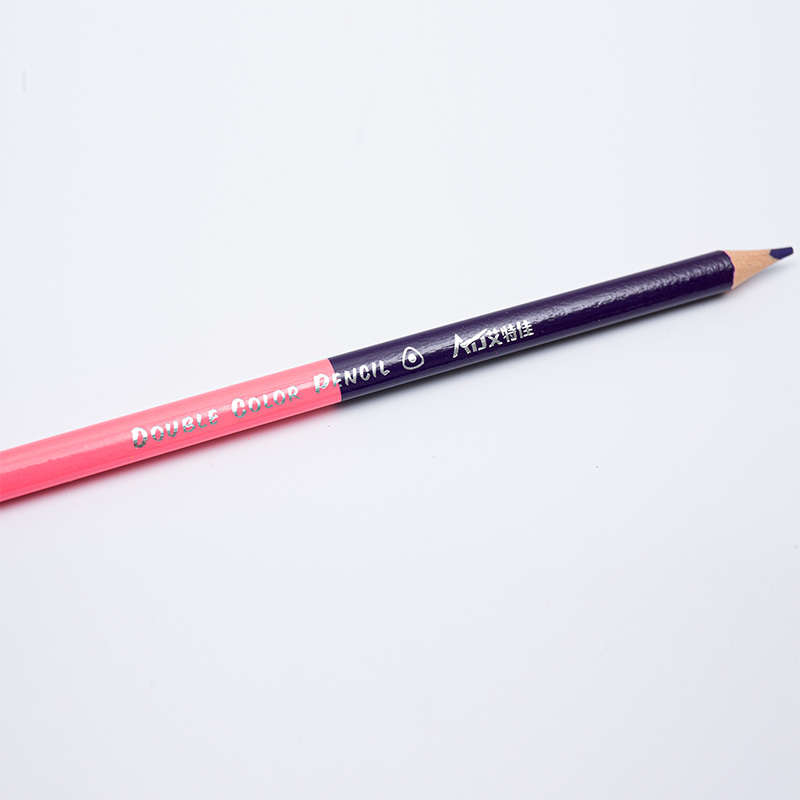
If you have any questions, please fill out the contact form at the bottom of the page and contact us.
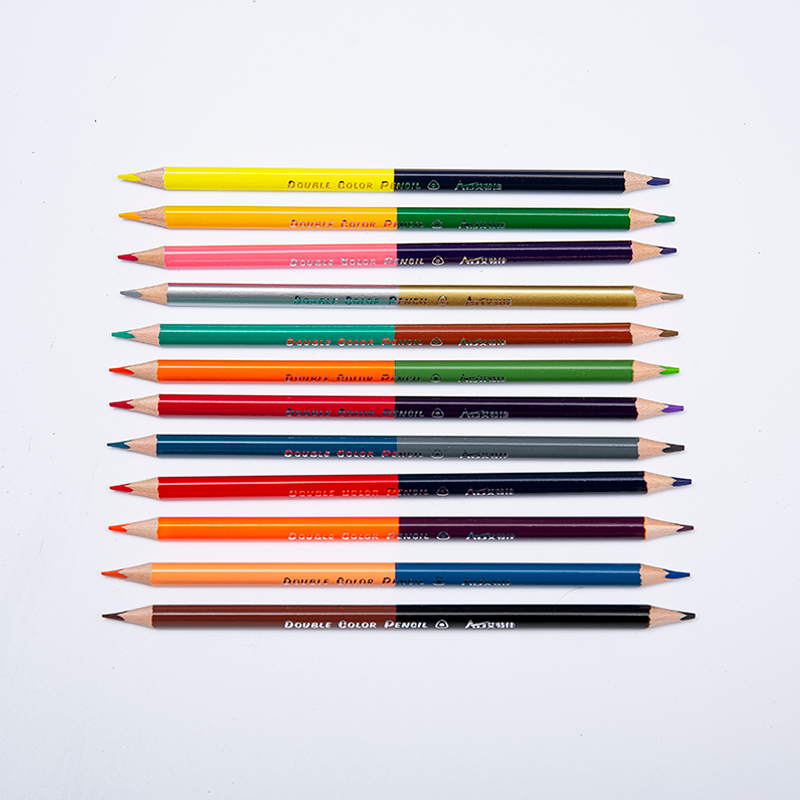 24 Colors Kids Double Ended Wood Color Pencils
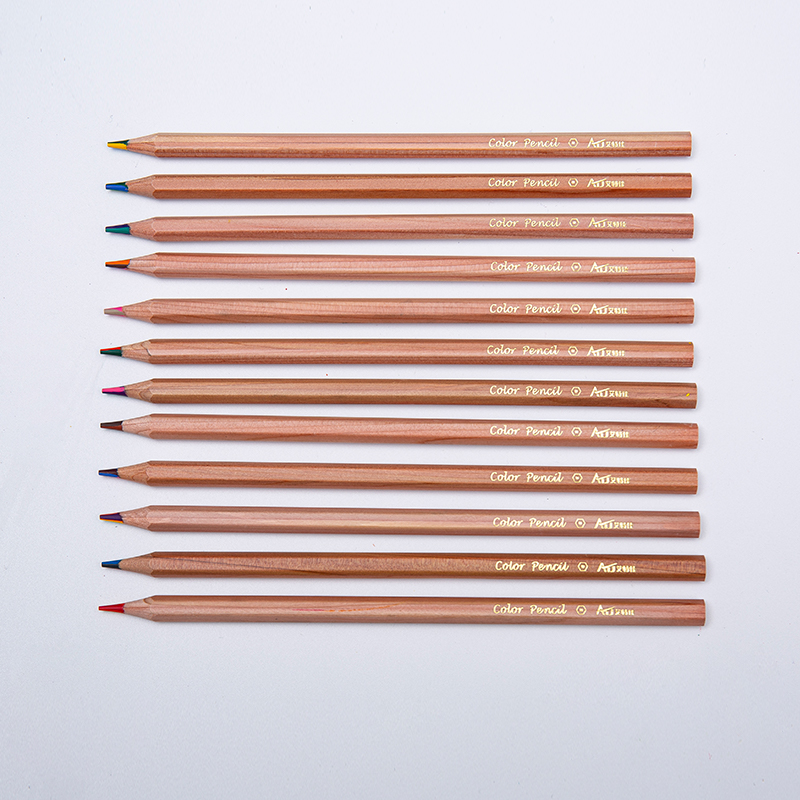 Cedar Wooden Mixed Color Pencils
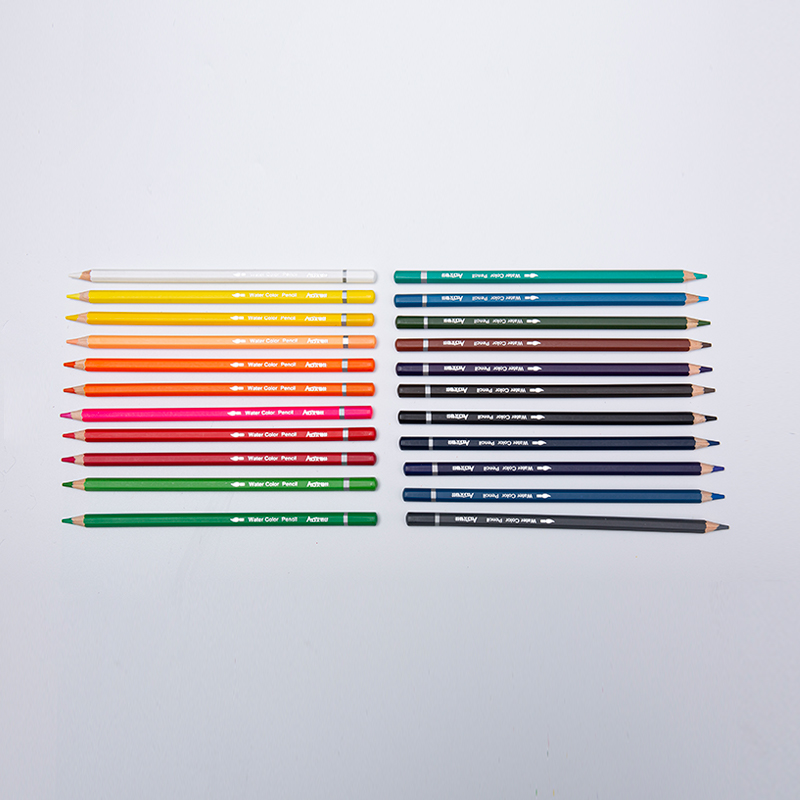 Hexagonal Watercolour Pencils for Children Drawing
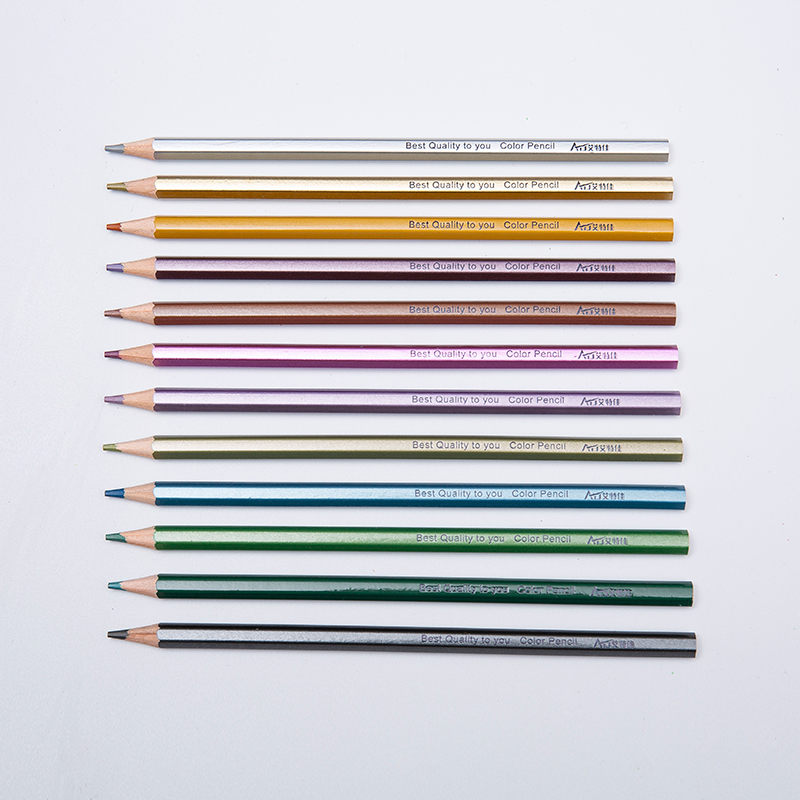 Metallic Colouring Pencils for Drawing
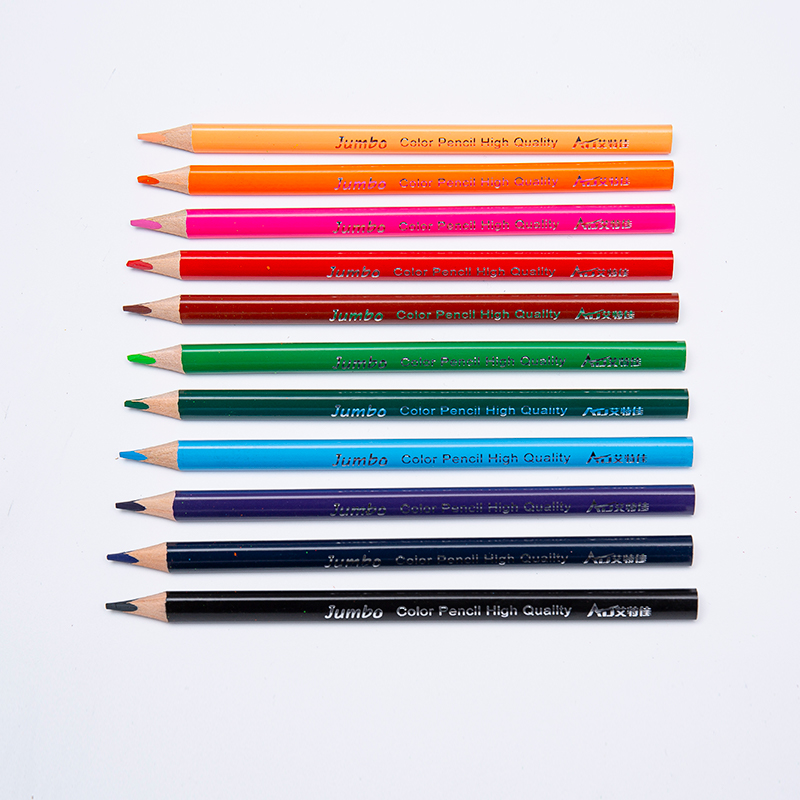 Natural Wood Jumbo Triangular Color Pencils
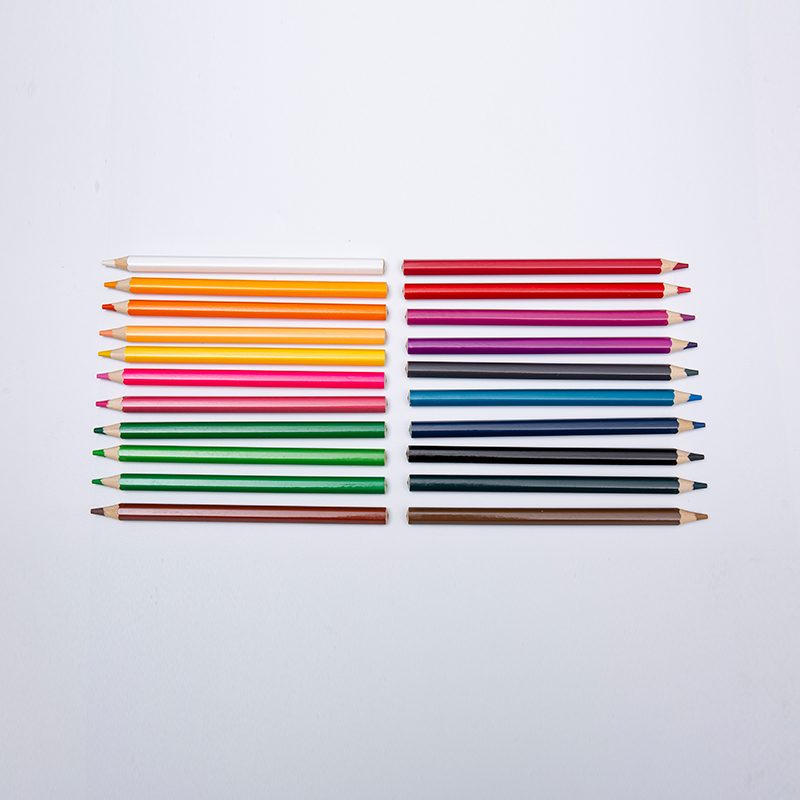 Hexagonal Jumbo Color Pencils
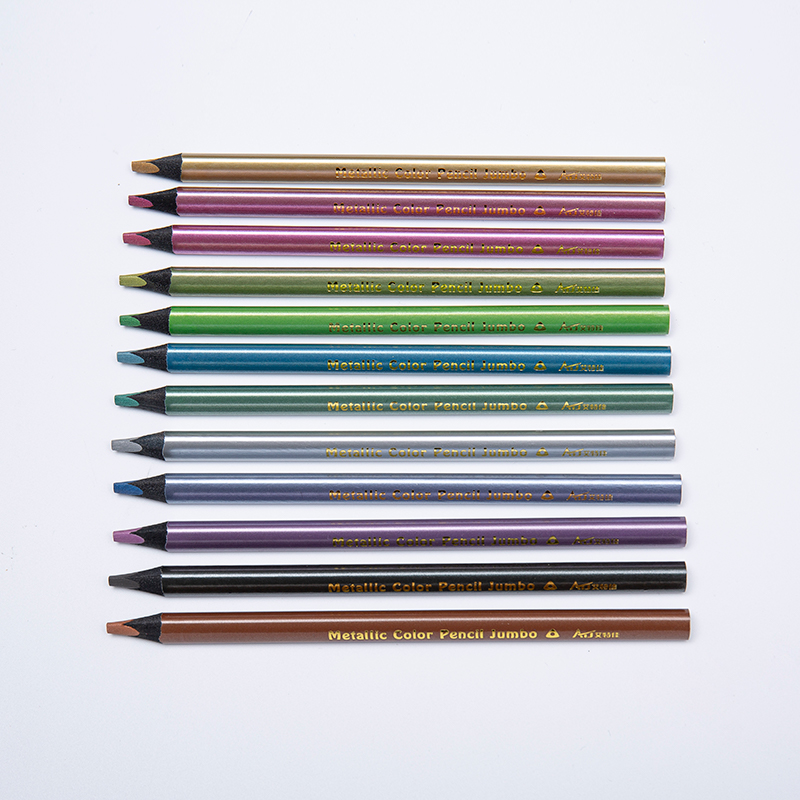 Jumbo Triangular Metallic Colored Pencils
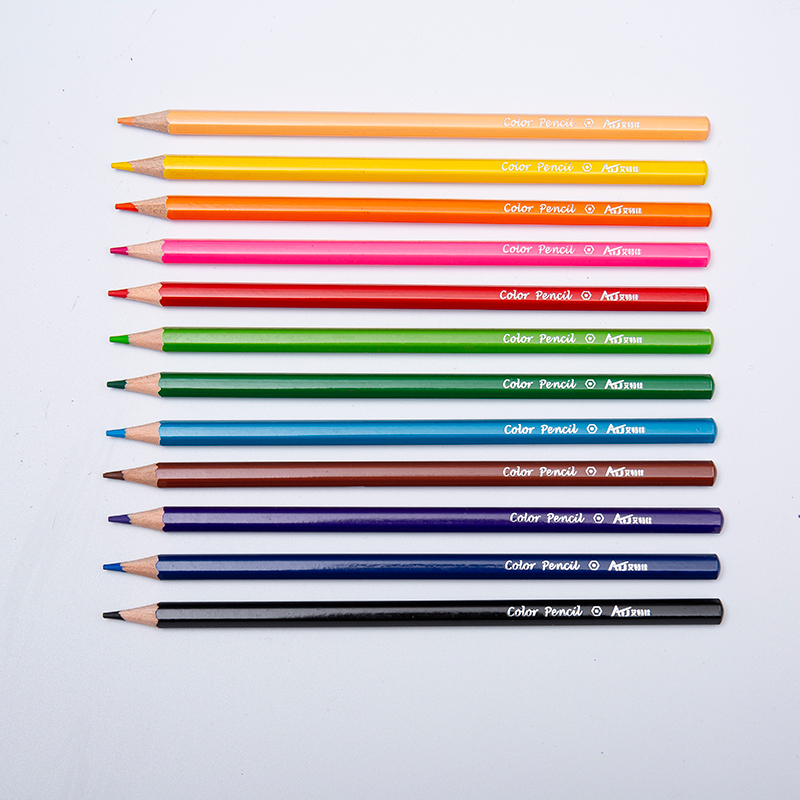 Students Hexagonal Wooden Watercolor Pencils
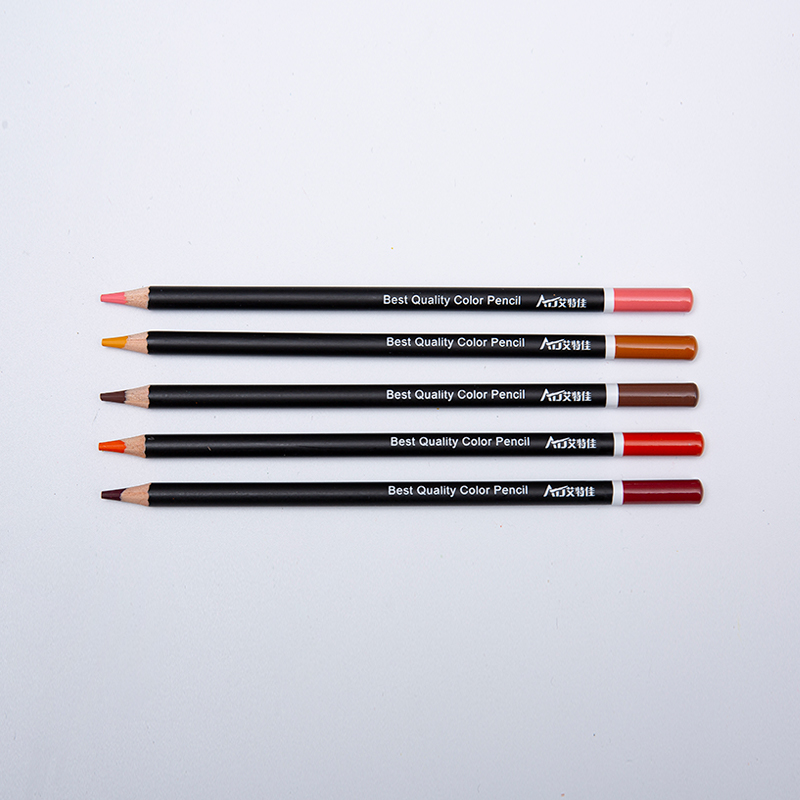 Eco-friendly Colored Pencils With Dipping End
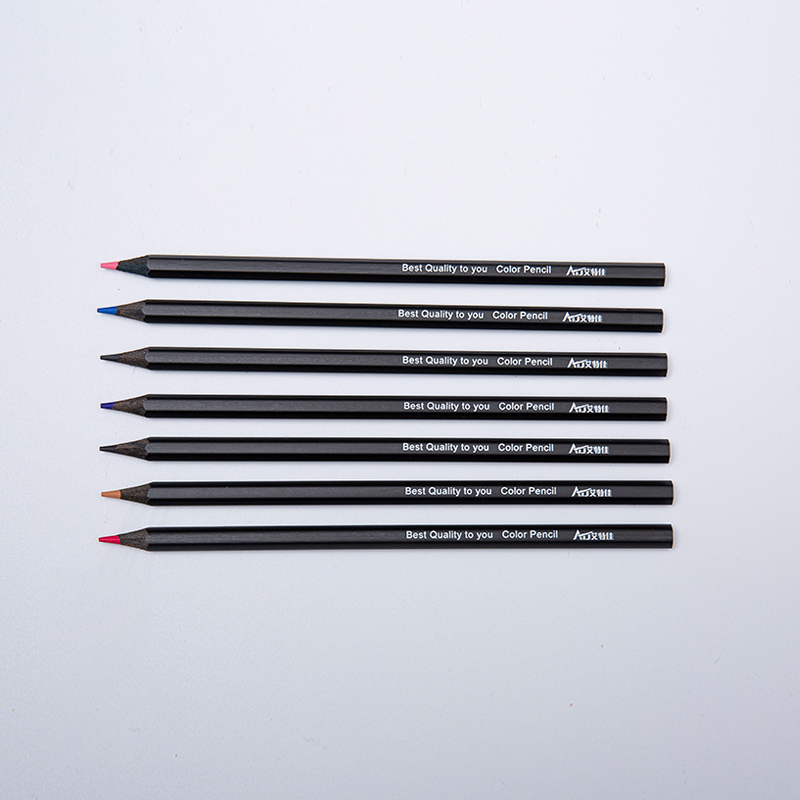 Professional Black Wood Hexagon Color Pencils
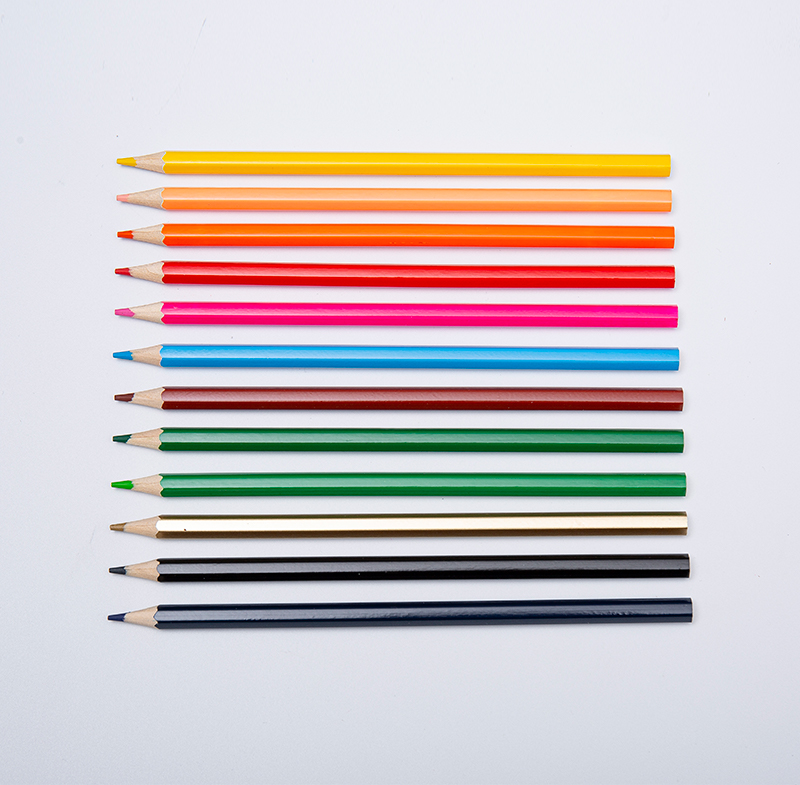 Hexagonal Drawing Colour Pencils for Children Adult
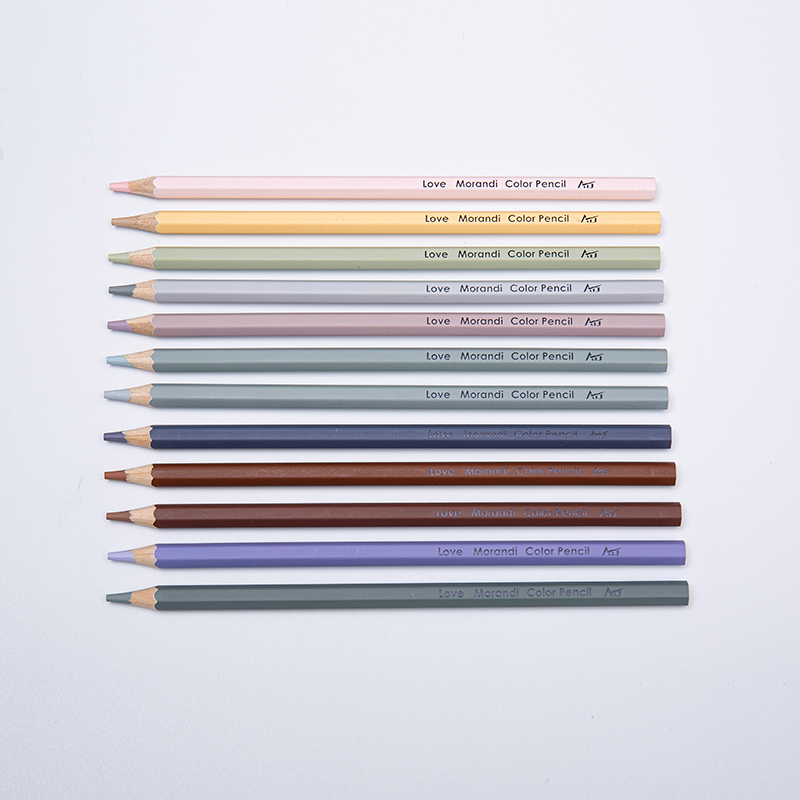 White Linden Morandi Colored Pencils
© Aitejia Stationery
No 32. Jinshan Avenus, Pingdu Industrial Zone, Qingyuan Country, Lishui, Zhejiang, China
+(86) 19857810299 / +(86) 578-6057586
Copyright ©Zhejiang Aitejia Stationery Co., Ltd. All Rights Reaerved.
Colored Wood Pencils Slats Factory

 Previous