

 English
  Français
 عربى
عربى Español
 中文简体
中文简体News
Home / Blogs / Industry News / Soft Poplar Pencil Slats Manufacturer: The Wood That Disappears Into the Pencil
A pencil is mostly wood. The graphite core gets the attention, but the cedar or poplar around it does the work. It sharpens clean. It holds the lead straight. It survives the sharpener, the pencil case, and the drop off the desk. A soft poplar pencil slats manufacturer produces the wooden slats that pencil factories groove, glue, and shape into finished pencils. Poplar has become the mainstream substitute for incense cedar in many markets. It costs less. It machines well. It takes paint and lacquer without excessive surface prep. Here is what pencil makers and stationery brands should know about the slats before the slats become pencils.
Incense cedar was the standard for a century. It sharpens beautifully and smells like a pencil should. It also costs more every year as supply tightens. Poplar stepped into that gap. A soft poplar pencil slats manufacturer supplies a wood that is light, straight-grained, and soft enough to sharpen without shattering the blade edge. The grain structure is uniform, which means the slat grooves cleanly and the glue bond between the two slat halves holds across the full length.
The softness of poplar is the selling point and the risk. It sharpens easily, which matters to a child using a hand sharpener with a dull blade. It also dents more readily than cedar. A soft poplar pencil slats manufacturer that selects for density within a controlled range delivers slats that are soft enough to sharpen and firm enough to survive the supply chain.
Moisture content at the time of slat production determines whether the finished pencil stays straight or warps. Poplar slats dried to a consistent moisture content, typically between eight and twelve percent, stay stable through gluing, shaping, and painting. A soft poplar pencil slats manufacturer that kiln-dries the slats and verifies moisture content per batch produces material that pencil factories can run without adjusting their lines for every pallet.
The log selection and sawing pattern determine how many slats yield straight grain. Poplar logs with small knots and spiral grain produce slats that groove cleanly without tear-out. A soft poplar pencil slats manufacturer cuts to pencil slat dimensions, typically around five millimeters thick and roughly one hundred eighty millimeters long, with the grain oriented parallel to the longest edge.
Slat thickness has to be consistent across the entire pallet. A variation of a fraction of a millimeter changes the glue squeeze-out and the final pencil diameter. A soft poplar pencil slats manufacturer that planes or sands slats to a tight thickness tolerance gives the pencil factory a consistent starting point. Slats that vary in thickness produce pencils that vary in diameter, and pencils that vary in diameter jam in sharpeners.
The surface finish of the slat matters for gluing. A surface that is too smooth, burnished by dull planer blades, gives the glue nothing to grip. A surface that is too rough leaves gaps in the glue line. A soft poplar pencil slats manufacturer producing slats with a light tooth from sharp planer knives creates a surface that bonds reliably without excessive glue consumption.
A slat that looks fine on the pallet can ruin a batch of pencils after processing. Hidden knots are the most common defect. A small knot that survives the slat inspection becomes a weak point in the finished pencil. The pencil snaps at the knot during sharpening. A soft poplar pencil slats manufacturer that grades slats for knot frequency and size reduces the breakage rate at the pencil factory's quality control stage.
Discoloration is an aesthetic problem that only appears after painting. Poplar can develop mineral stains or fungal discoloration that is invisible on the raw slat but shows through light-colored lacquer. A soft poplar pencil slats manufacturer that sorts for color consistency supplies slats that take pastel and white finishes without ghost stains bleeding through.
Warp after the slats leave the factory is the complaint that starts arguments. The slats were straight when they shipped. They arrived with a bow. The cause is usually residual drying stress or a moisture imbalance between the surface and the core of the slat. A soft poplar pencil slats manufacturer that conditions slats after drying, allowing moisture to equalize throughout the wood, produces slats that stay straight through transit and storage.
Here is what a pencil factory needs from its poplar slat supplier:
A sample box of slats looks good in the office. The production pallet is what runs through the grooving machine at speed. A soft poplar pencil slats manufacturer that ships consistent quality across multiple containers, not just the pre-shipment sample, earns the pencil factory's trust. Consistency matters more than the absolute ideal single batch.
Traceability back to the log source helps when a quality issue appears. A soft poplar pencil slats manufacturer that can identify which drying cycle and which log batch a given pallet came from lets the pencil factory isolate the problem to a specific shipment instead of quarantining the entire inventory.
A soft poplar pencil slat is not a finished product. It is a component that disappears inside a pencil. But if the slat is the wrong thickness, the wrong moisture content, or hiding a knot, the finished pencil fails in the user's hand. Choose a manufacturer that dries properly, machines to tolerance, and grades honestly. The pencil will sharpen smooth and write straight. That is what the wood is there to do.
If you have any questions, please fill out the contact form at the bottom of the page and contact us.
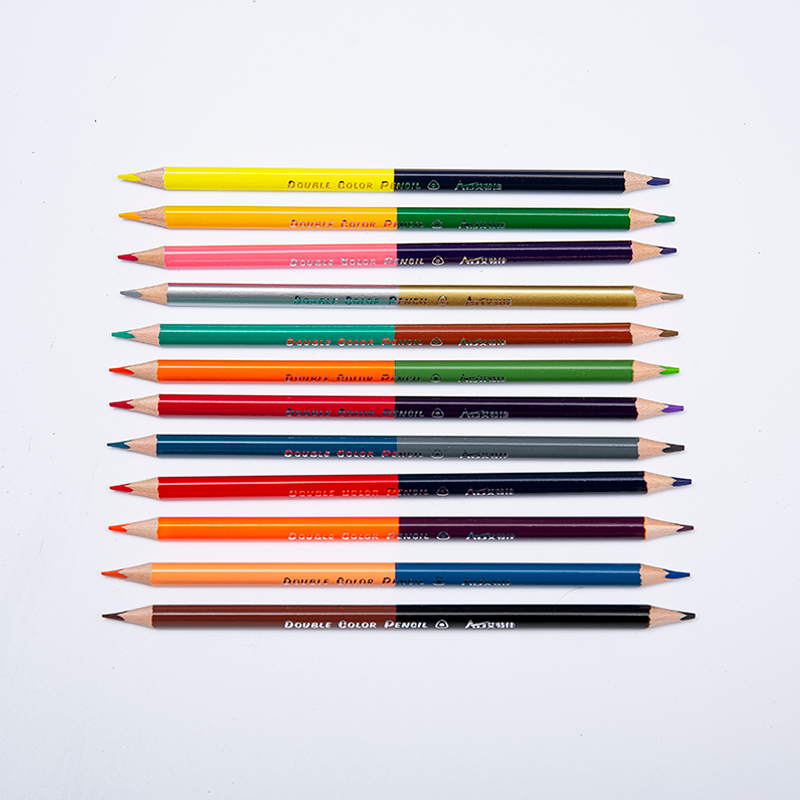 24 Colors Kids Double Ended Wood Color Pencils
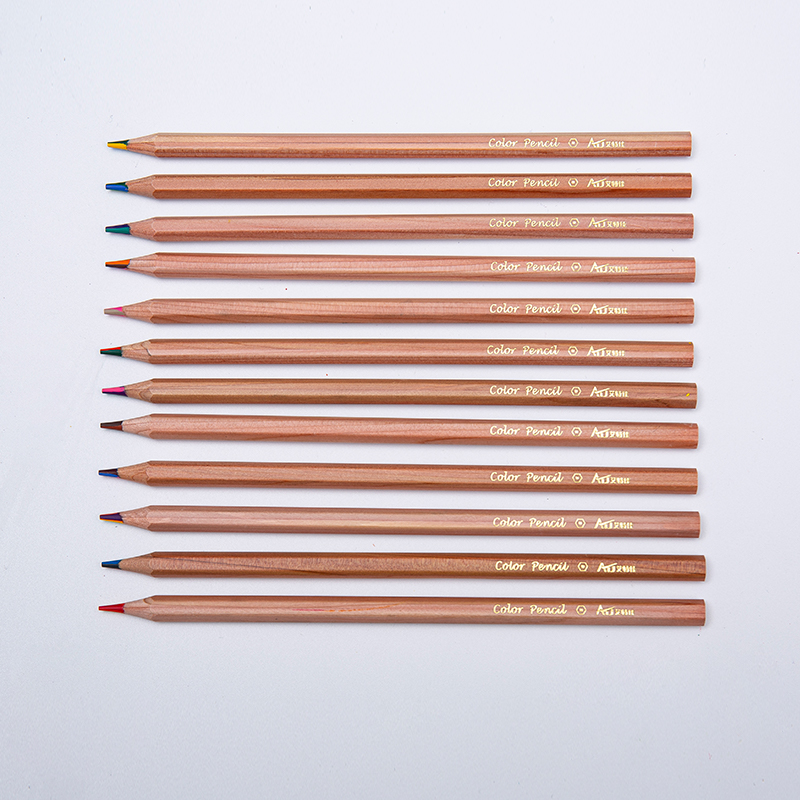
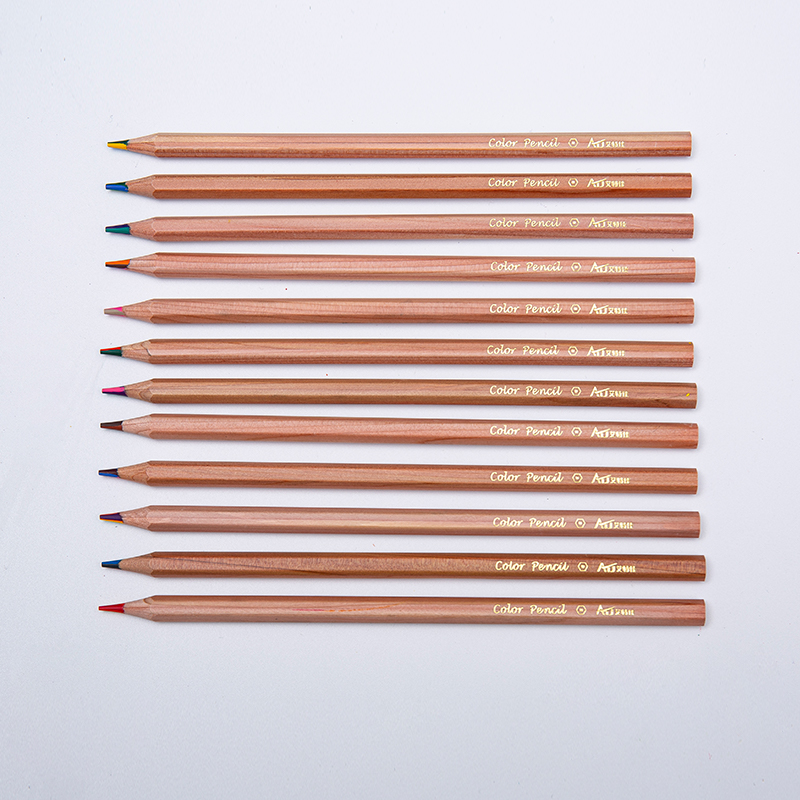 Cedar Wooden Mixed Color Pencils
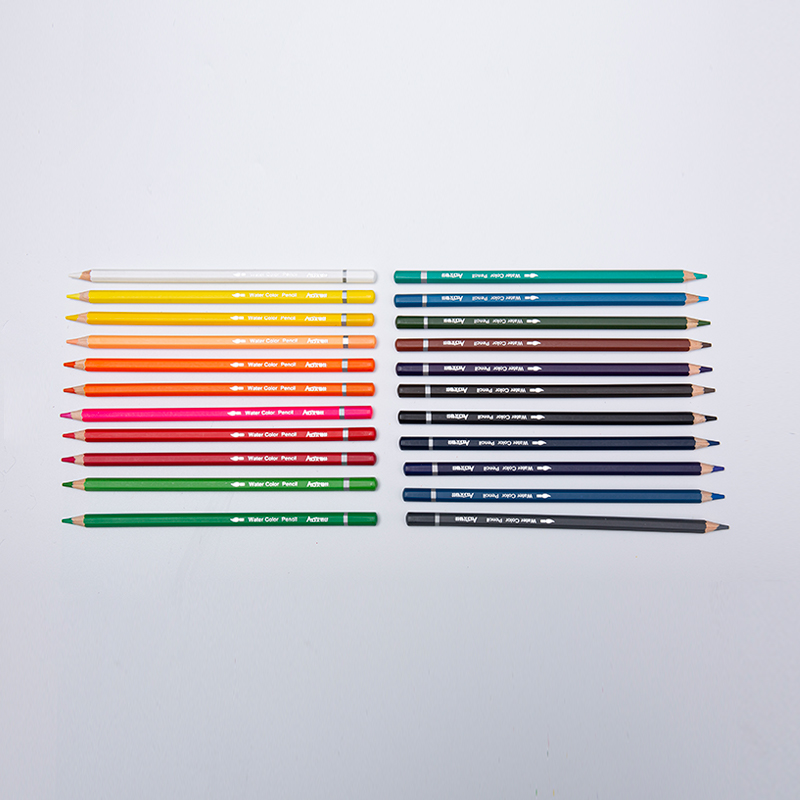 Hexagonal Watercolour Pencils for Children Drawing
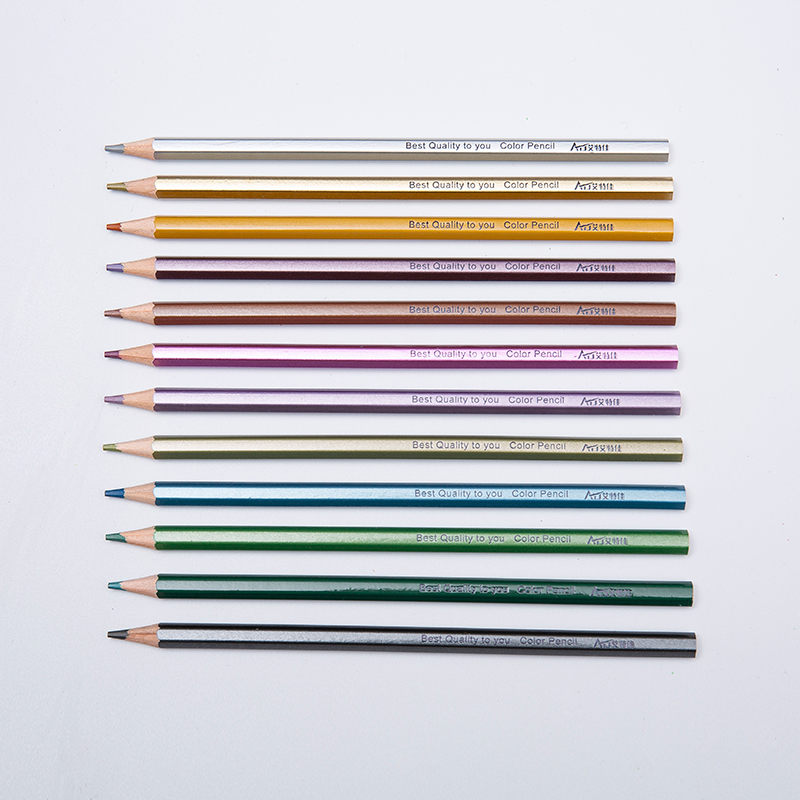 Metallic Colouring Pencils for Drawing
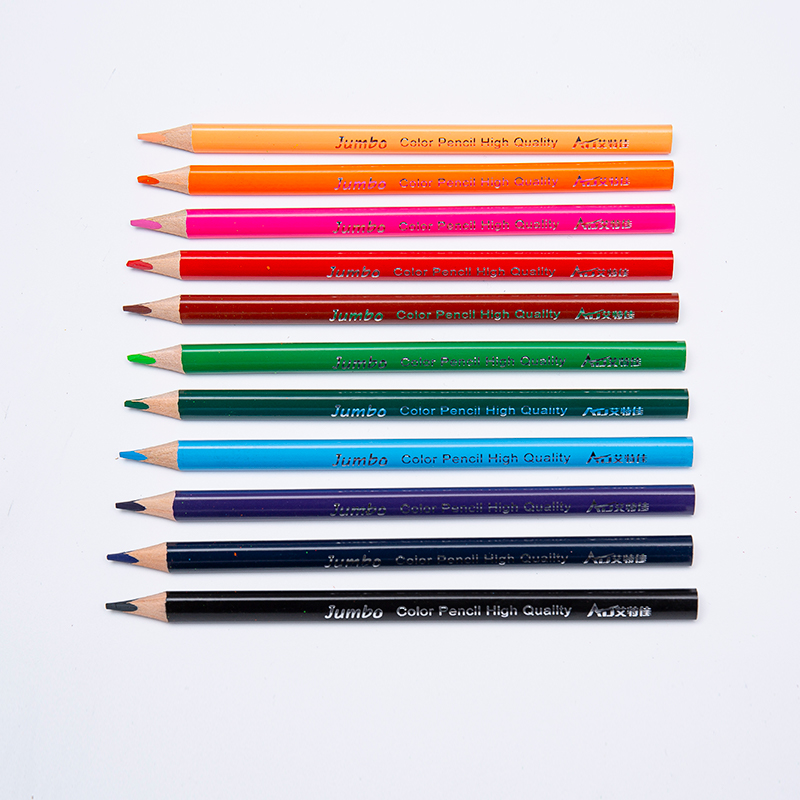 Natural Wood Jumbo Triangular Color Pencils
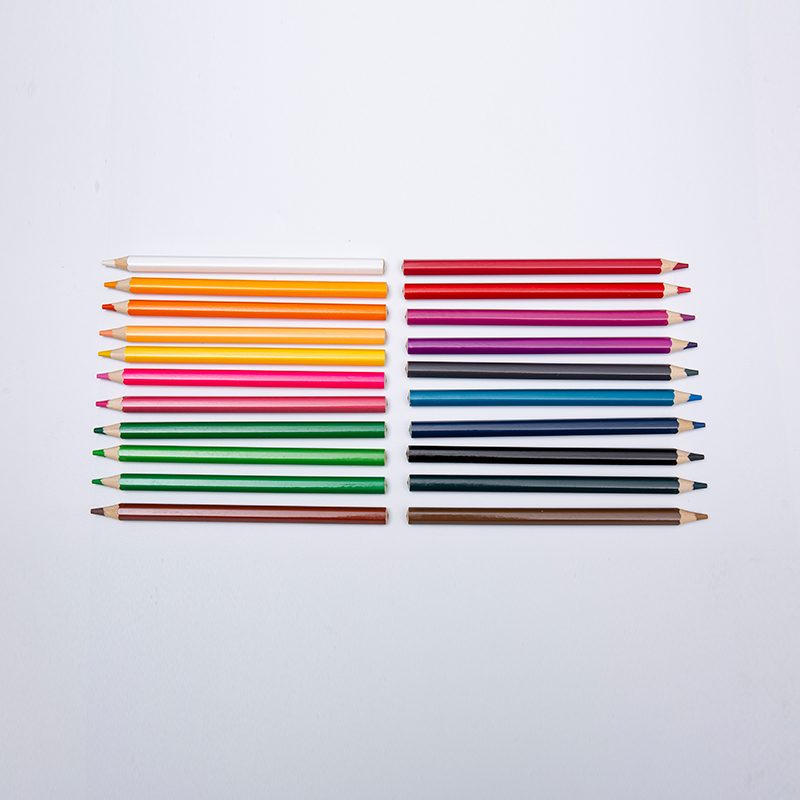 Hexagonal Jumbo Color Pencils
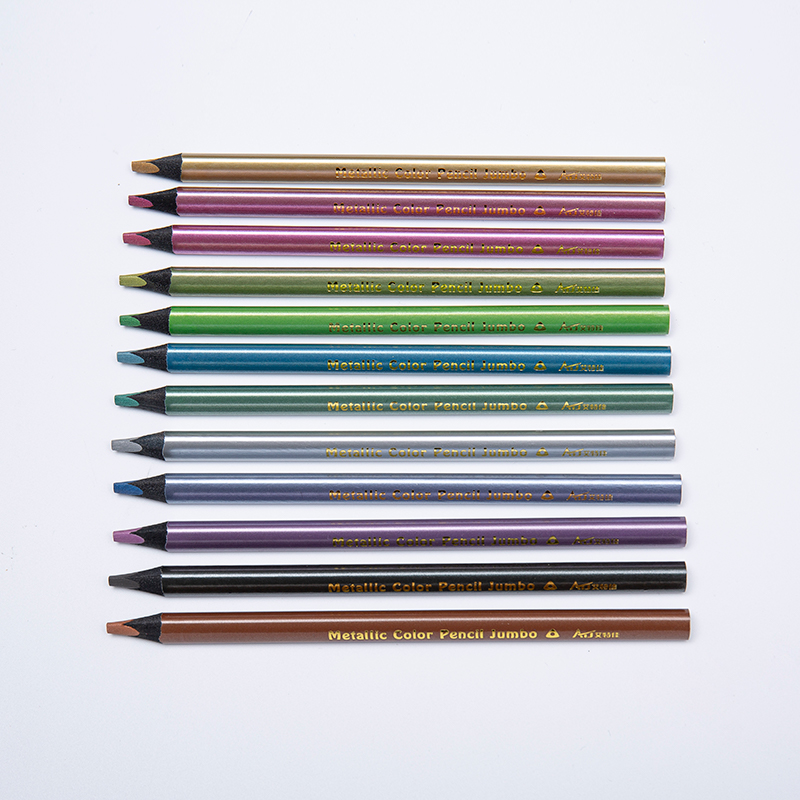 Jumbo Triangular Metallic Colored Pencils
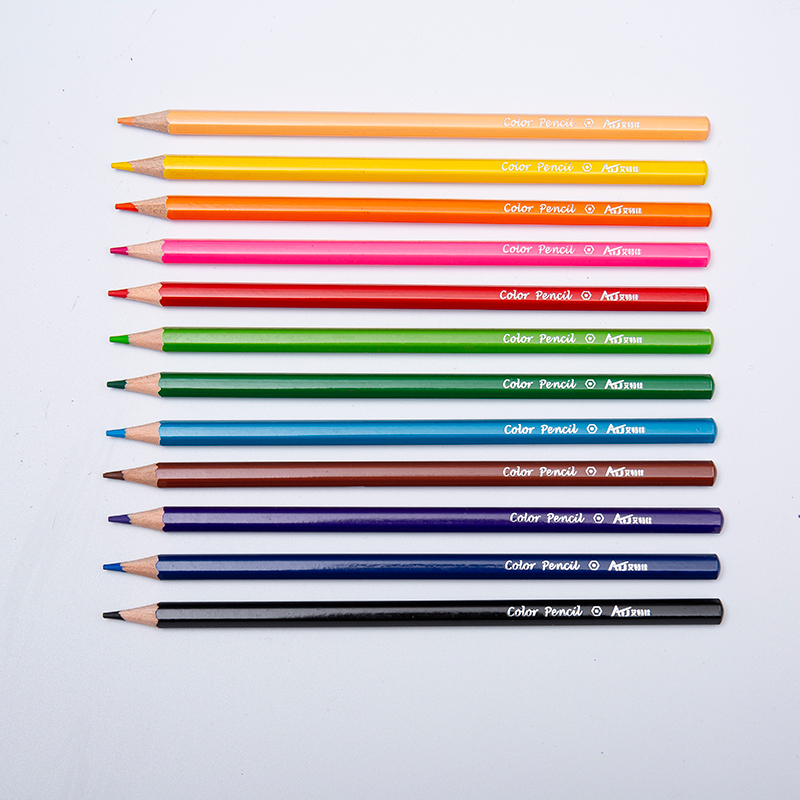 Students Hexagonal Wooden Watercolor Pencils
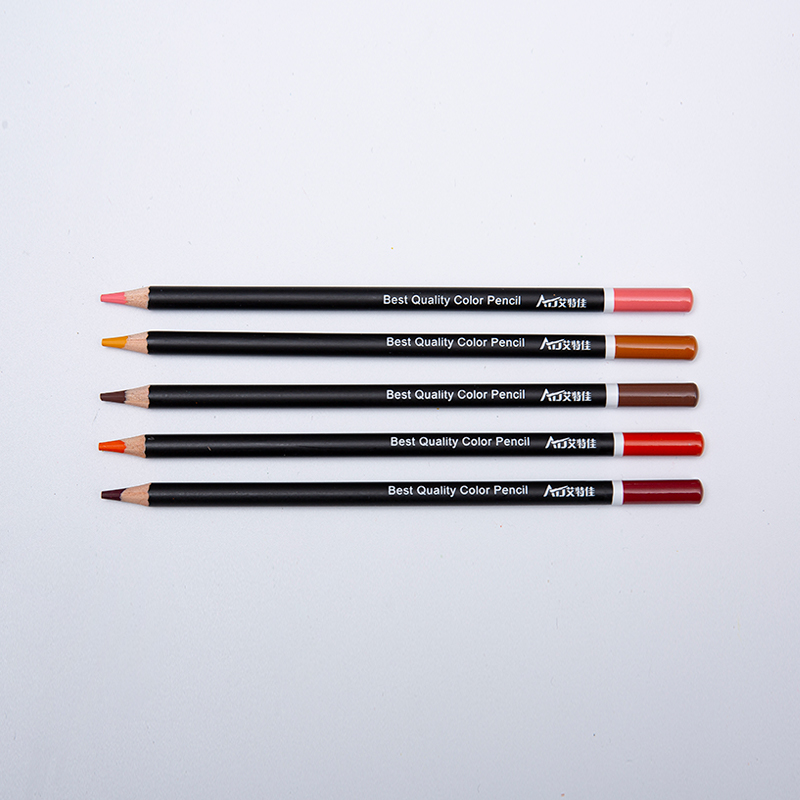 Eco-friendly Colored Pencils With Dipping End
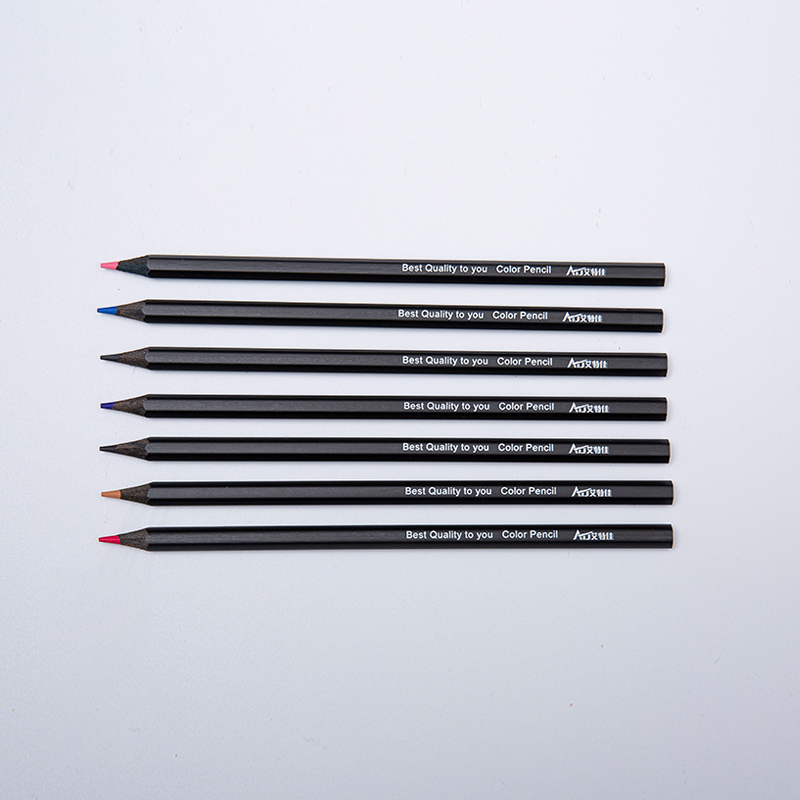 Professional Black Wood Hexagon Color Pencils
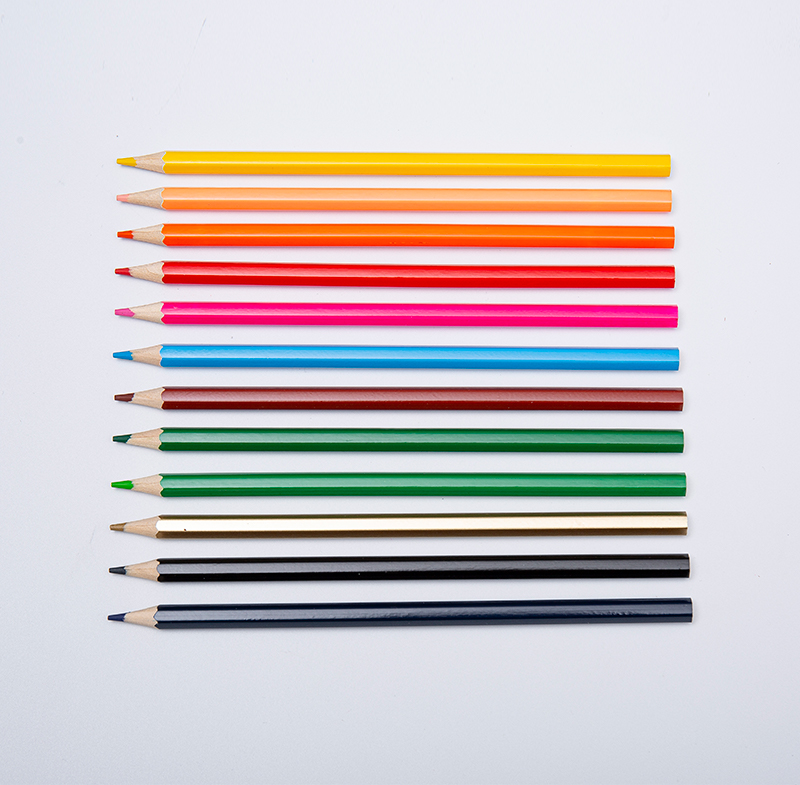 Hexagonal Drawing Colour Pencils for Children Adult
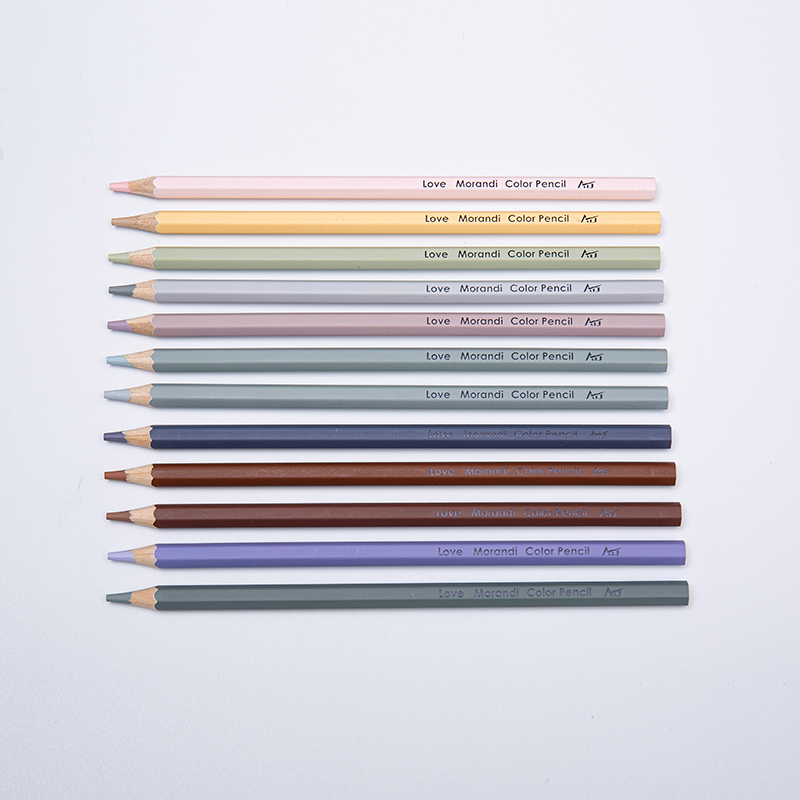 White Linden Morandi Colored Pencils
© Aitejia Stationery
No 32. Jinshan Avenus, Pingdu Industrial Zone, Qingyuan Country, Lishui, Zhejiang, China
+(86) 19857810299 / +(86) 578-6057586
Copyright ©Zhejiang Aitejia Stationery Co., Ltd. All Rights Reaerved.
Colored Wood Pencils Slats Factory

 Previous