

 English
  Français
 عربى
عربى Español
 中文简体
中文简体News
Home / Blogs / Industry News / Soft Linden Pencil Slats Manufacturer: The Wood That Makes Pencils Sharpen Like Butter
A pencil is a sandwich. Two slats of wood with grooves cut into them, a stick of graphite glued in the middle, the whole thing shaped into a hexagon or a circle. The wood does half the work. It has to be soft enough to sharpen without shattering the blade, straight-grained enough to cut clean grooves, and stable enough to stay straight after the glue cures. Linden wood, also called basswood or lime wood, has been doing this job for centuries. A soft linden pencil slats manufacturer takes logs from managed forests, dries them, cuts them into slats, and ships them to pencil factories that do the rest.
Incense cedar is the gold standard. It sharpens beautifully and smells like a pencil is supposed to smell. It also costs more every year. Poplar is cheaper and takes paint well, but it is slightly harder to sharpen and can feel gritty under the blade. Linden sits between them. It is soft, with a fine, even grain that cuts cleanly. A soft linden pencil slats manufacturer produces a material that feels closer to cedar in sharpening quality but at a price pencil makers can work with.
The wood has almost no resin. That matters when the slat goes through a glue wheel and gets bonded to its mate. Resinous wood rejects glue at the surface and creates weak bond lines. A weak bond means the pencil splits when dropped or sharpened. Linden's low resin content gives a reliable glue surface with standard pencil adhesives.
The color is pale, almost white, with little variation between heartwood and sapwood. Pencils made from linden take light-colored lacquers and pastel finishes without the dark bleed-through that poplar's mineral streaks can cause. A soft linden pencil slats manufacturer supplying slats for fashion colors or white-barrel pencils knows the base wood color matters as much as the paint.
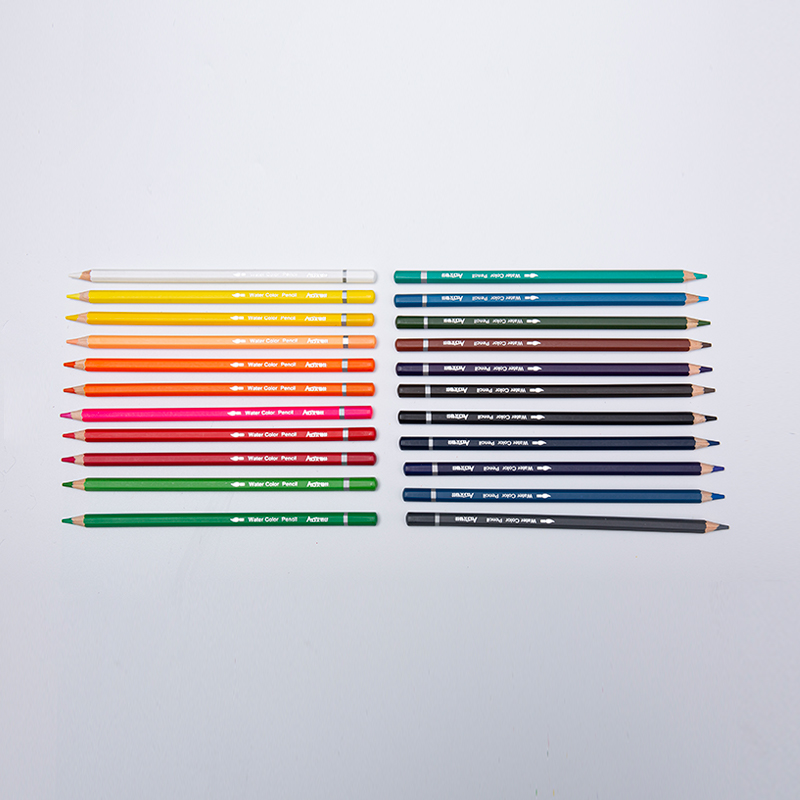
Moisture content is the number that determines whether a slat stays straight. Wood that is too wet warps as it dries. Wood that is too dry absorbs atmospheric moisture and swells. A soft linden pencil slats manufacturer dries slats to a moisture content between eight and twelve percent, then conditions them so the moisture equalizes through the thickness. Stable slats make stable pencils.
Thickness tolerance is the machining challenge. Pencil slats are about five millimeters thick. A variation of a few tenths of a millimeter changes the glue squeeze-out and the final pencil diameter. A soft linden pencil slats manufacturer planes or sands the slats to a tight tolerance band and checks every batch. Groove depth and position are equally critical. The graphite core has to sit centered in the finished pencil. An off-center groove produces a pencil that sharpens unevenly, with wood on one side and exposed graphite on the other.
Knots are the enemy. A knot hidden in a slat becomes a weak point in the finished pencil. The pencil snaps at the knot when sharpened or when a child presses too hard. A soft linden pencil slats manufacturer grades the slats for knot frequency and size, separating material by quality tier. Premium slats go to premium pencil brands. Utility grade goes to promotional pencils and budget markets.
Here is what a pencil factory needs from linden slats:
Linden grows in managed forests, primarily in regions with a temperate climate. The trees reach harvestable size in decades rather than centuries. A soft linden pencil slats manufacturer sources logs from sustainable forestry operations. The logs are debarked, sawn into boards, and then resawn into slat blanks. The blanks are kiln-dried, planed to thickness, inspected for defects, and bundled for shipment.
Cutting pattern at the sawmill determines the grain orientation in the finished slat. Quarter-sawn and rift-sawn boards produce slats with straight, vertical grain that moves predictably with moisture changes. Flat-sawn boards produce slats with curved grain that is more likely to warp. A soft linden pencil slats manufacturer that controls the cutting pattern at the log stage produces more usable slats per log and more consistent material for the pencil factory.
Slats that leave the factory straight arrive at the pencil factory with a bow. The cause is moisture imbalance. The surface of the slat dried faster than the core during kilning, and residual stress curved the wood over time. A soft linden pencil slats manufacturer that conditions slats after drying, allowing moisture to equalize before final planing, ships material that stays flat through transit and storage.
Slats that are too hard defeat the purpose of linden. Wood hardness varies within a species based on growing conditions and the location in the log. A soft linden pencil slats manufacturer that selects logs from managed sources and avoids the dense heartwood near the center of old trees produces consistently soft material that sharpens without fighting the blade.
A soft linden pencil slats manufacturer supplies a component that vanishes into the finished product. The consumer never sees the slat. They see a yellow pencil with a sharp point and a centered lead. The wood disappears into the sharpener, leaving a clean cone of painted wood and a ready-to-write tip. Choose a manufacturer that dries the wood properly, machines to tolerance, and grades for the quality tier the pencil brand needs. The pencils will sharpen smooth and write straight. That is what the slat is there to do.
If you have any questions, please fill out the contact form at the bottom of the page and contact us.
 24 Colors Kids Double Ended Wood Color Pencils
 Cedar Wooden Mixed Color Pencils
 Hexagonal Watercolour Pencils for Children Drawing
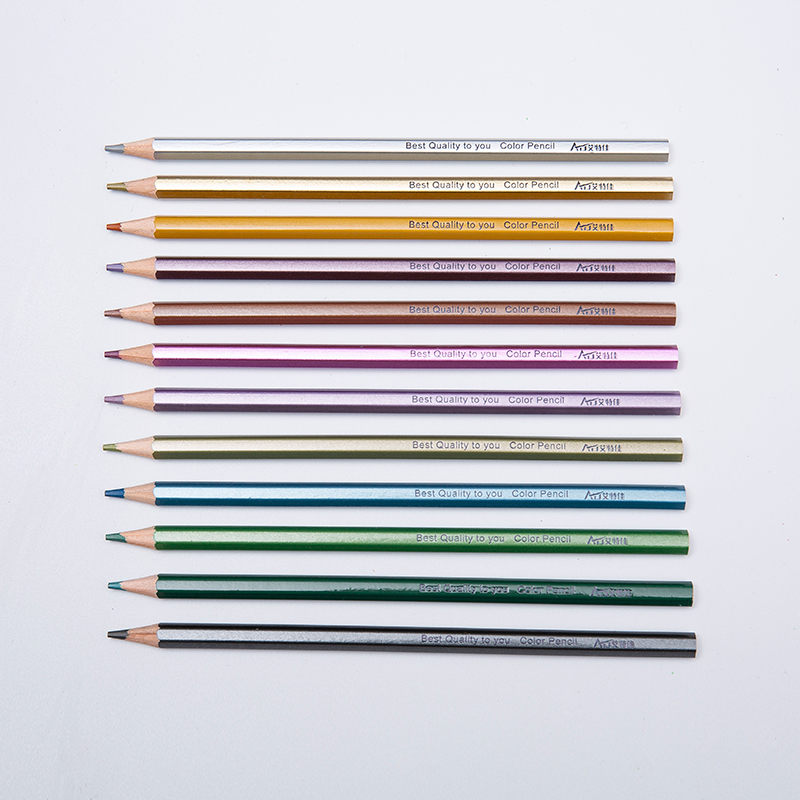 Metallic Colouring Pencils for Drawing
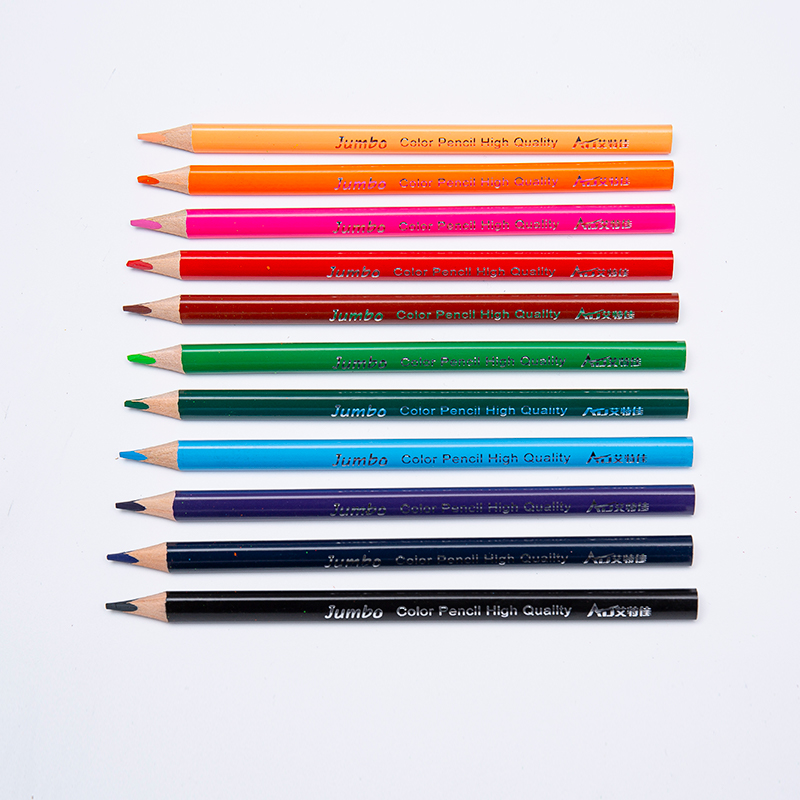 Natural Wood Jumbo Triangular Color Pencils
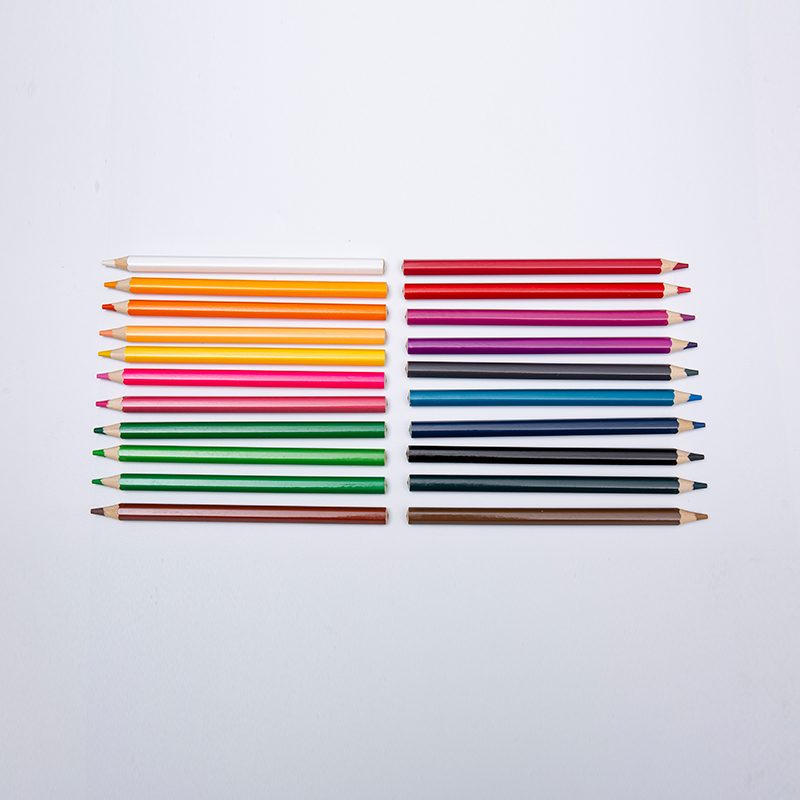 Hexagonal Jumbo Color Pencils
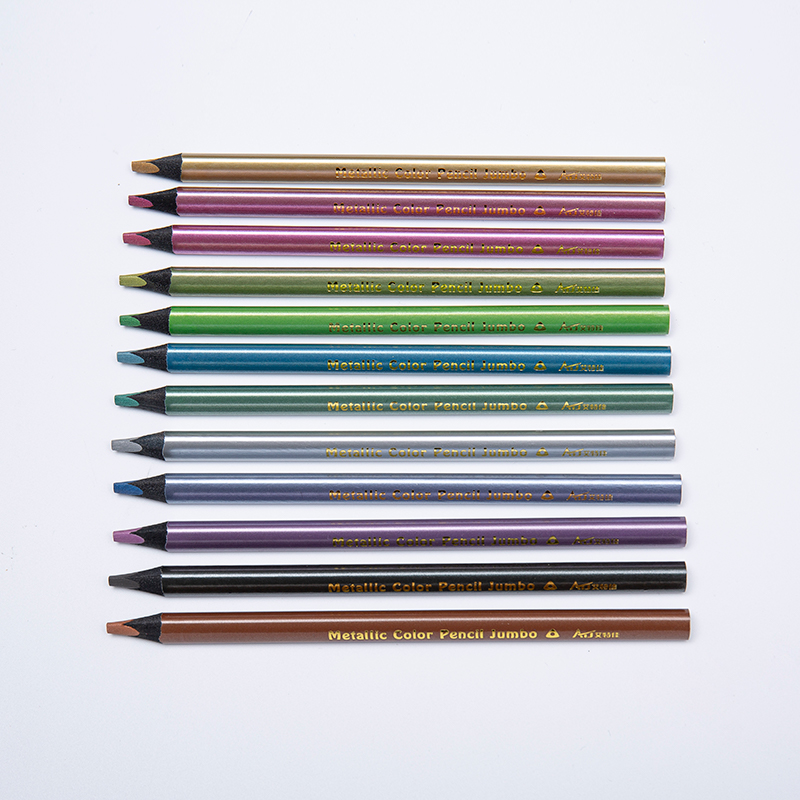 Jumbo Triangular Metallic Colored Pencils
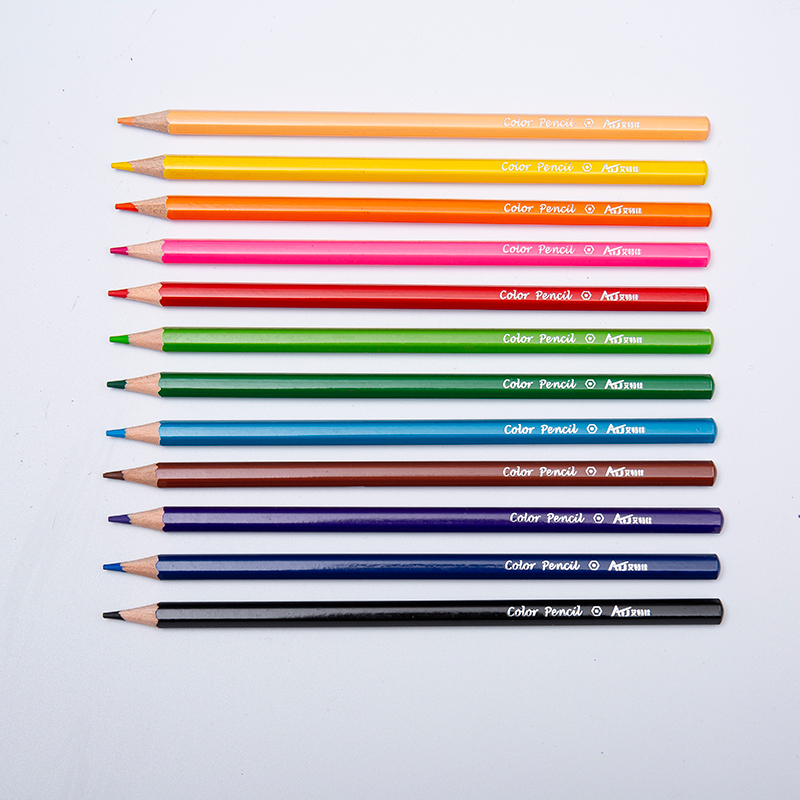 Students Hexagonal Wooden Watercolor Pencils
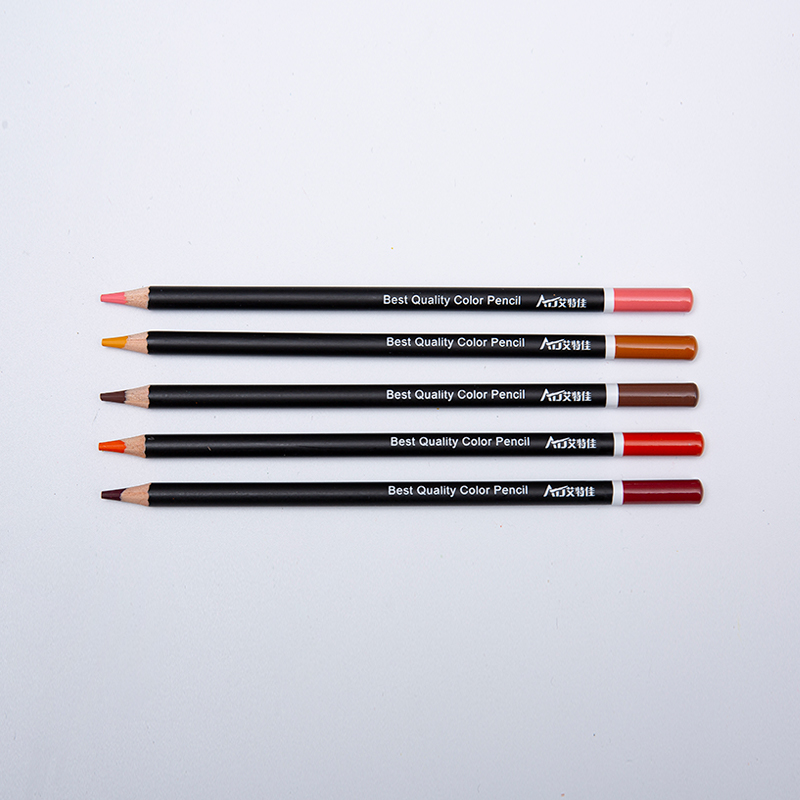 Eco-friendly Colored Pencils With Dipping End
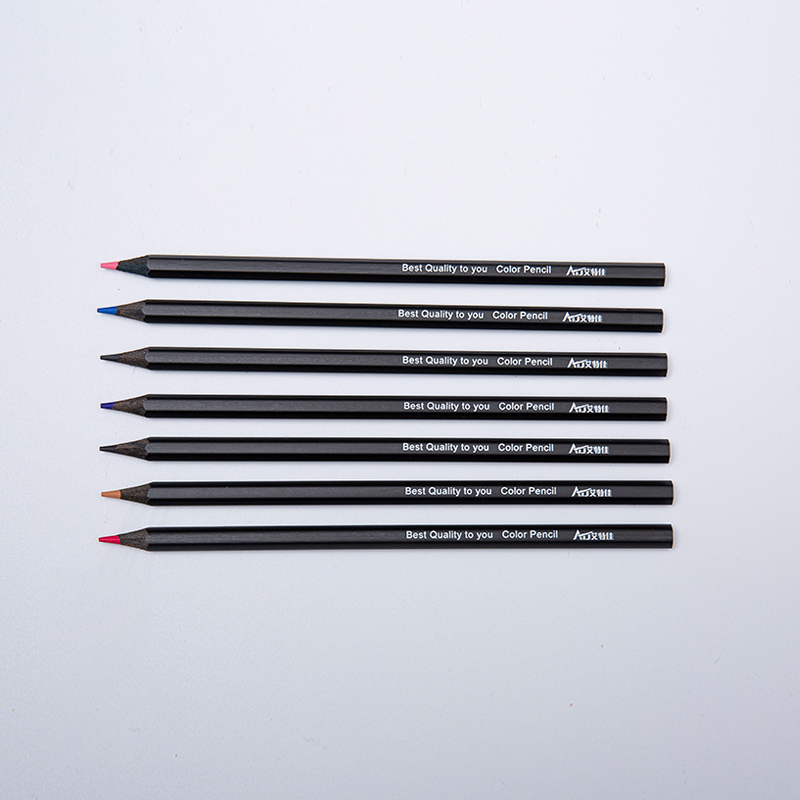 Professional Black Wood Hexagon Color Pencils
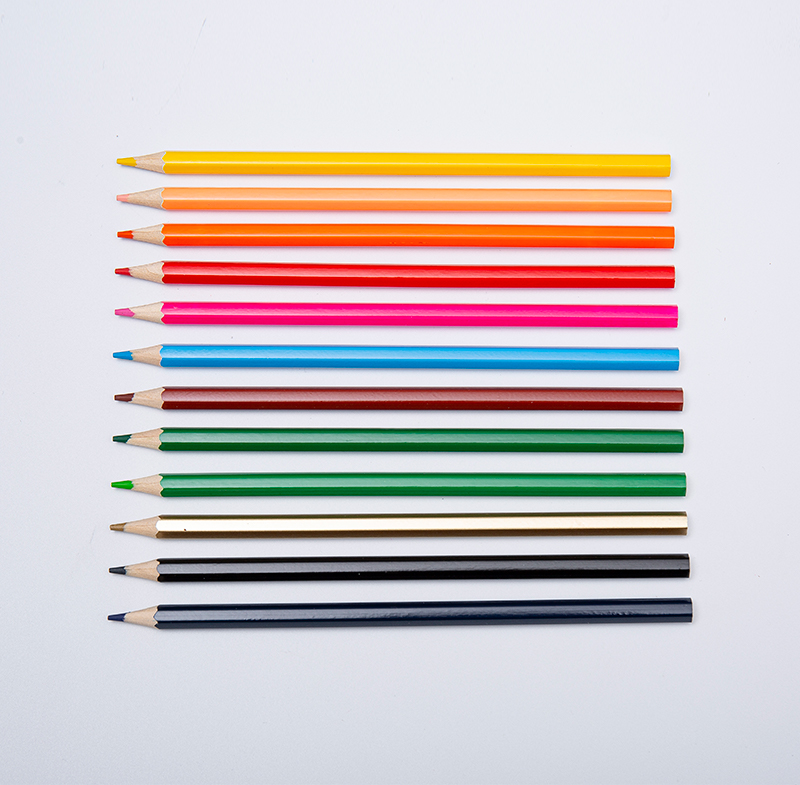 Hexagonal Drawing Colour Pencils for Children Adult
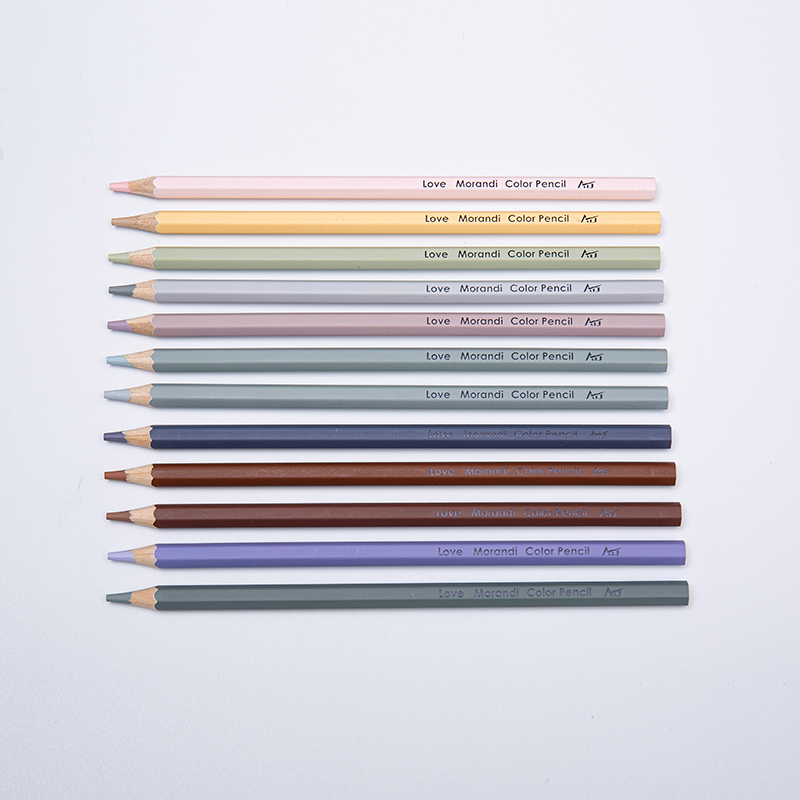 White Linden Morandi Colored Pencils
© Aitejia Stationery
No 32. Jinshan Avenus, Pingdu Industrial Zone, Qingyuan Country, Lishui, Zhejiang, China
+(86) 19857810299 / +(86) 578-6057586
Copyright ©Zhejiang Aitejia Stationery Co., Ltd. All Rights Reaerved.
Colored Wood Pencils Slats Factory

 Previous