
 English
 Français
 عربى
 Español
 中文简体
News
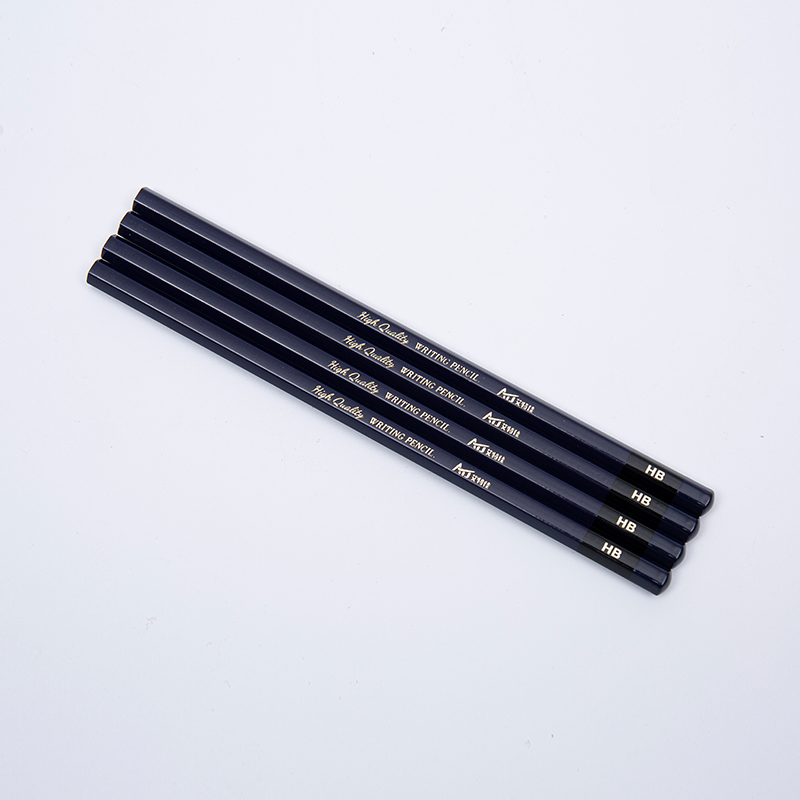
A pencil is mostly wood. The graphite gets the attention, but the slats around it do the structural work. They hold the core straight, sharpen cleanly, and survive the drop. A pencil slats manufacturer cuts, dries, and grooves the wood that becomes the pencil body. The slat is the component the consumer never sees, and it is the component that decides whether the pencil snaps in the sharpener or writes to the stub.
The Wood Has to Be Chosen, Not Just Cut
Cedar was the standard for a century. It sharpens smoothly, resists cracking, and smells like a pencil should. Cedar is also getting scarcer and more expensive. Poplar and basswood have taken over much of the market, especially in the school pencils and the promotional lines.
Each species behaves differently at the knife. Cedar cuts clean and holds a fine point. Poplar is softer and slightly stringy, and it needs a sharper tool to avoid tearing. Basswood is uniform and easy to machine, but it dents more easily. A pencil slats manufacturer that works in all three knows which one suits the customer's sharpening experience and price point.
Moisture Content Is the Quiet Variable
Wood that is too dry absorbs humidity from the air and the pencil warps after assembly. Wood that is too wet shrinks as it dries, and the lacquer cracks along the grain. The slat manufacturer dries the wood to a controlled moisture content, usually between eight and twelve percent, and holds it there before the grooving and the gluing.
A pallet of slats that leaves the factory at the right moisture can still arrive wrong if the shipping container cycles through the temperature extremes. The manufacturer that seals the pallets against the moisture and monitors the transit conditions protects the investment.
The Groove Is the Precision Part
The two slats sandwich the graphite core in a groove. The groove depth, the groove width, and the groove alignment decide whether the core sits centered in the finished pencil. A groove that is too deep lets the glue squeeze into the channel and the core bonds off-center. A groove that is too shallow leaves the core loose.
The pencil slats manufacturer cuts the grooves on the calibrated gang saws and inspects the depth against the core diameter. The slats that pass the gauge go to the gluing line. The slats that fail become the seconds or the scrap.
The Slat Has to Survive the Gluing and the Shaping
The slats are glued into the sandwich, then shaped into the round or the hexagonal barrel. The glue line has to hold through the shaping and the lacquering. A slat with the internal stress or the hidden knot opens the glue line after the shaping, and the pencil splits along the seam.
Where the Slats Go
The pencil factory runs the slats through the grooving, the gluing, the shaping, and the finishing. The school pencil, the artist pencil, the carpenter pencil, and the promotional pencil all start with the same slat, with the different core and the different finish.
Here is what to confirm with a pencil slats manufacturer:
- Species matched to the sharpening experience and the price point
- Moisture content controlled and documented
- Groove depth and width matched to the core diameter
- Groove alignment held across the full slat length
- Internal defects graded out before the gluing
- Packaging that protects the slats from the moisture in transit
A pencil slat is a simple piece of wood with a groove in it. It is also the part that decides whether the pencil sharpens clean or splits in half. Choose a manufacturer that controls the moisture and the groove.
 Previous