

 English
  Français
 عربى
عربى Español
 中文简体
中文简体News
Home / Blogs / Industry News / Black Wood 2B Graphite Pencils: The Darker Mark That Glides Across the Page
A standard HB writes. A 2B draws, shades, and fills. The lead is softer, the mark is darker, and more graphite ends up on the paper with every stroke. A black wood 2B graphite pencil wraps that dark core in a barrel that is black through the wood itself, not painted on top. Sharpen it and the cut surface is the same color as the outside. No pale wood ring. No chipped paint line. For artists, designers, and test-takers who need a bold mark, the black wood body signals a tool, not a giveaway.
Graphite pencils mix graphite powder and clay, then fire the extruded core. More graphite means a softer, darker mark. A 2B sits two steps into the B scale, soft enough to shade smoothly and bold enough for a machine scanner to read. A black wood 2B graphite pencil lays down a line with less pressure than an HB. The trade-off is faster wear. A 2B dulls sooner and needs sharpening more often. That is the deal.
Core centering decides whether the pencil sharpens evenly. An off-center core exposes bare graphite on one side and wood on the other. A black wood 2B graphite pencil with a centered core sharpens to a clean cone every time. The graphite sits in the middle, surrounded by an even ring of black wood.
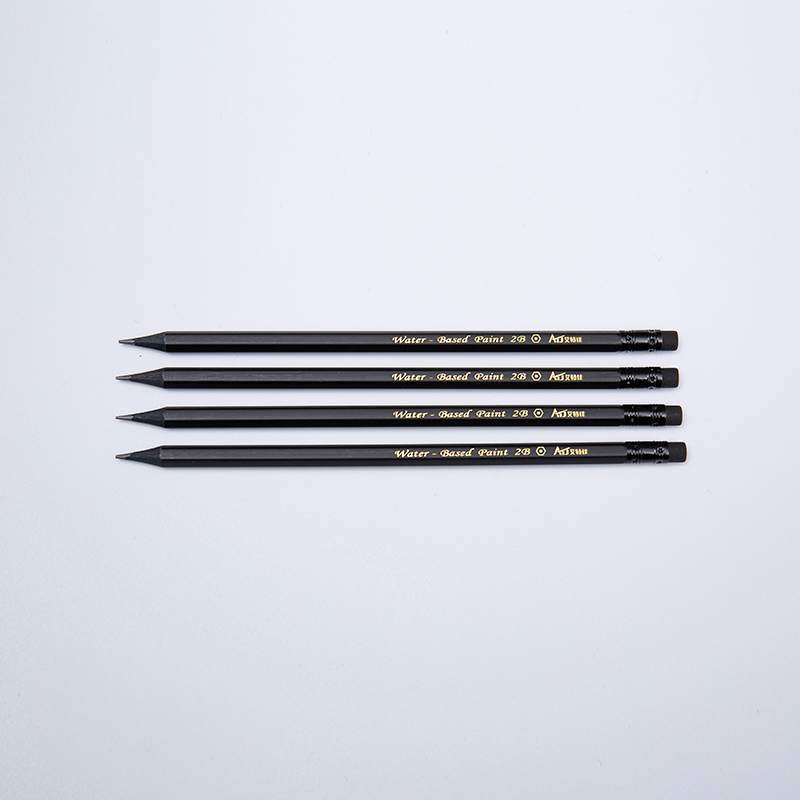
Standard colored pencils are painted. Drop one in a sharpener and the cut surface shows pale wood under the color. A black wood 2B graphite pencil is different. The slats are dyed or stained before the pencil is assembled. The color penetrates the wood fibers. When the pencil is sharpened, the exposed wood is black all the way through. Scratches and dings do not reveal a different color underneath.
The base wood is typically basswood or poplar, chosen because it sharpens cleanly without splintering. A black wood 2B graphite pencil with through-dyed wood feels the same in the hand as a natural pencil. The finish can be matte or lightly lacquered over the dyed surface. Matte hides fingerprints. Lacquer adds a polished look.
Here is what separates through-dyed from painted:
Artists and illustrators use black wood 2B graphite pencils for sketching and shading. The dark barrel fits a professional toolkit. Designers and architects mark up drawings where the bold line reads through trace paper. Students and test-takers rely on 2B for answer sheets that machine scanners read reliably.
The dye rubs off on hands. A black wood 2B graphite pencil that uses surface stain without proper fixing transfers color when hands sweat. Through-dyed wood does not bleed. The core scratches instead of glides. A poorly milled 2B lead with uneven clay distribution drags and leaves a gritty mark. Quality graphite is smooth from the first stroke to the last.
A black wood 2B graphite pencil is simple. Wood. Graphite. Glue. But the wood has to stay black through every sharpening, and the core has to lay down a dark mark without scratching. Choose a manufacturer that dyes the slats through, centers the core, and grinds the graphite properly. The pencil writes dark and sharpens clean. That is the point.
If you have any questions, please fill out the contact form at the bottom of the page and contact us.
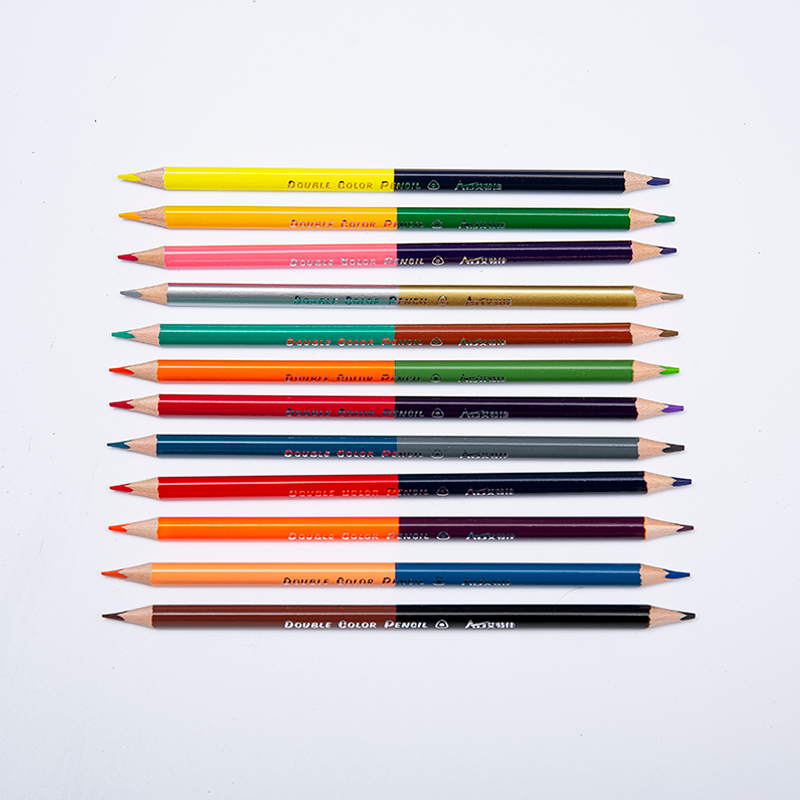 24 Colors Kids Double Ended Wood Color Pencils
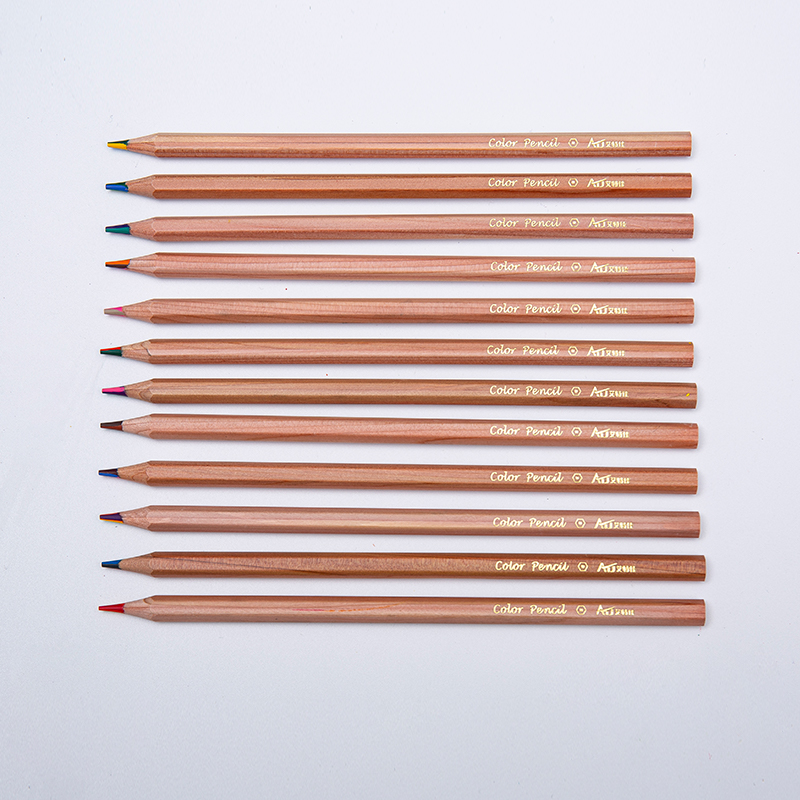 Cedar Wooden Mixed Color Pencils
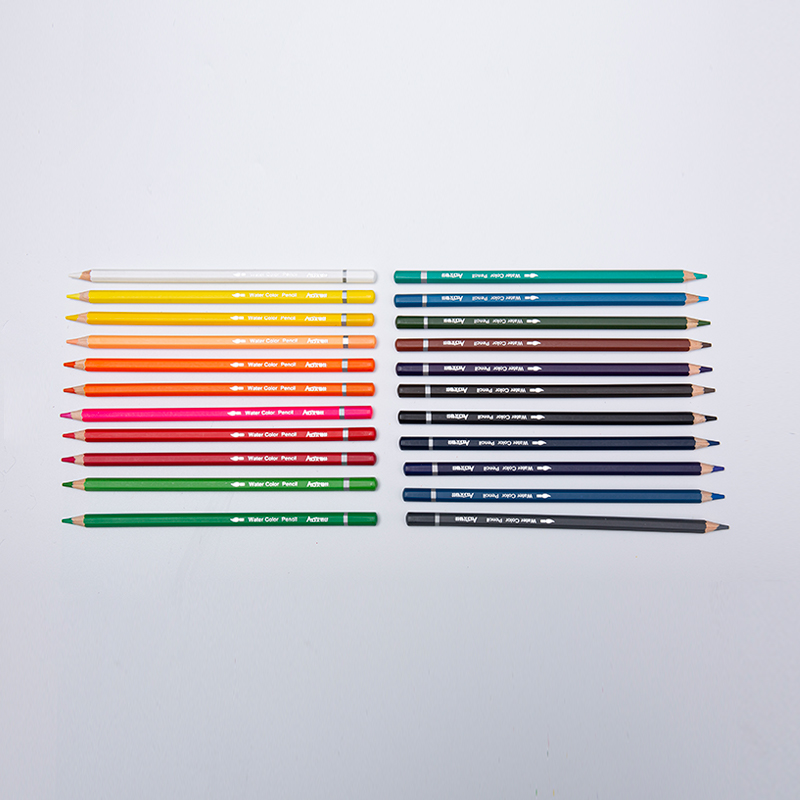 Hexagonal Watercolour Pencils for Children Drawing
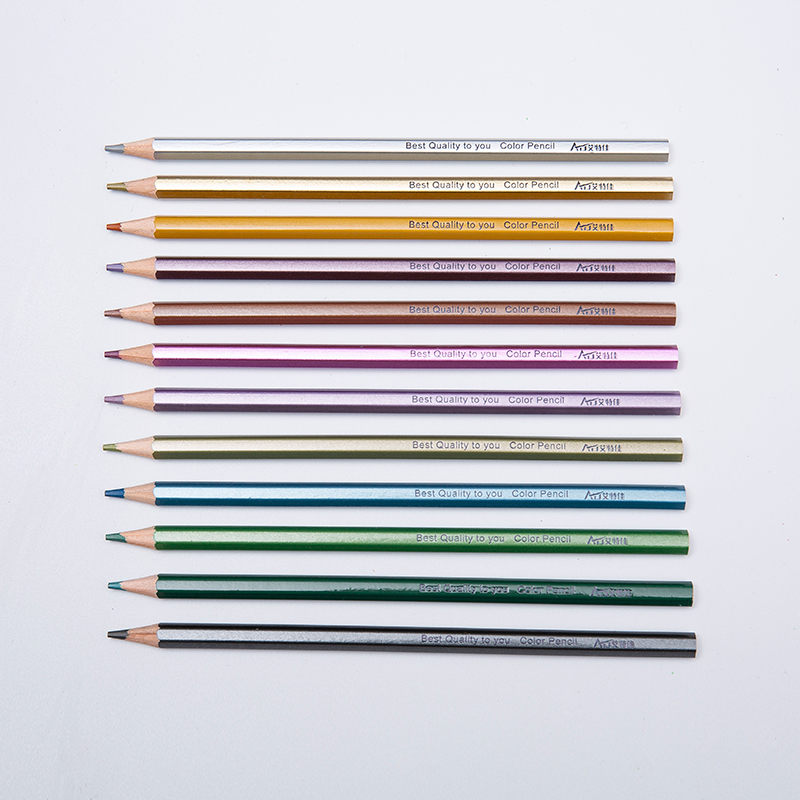 Metallic Colouring Pencils for Drawing
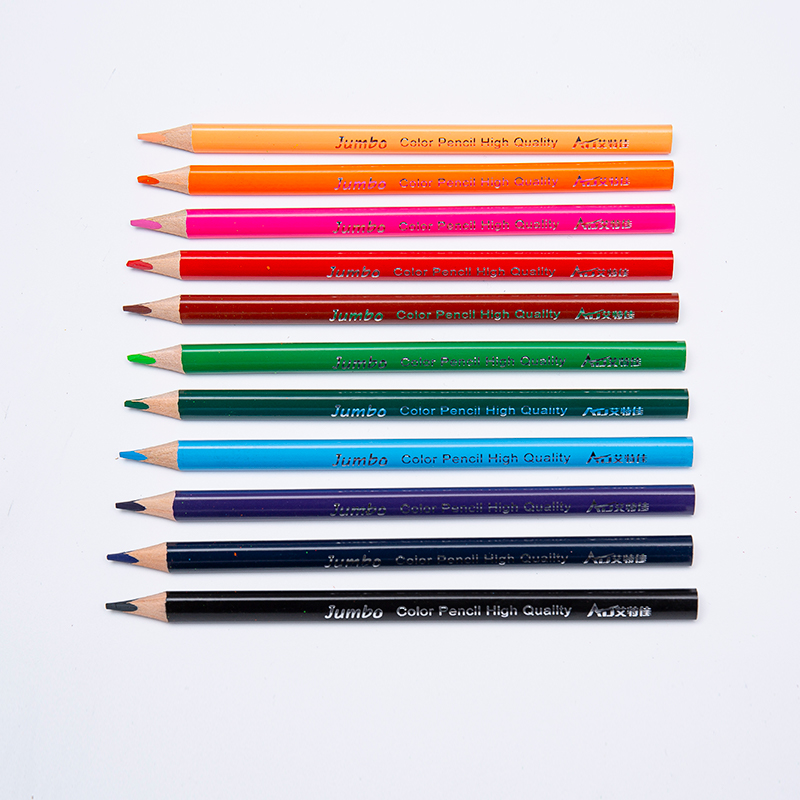 Natural Wood Jumbo Triangular Color Pencils
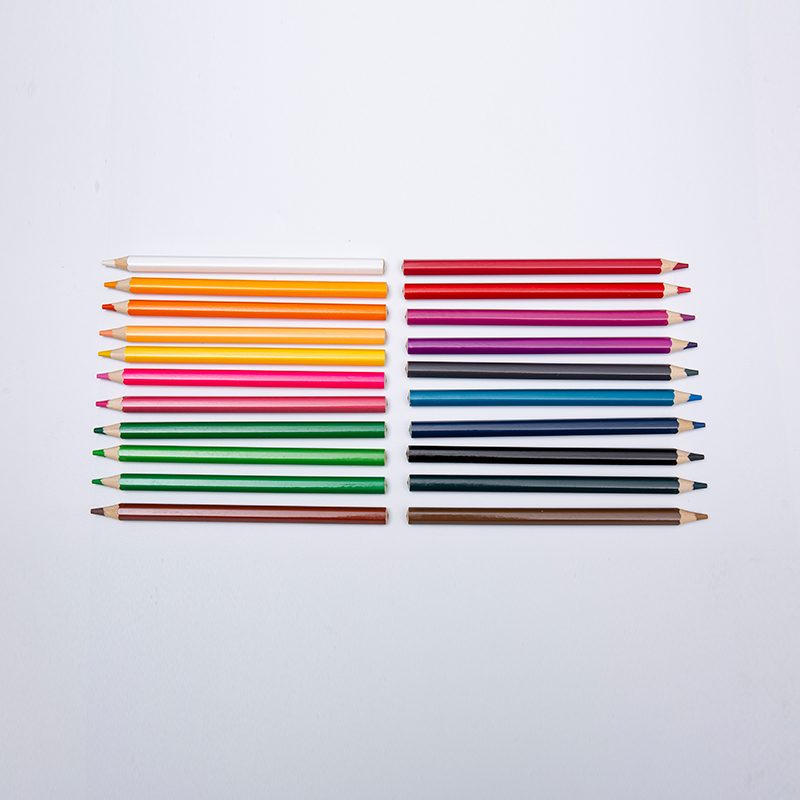 Hexagonal Jumbo Color Pencils
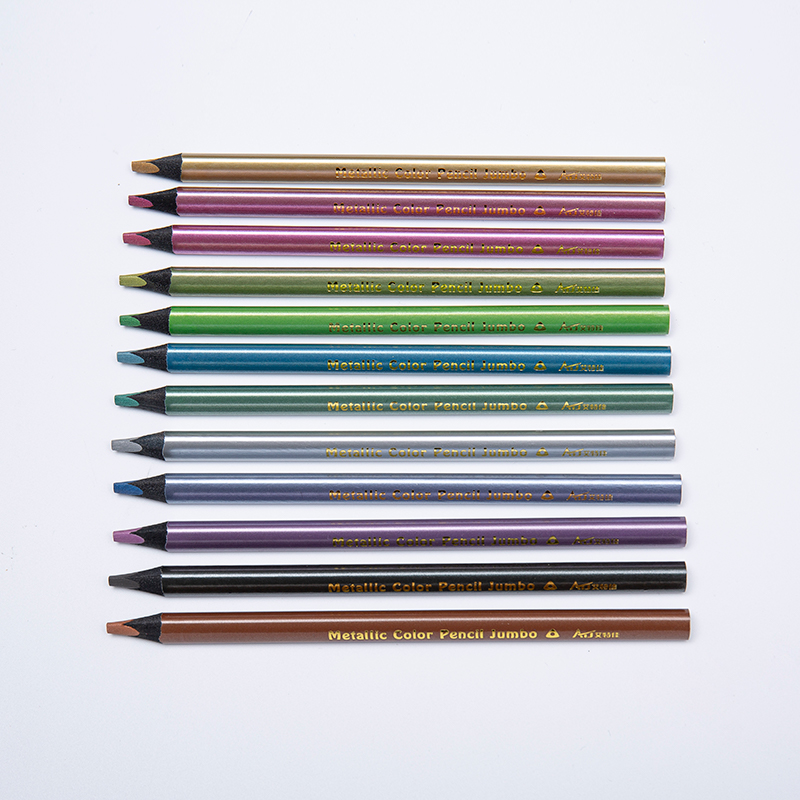 Jumbo Triangular Metallic Colored Pencils
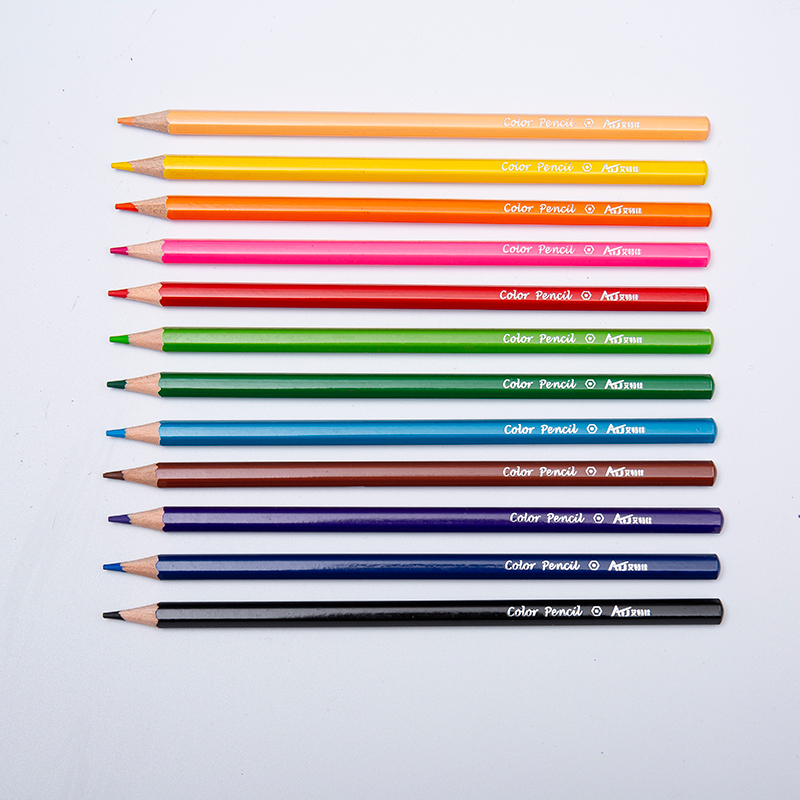 Students Hexagonal Wooden Watercolor Pencils
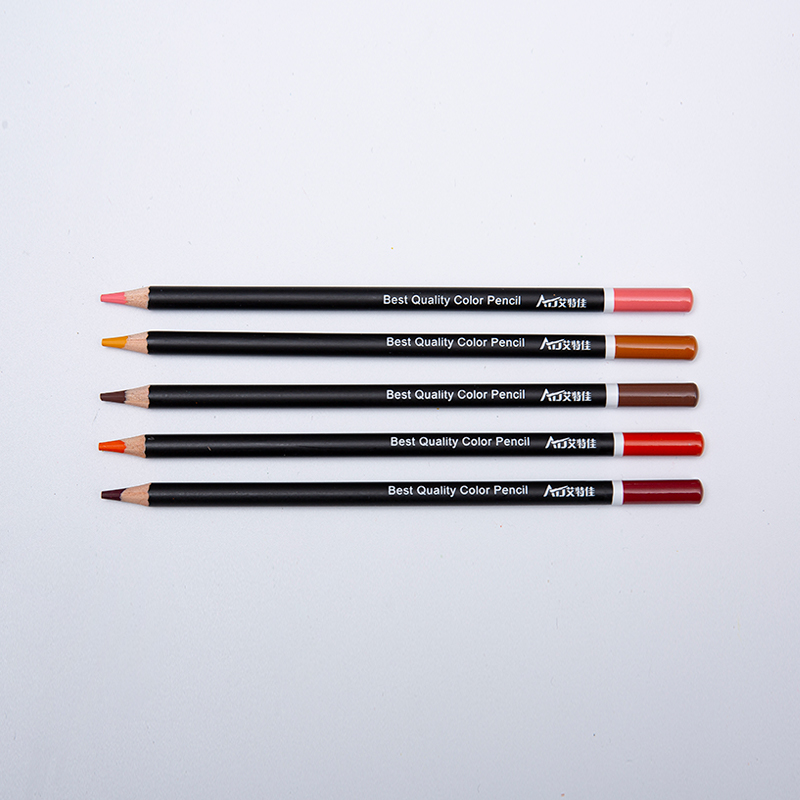 Eco-friendly Colored Pencils With Dipping End
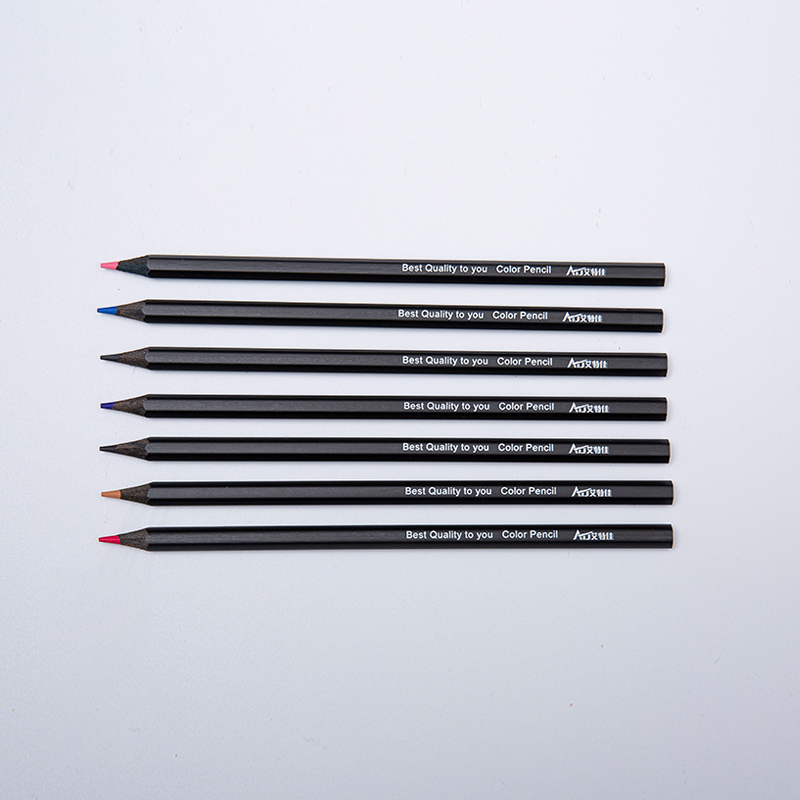 Professional Black Wood Hexagon Color Pencils
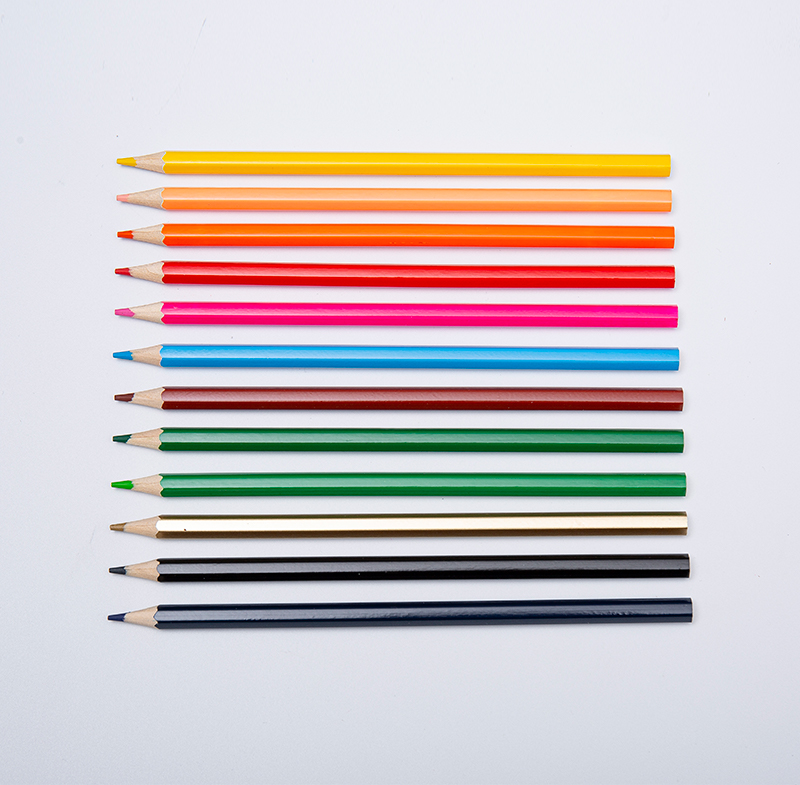 Hexagonal Drawing Colour Pencils for Children Adult
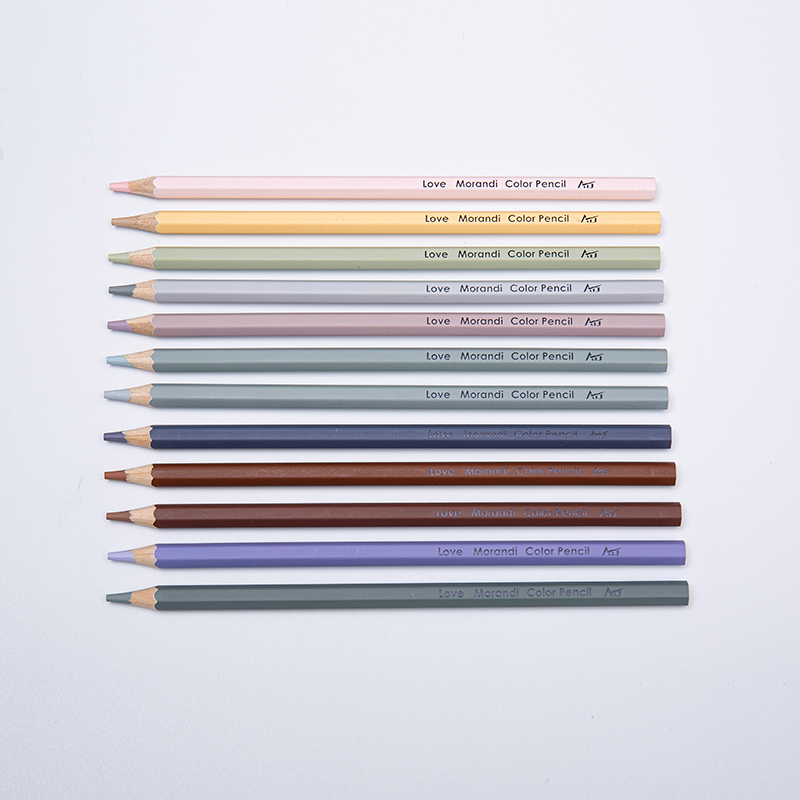 White Linden Morandi Colored Pencils
© Aitejia Stationery
No 32. Jinshan Avenus, Pingdu Industrial Zone, Qingyuan Country, Lishui, Zhejiang, China
+(86) 19857810299 / +(86) 578-6057586
Copyright ©Zhejiang Aitejia Stationery Co., Ltd. All Rights Reaerved.
Colored Wood Pencils Slats Factory

 Previous