

 English
 Français
 عربى
 Español
 中文简体
News
Home / Blogs / Industry News / Soft Poplar Pencil Slats Manufacturer: The Wood That Sharpens Without Splintering
A pencil is mostly wood. The graphite gets the attention, but the slats around it carry the structure. They hold the core straight, sharpen cleanly, and survive the drop onto the classroom floor. A soft poplar pencil slats manufacturer cuts, dries, and grooves the poplar that becomes the pencil body. The poplar is not the cedar, but it has taken over much of the school and promotional pencil market, and the slat quality decides whether the pencil sharpens smooth or tears apart in the sharpener.
Cedar was the standard for a century. It sharpens beautifully, resists cracking, and has the smell that people associate with a pencil. It is also getting scarcer and more expensive every year.
Poplar is the substitute. It is lighter in color, slightly softer, and more available. The soft poplar pencil slats manufacturer that selects for the uniform grain and the controlled density produces the slat that sharpens close to the cedar standard.
Wood that is too dry absorbs the humidity from the air and the pencil warps after the assembly. Wood that is too wet shrinks as it dries and the lacquer cracks along the grain. The soft poplar pencil slats manufacturer dries the wood to a controlled moisture content, usually between eight and twelve percent, and holds it before the grooving and the gluing.
A pallet that leaves the factory at the right moisture can still arrive wrong if the container cycles through the temperature bad. The manufacturer that seals the pallets against the moisture protects the investment.
The two slats sandwich the graphite core in the groove. The groove depth, width, and alignment decide whether the core sits centered in the finished pencil. A groove that is too deep lets the glue squeeze into the channel and the core bonds off-center. A groove that is too shallow leaves the core loose.
The soft poplar pencil slats manufacturer cuts the grooves on the calibrated gang saws and inspects the depth against the core diameter.
The slats are glued into the sandwich and then shaped into the round or the hexagonal barrel. The glue line has to hold through the shaping and the lacquering. A slat with the internal stress or the hidden knot opens the glue line after the shaping.
Here is what a soft poplar pencil slats manufacturer has to deliver:
The pencil factory runs the slats through the grooving, the gluing, the shaping, and the finishing. The school pencil, the promotional pencil, and the budget artist pencil all start with the same slat.
The slat warps because the moisture content was wrong. The soft poplar pencil slats manufacturer that controls the drying holds the straight. The groove is off-center because the gang saw drifted. The core bonds to the one side and the pencil sharpens unevenly.
A soft poplar pencil slats manufacturer produces the wood that disappears into the pencil. The grain, the moisture, and the groove decide the result. Choose a manufacturer that controls all three.
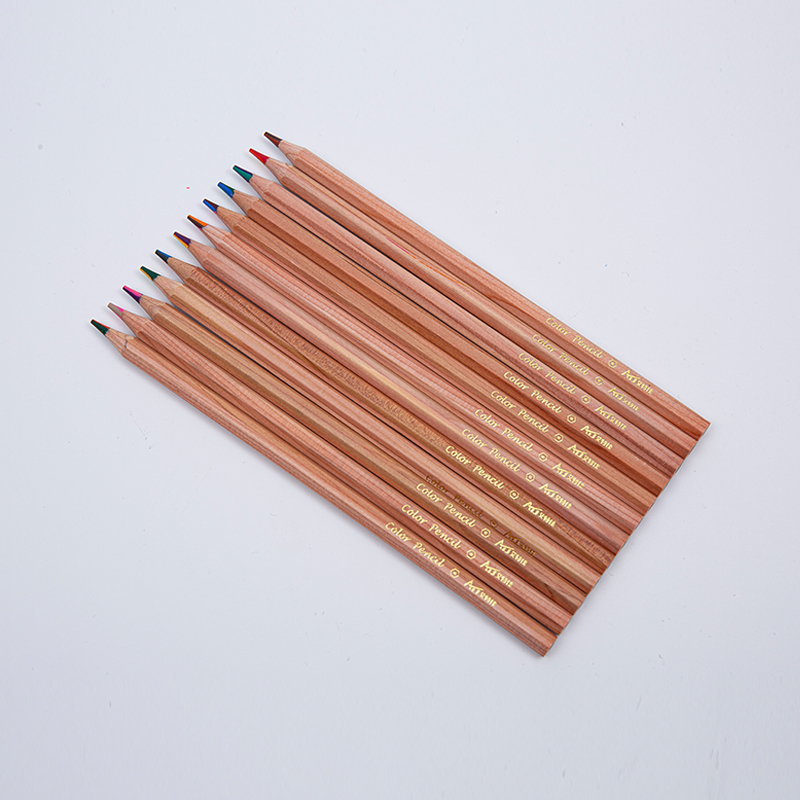
If you have any questions, please fill out the contact form at the bottom of the page and contact us.
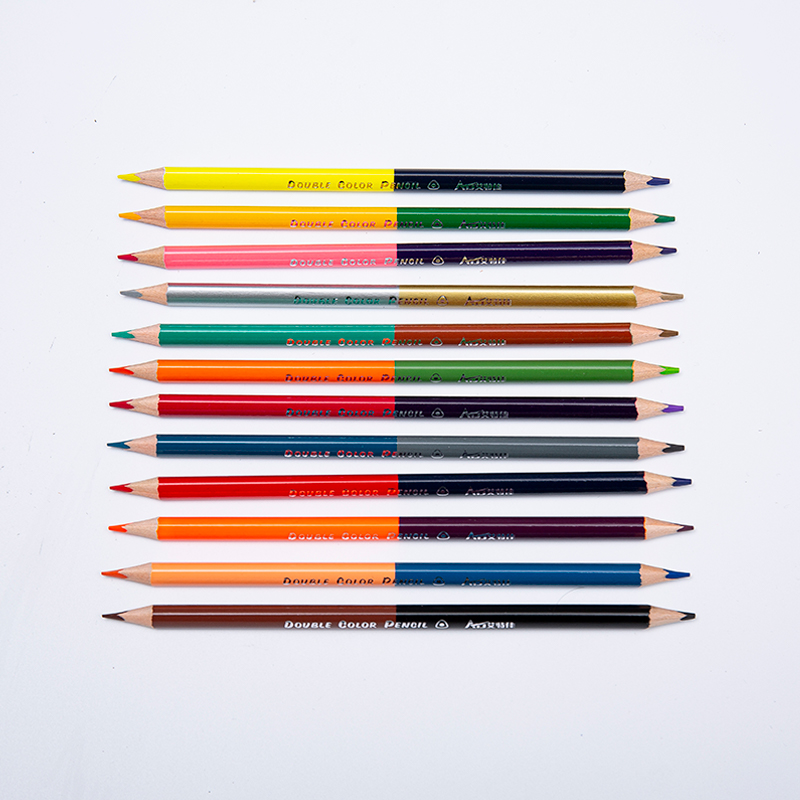 24 Colors Kids Double Ended Wood Color Pencils
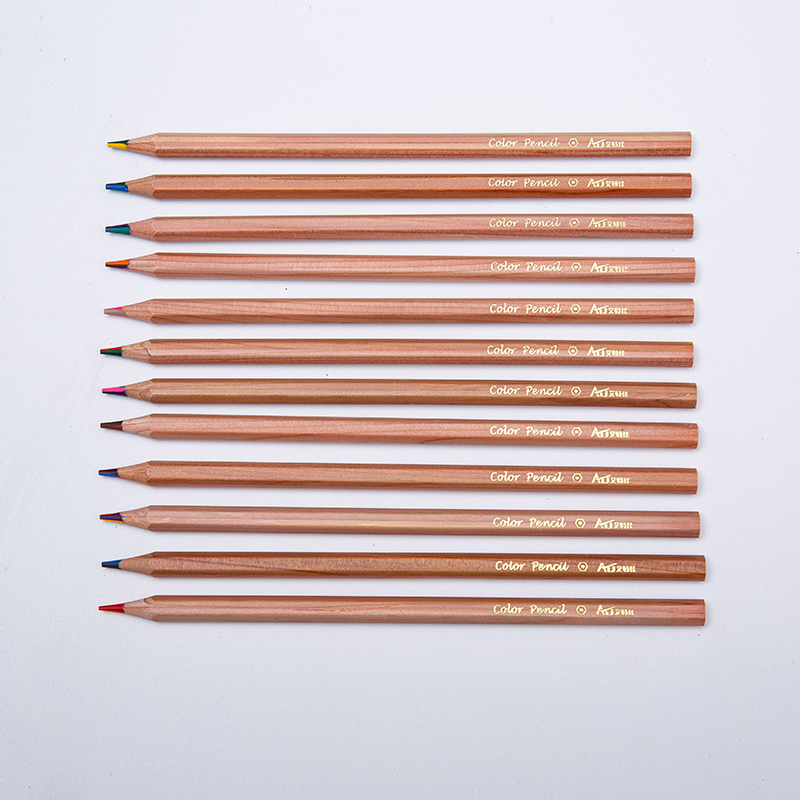 Cedar Wooden Mixed Color Pencils
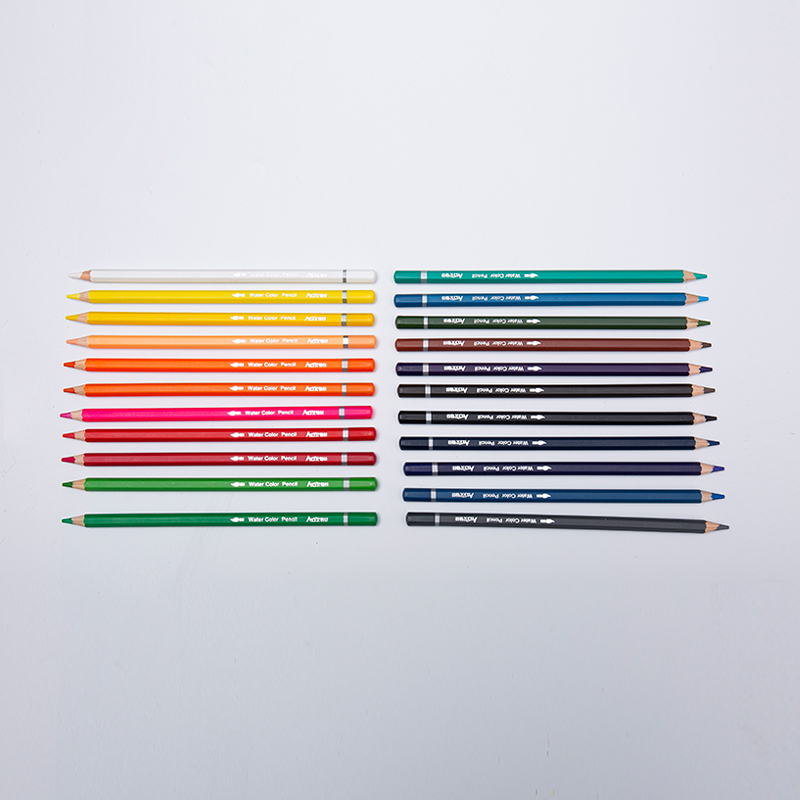 Hexagonal Watercolour Pencils for Children Drawing
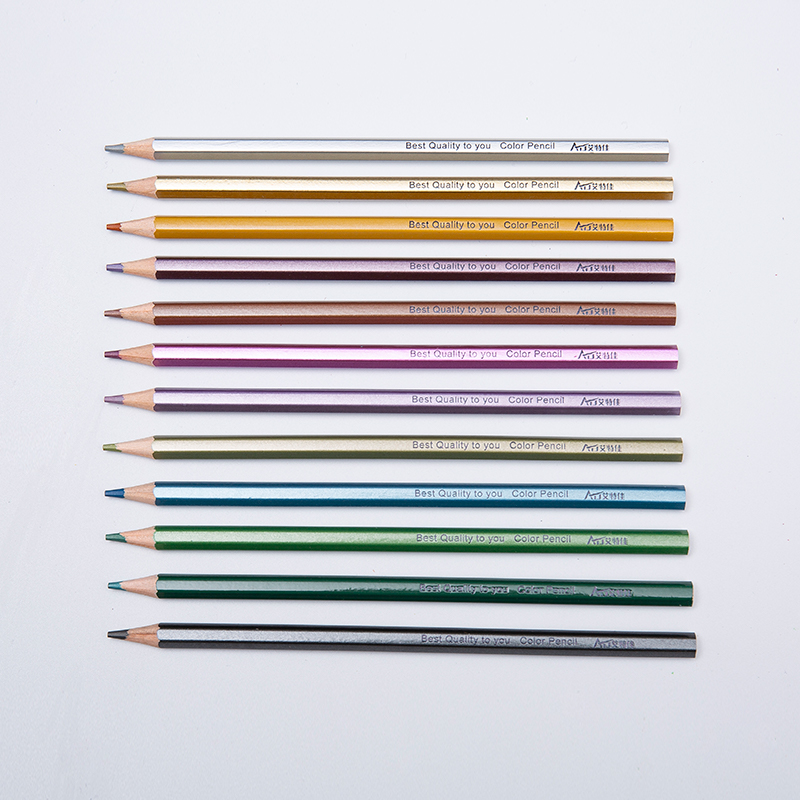 Metallic Colouring Pencils for Drawing
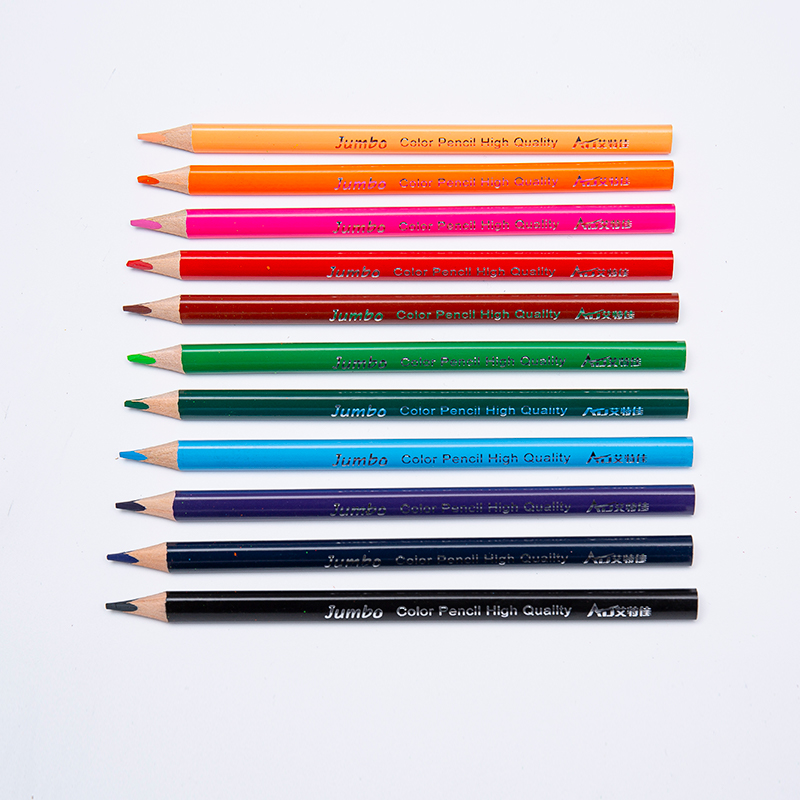 Natural Wood Jumbo Triangular Color Pencils
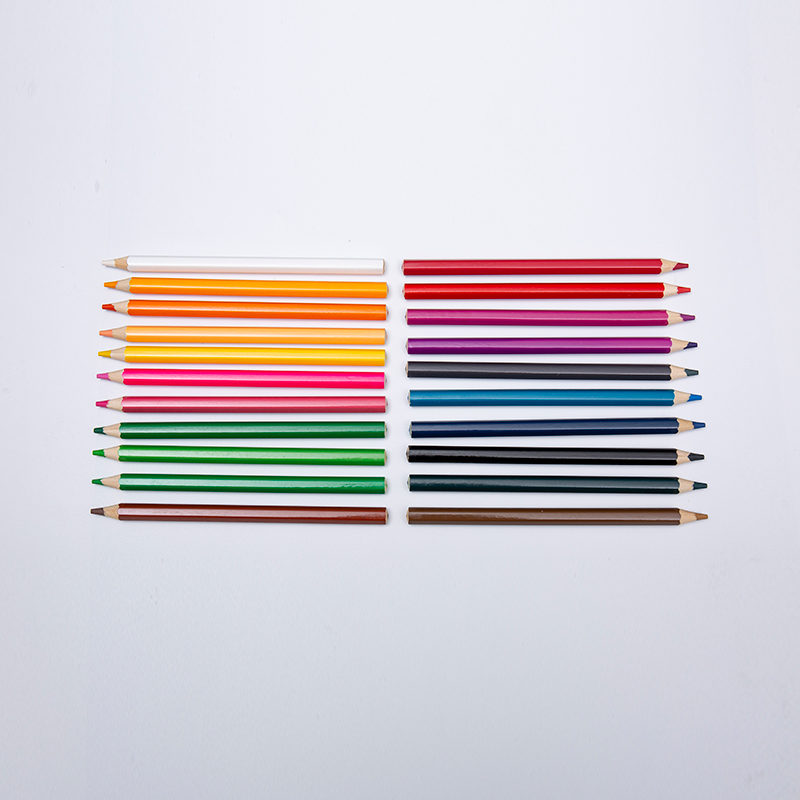 Hexagonal Jumbo Color Pencils
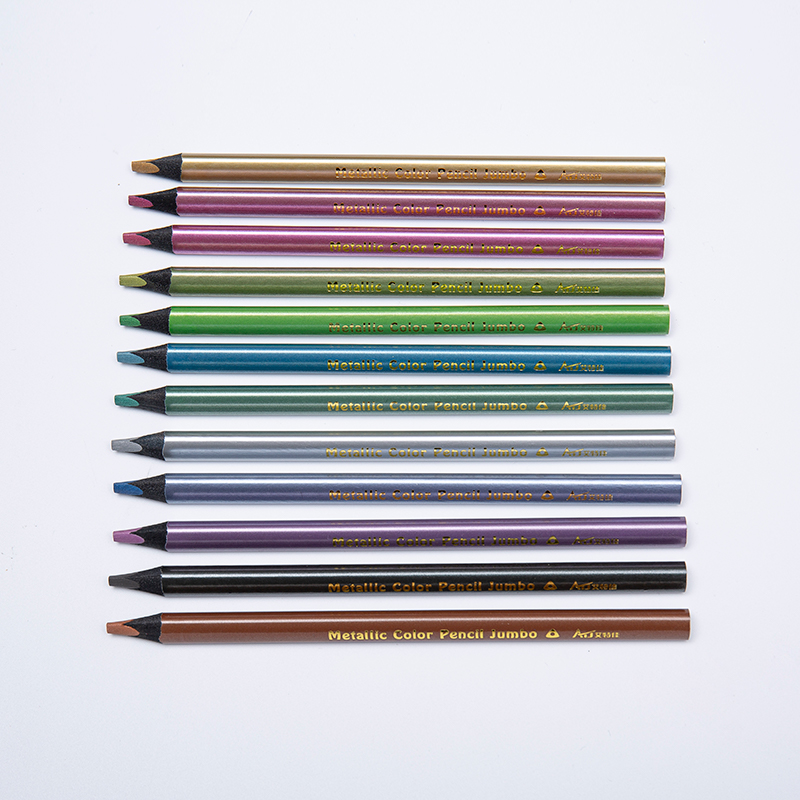 Jumbo Triangular Metallic Colored Pencils
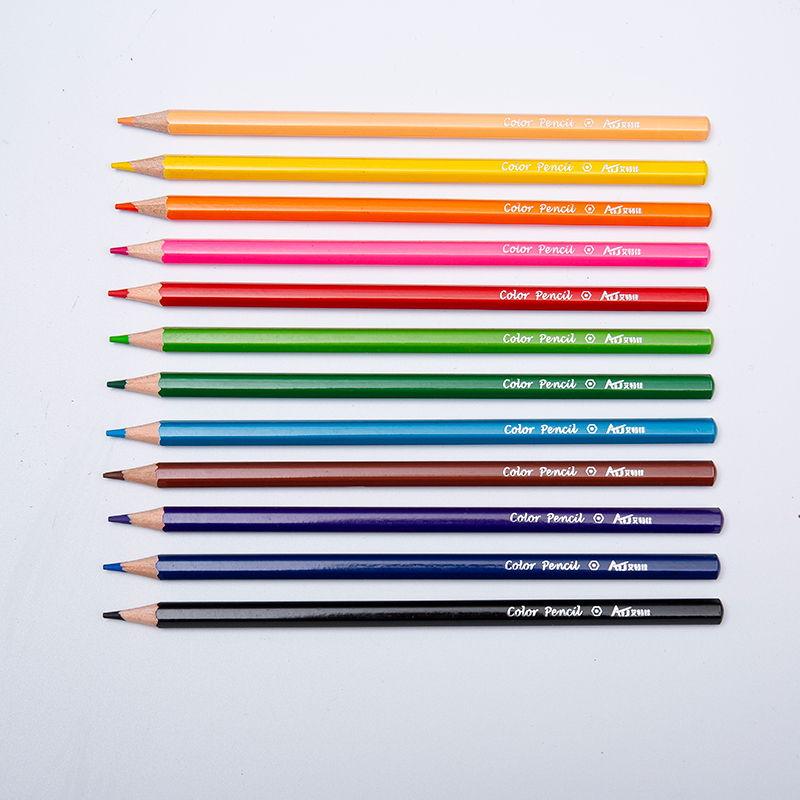 Students Hexagonal Wooden Watercolor Pencils
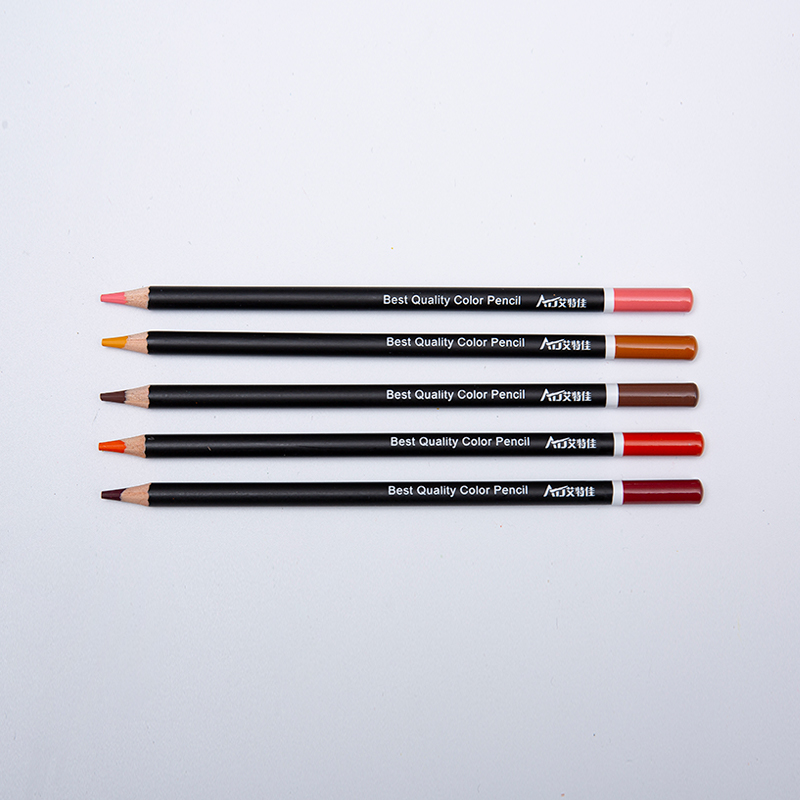 Eco-friendly Colored Pencils With Dipping End
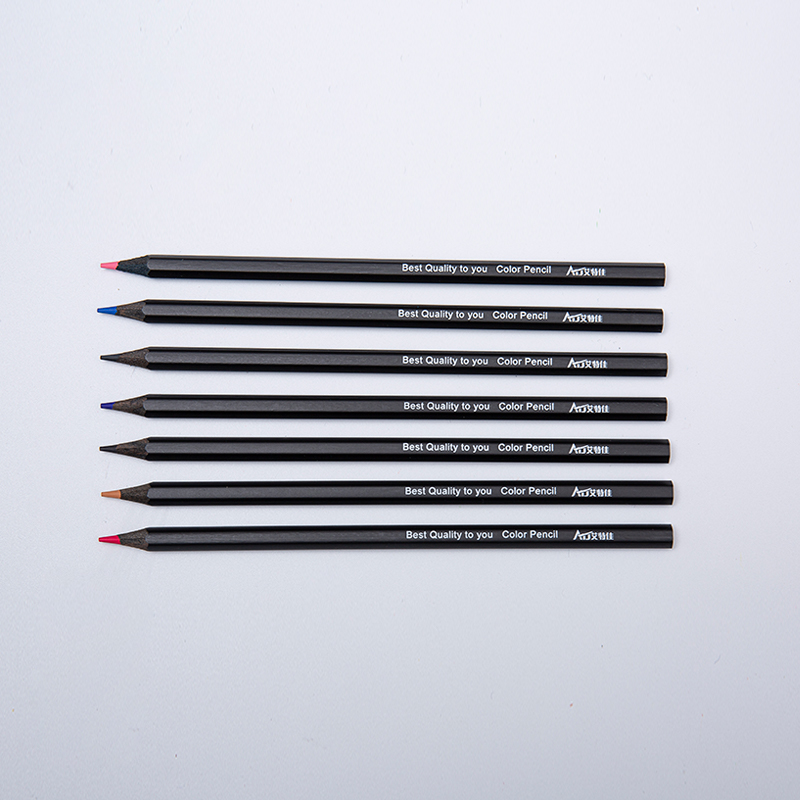 Professional Black Wood Hexagon Color Pencils
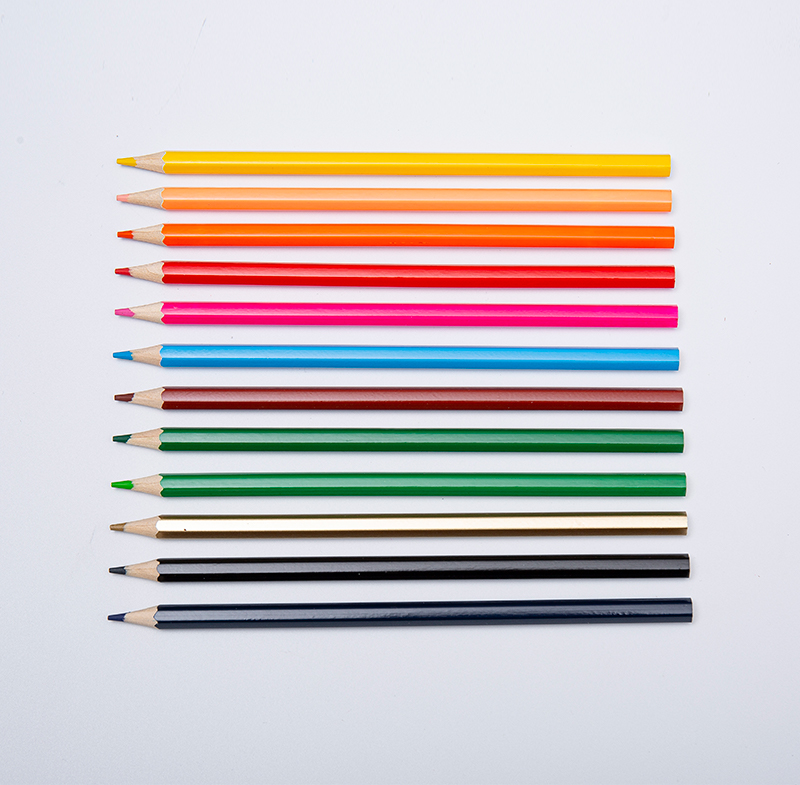 Hexagonal Drawing Colour Pencils for Children Adult
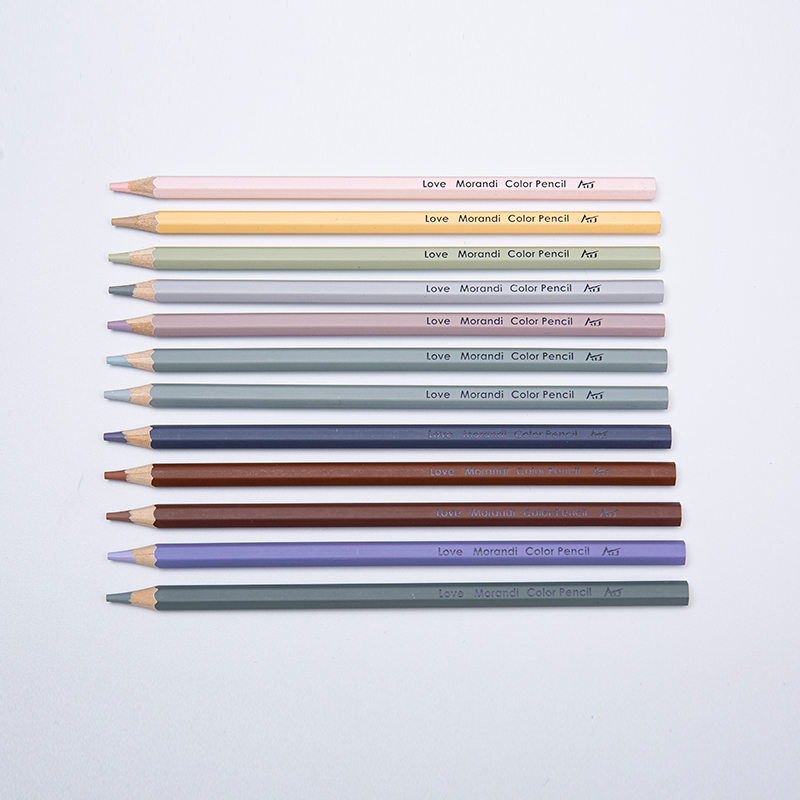 White Linden Morandi Colored Pencils
© Aitejia Stationery
No 32. Jinshan Avenus, Pingdu Industrial Zone, Qingyuan Country, Lishui, Zhejiang, China
+(86) 19857810299 / +(86) 578-6057586
Copyright ©Zhejiang Aitejia Stationery Co., Ltd. All Rights Reaerved.
Colored Wood Pencils Slats Factory

 Previous