

 English
  Français
 عربى
عربى Español
 中文简体
中文简体News
Home / Blogs / Industry News / What Makes Soft Linden Pencil Slats Suitable for School and Art Pencils?
Wooden pencil production depends heavily on raw material selection, especially when it comes to the outer casing that holds the graphite core. While quality often gets attention, the wooden body also influences sharpening behavior, durability, and writing comfort. In this context, Soft Linden Pencil Slats are widely used in pencil manufacturing due to their workable texture and stable structural properties.
Instead of treating wood as a simple shell, manufacturers consider it part of the writing system that affects user experience.
Linden wood has a fine and uniform grain structure, which makes it easier to cut, shape, and bond during production. This characteristic is important in high-volume pencil manufacturing where consistency matters across thousands of units.
Soft Linden Pencil Slats are often selected because they can be processed without excessive resistance during cutting or milling. This helps maintain smoother production lines and reduces tool wear in factories.
They are commonly used in:
Each application may require slightly different wood density or coating treatment.
A pencil slat is a rectangular piece of wood that is later grooved to hold graphite cores. After grooving, another slat is glued on top to form a complete pencil body.
Soft Linden Pencil Slats are preferred in many production lines because their softness allows clean grooving without splitting. This helps maintain alignment when inserting graphite cores during assembly.
The process typically includes:
Each stage influences final product consistency.
While the graphite core determines writing darkness, the wooden casing affects how the pencil feels in hand and how it sharpens. A poorly selected wood type may cause uneven sharpening or rough edges.
Soft Linden Pencil Slats offer a balance between softness and stability, allowing smooth sharpening without excessive splintering. This makes them suitable for students, office users, and artists who frequently sharpen pencils during use.
In long writing sessions, consistent sharpening quality can help maintain a stable writing rhythm without frequent interruptions.
In large-scale pencil factories, production speed and tool durability are important operational factors. Harder wood types can increase wear on cutting tools and slow down grooving processes.
Soft Linden Pencil Slats reduce resistance during machining, which helps maintain steady production flow. This does not eliminate maintenance needs but may reduce frequency of tool replacement compared to denser wood types.
Factories often adjust drying time and humidity control to keep slats within workable conditions for machining.
After shaping, pencil slats may undergo surface treatment before final assembly. This can include priming, painting, or coating depending on product design.
Soft Linden Pencil Slats accept coatings evenly due to their fine grain texture. This allows uniform paint application and smoother finishing results, especially for colored pencils or branded stationery products.
Color consistency is important for retail packaging and school supply sets where visual uniformity is expected.
Wood sourcing is an important consideration in pencil manufacturing. Linden trees are often cultivated in managed forestry systems, which support continuous supply for industrial use.
Soft Linden Pencil Slats are selected not only for machining properties but also for availability in large-scale production environments. Manufacturers often coordinate with suppliers to ensure stable material flow throughout production cycles.
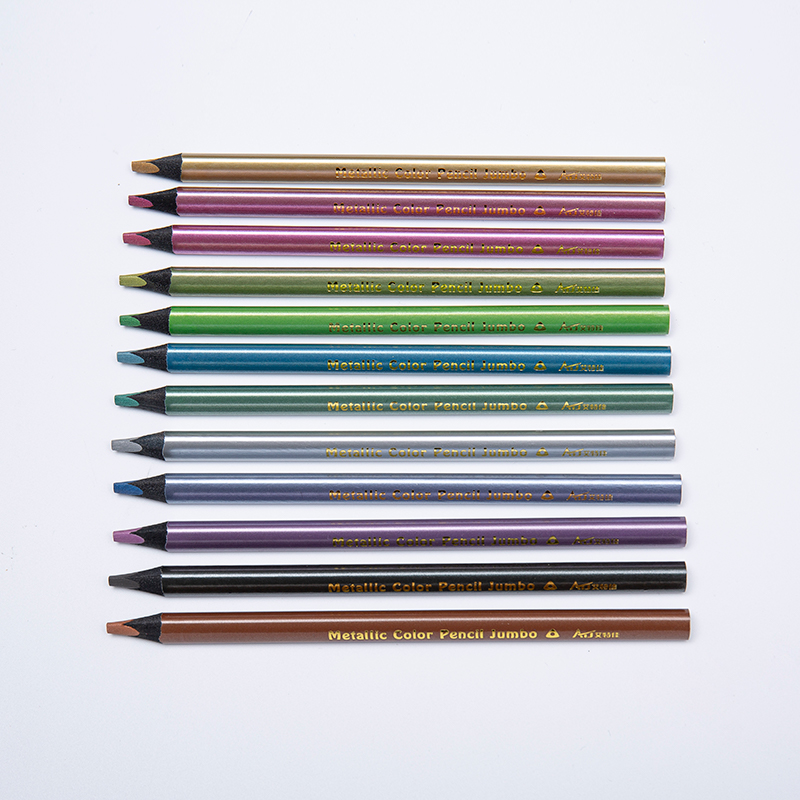
Pencil manufacturing involves more than graphite formulation. The wooden structure plays an important role in shaping user experience, production efficiency, and product consistency. Soft Linden Pencil Slats remain a commonly used material because they offer workable texture, stable machining behavior, and reliable finishing performance across different pencil types.
As stationery production continues to adapt to both educational and artistic markets, material selection like this remains a practical part of manufacturing planning.
If you have any questions, please fill out the contact form at the bottom of the page and contact us.
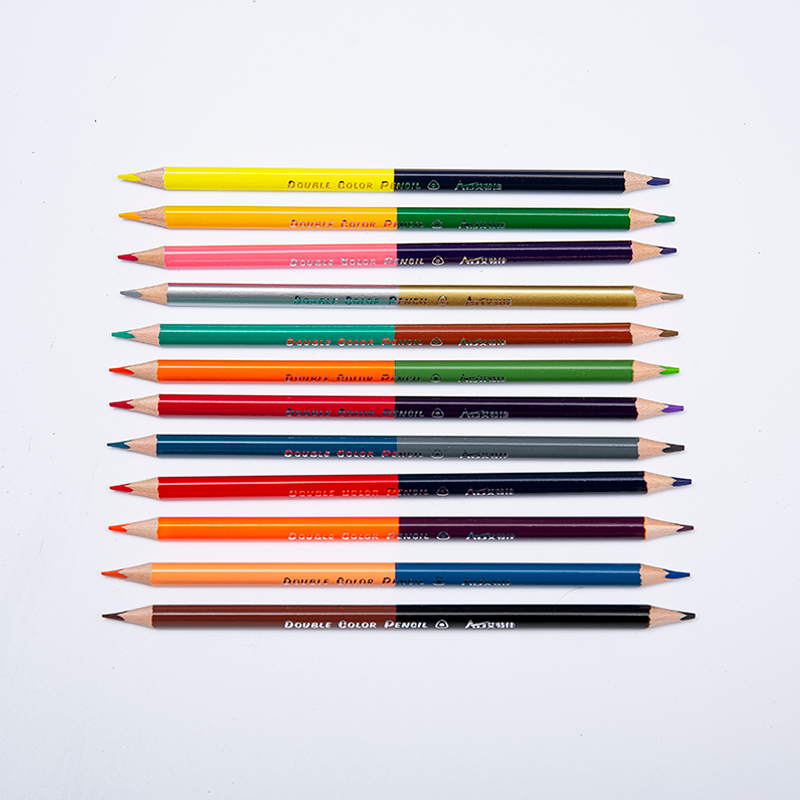 24 Colors Kids Double Ended Wood Color Pencils
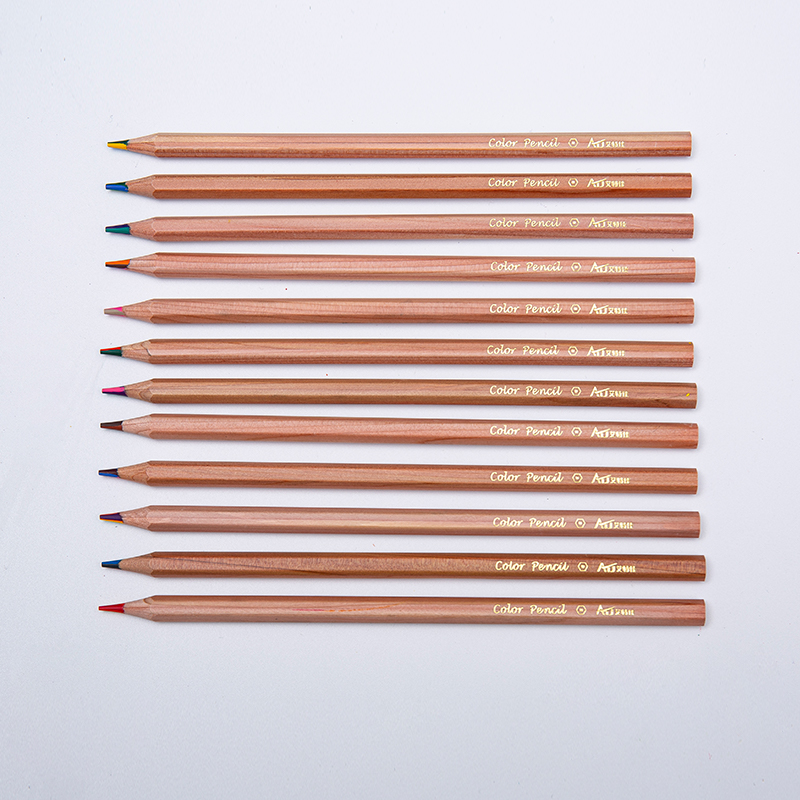 Cedar Wooden Mixed Color Pencils
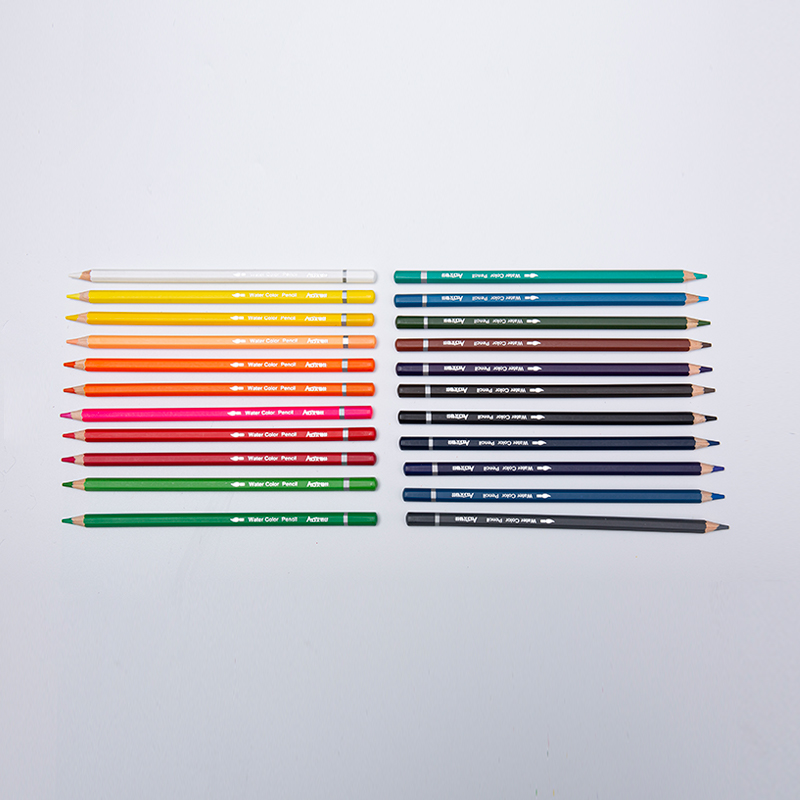 Hexagonal Watercolour Pencils for Children Drawing
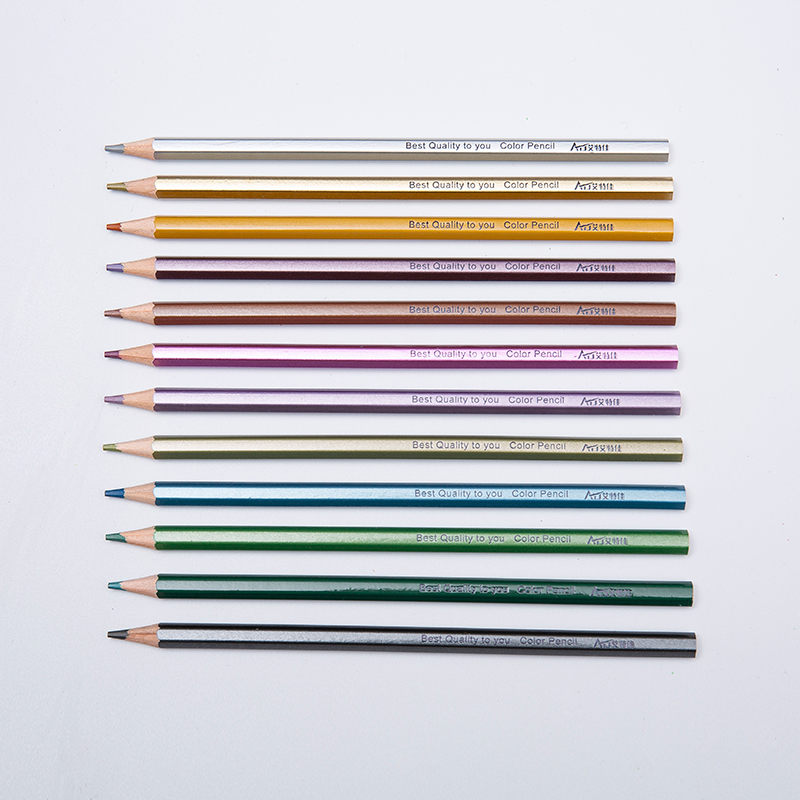 Metallic Colouring Pencils for Drawing
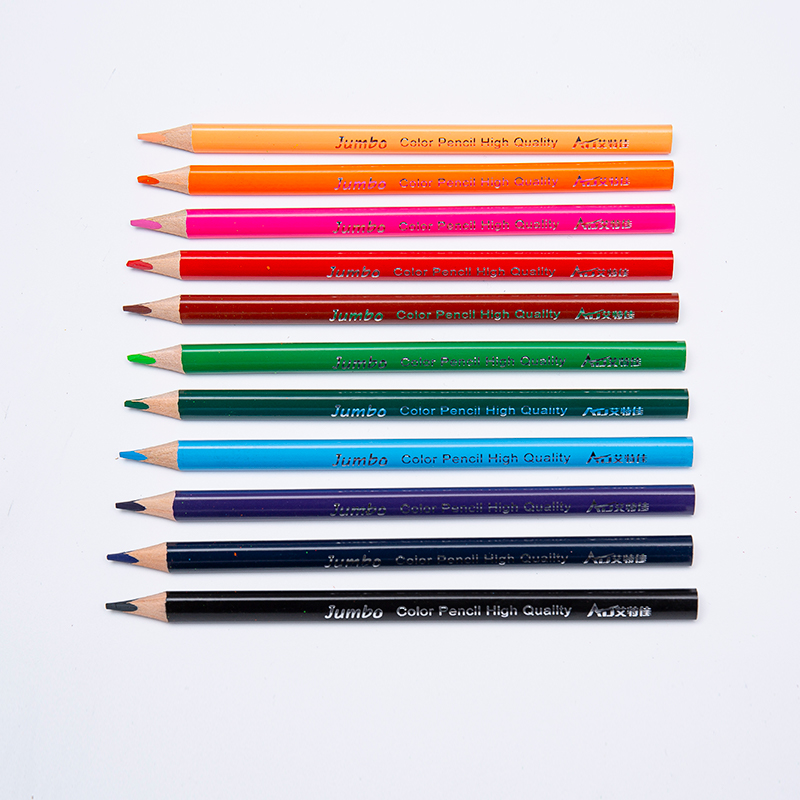 Natural Wood Jumbo Triangular Color Pencils
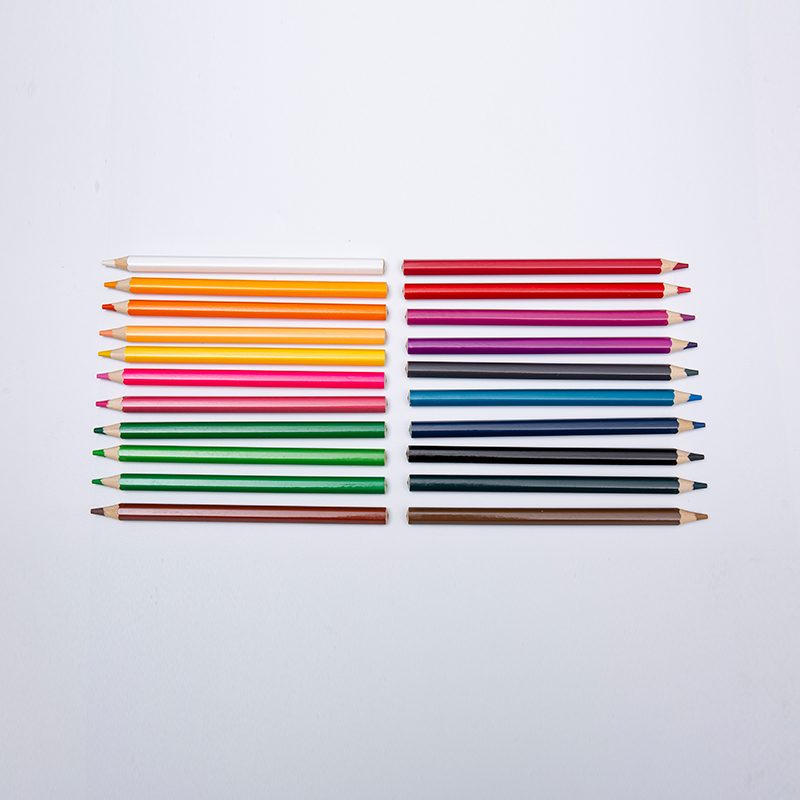 Hexagonal Jumbo Color Pencils
Jumbo Triangular Metallic Colored Pencils
Hexagonal Jumbo Color Pencils
Jumbo Triangular Metallic Colored Pencils
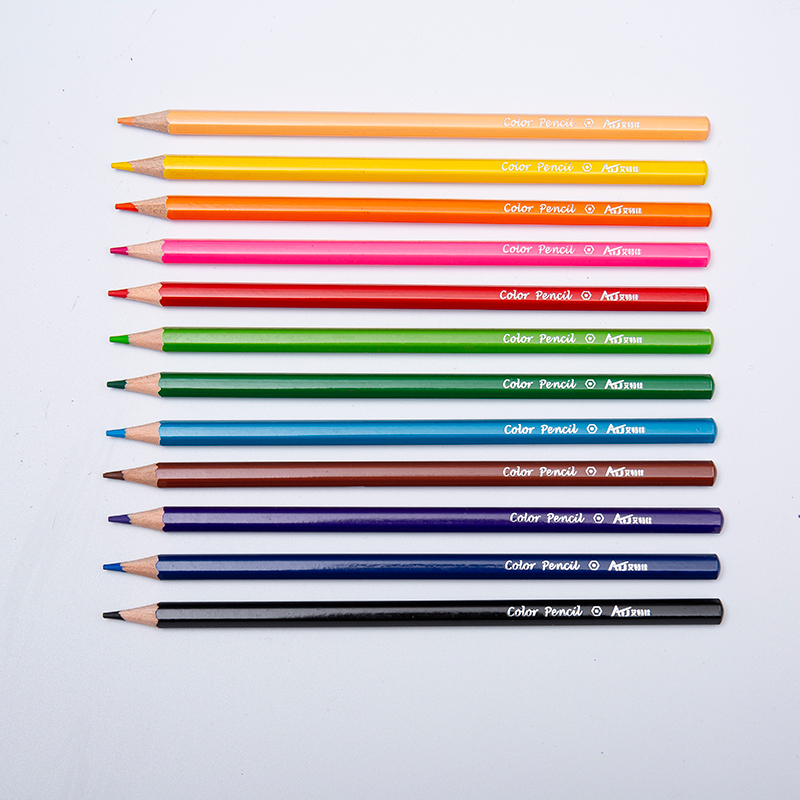 Students Hexagonal Wooden Watercolor Pencils
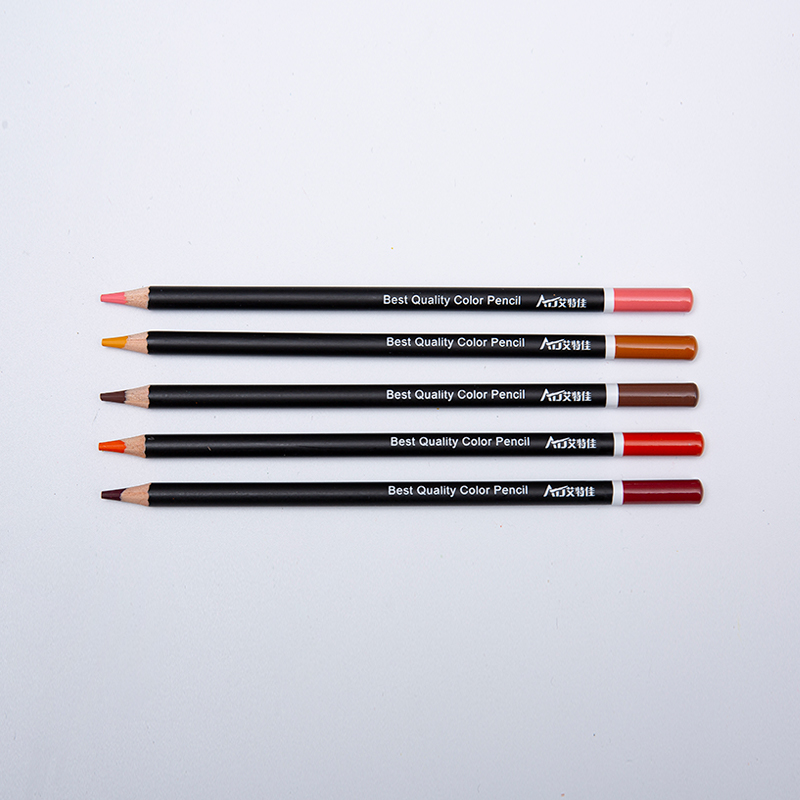 Eco-friendly Colored Pencils With Dipping End
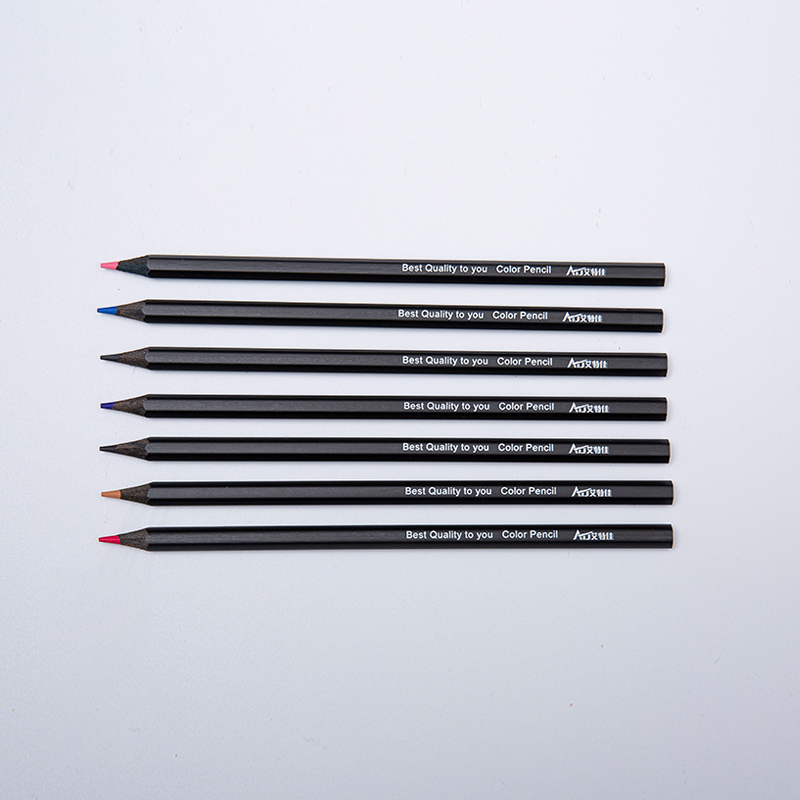 Professional Black Wood Hexagon Color Pencils
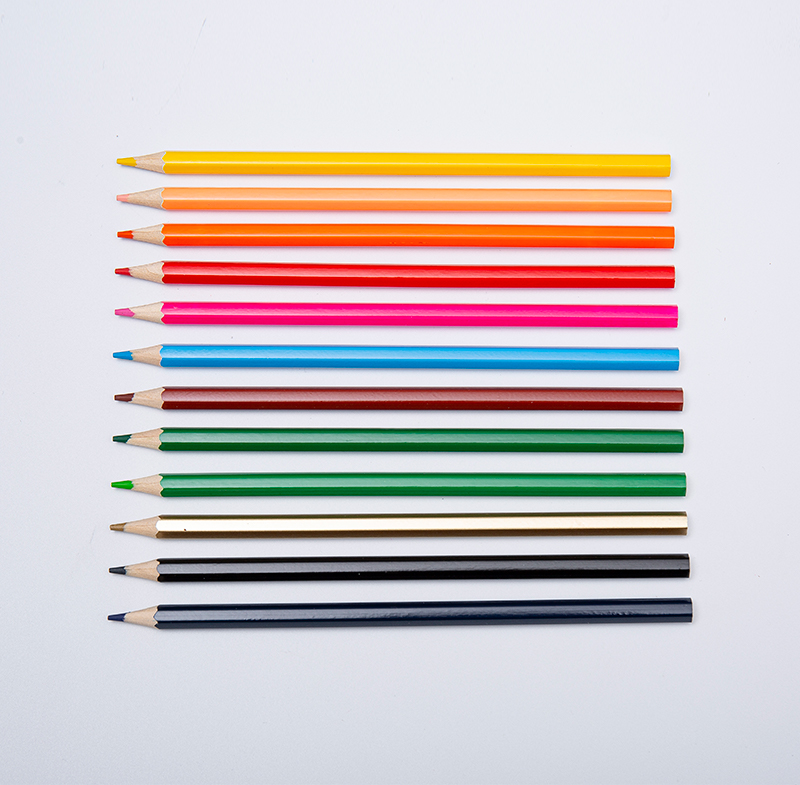 Hexagonal Drawing Colour Pencils for Children Adult
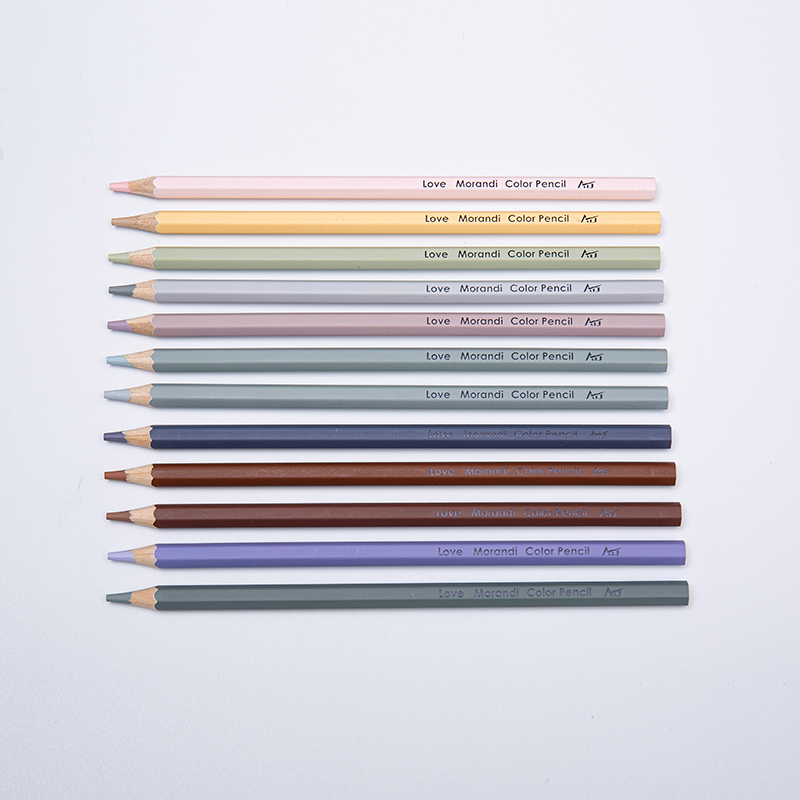 White Linden Morandi Colored Pencils
© Aitejia Stationery
No 32. Jinshan Avenus, Pingdu Industrial Zone, Qingyuan Country, Lishui, Zhejiang, China
+(86) 19857810299 / +(86) 578-6057586
Copyright ©Zhejiang Aitejia Stationery Co., Ltd. All Rights Reaerved.
Colored Wood Pencils Slats Factory

 Previous