

 English
  Français
 عربى
عربى Español
 中文简体
中文简体News
Home / Blogs / Industry News / How Are Pencil Slats Processed Before Becoming Finished Wooden Pencils?
Wooden pencils are simple tools used in schools, offices, and design work, yet their production involves several structured stages. One important component in this process is Pencil Slats, which form the base material used before pencils take their final shape.
Instead of shaping individual pencils from raw wood blocks, manufacturers rely on Pencil Slats as a prepared intermediate form that supports efficient production and consistent quality.
The production of Pencil Slats begins with selecting suitable wood types such as cedar or basswood. These materials are chosen for their straight grain and stable cutting behavior.
Once selected, logs are cut into thin rectangular boards. A Pencil Slats production line ensures these boards are sliced into uniform strips with controlled thickness and width.
Consistency in size is important because uneven slats can affect later steps such as grooving and insertion. After cutting, slats are inspected to remove pieces with knots or irregular grain patterns.
Moisture content plays a role in how wood behaves during processing. Freshly cut slats contain natural moisture that must be reduced before further use.
In Pencil Slats production, drying is usually done using controlled air drying or kiln systems. This step helps stabilize the wood and reduce deformation during later machining processes.
Proper drying also helps improve bonding when slats are glued together during pencil assembly.
After drying, Pencil Slats are planed and smoothed to achieve a uniform surface. This step prepares the material for precise machining.
A Pencil Slats unit then goes through grooving, where small channels are carved into the wood. These grooves hold graphite cores during pencil assembly.
Accuracy in groove spacing is important because it affects alignment when two slats are later joined together. If grooves are inconsistent, assembly issues may occur in later stages.
Once grooved, two Pencil Slats are paired together with graphite cores placed inside the grooves. Adhesive is applied between the slats before they are pressed together.
A Pencil Slats assembly stage focuses on alignment and pressure control. After pressing, the combined block is left to stabilize before moving to shaping and finishing processes.
This structure forms the core of what will later be cut into individual pencils.
After bonding, the assembled blocks are cut into individual pencil shapes. Machines shape the outer body into hexagonal, round, or triangular forms depending on product design.
In this stage, Pencil Slats have already served their role as the foundation of the pencil body, holding graphite cores in place during shaping.
Surface finishing, painting, and branding are applied after shaping to complete the pencil manufacturing process.
Manufacturers inspect Pencil Slats at multiple stages to maintain consistency in size, moisture level, and surface quality.
A Pencil Slats inspection process may include checking thickness uniformity and groove accuracy. Slats that do not meet requirements are removed before assembly.
This helps reduce issues during later stages such as cracking, misalignment, or uneven pencil shape.
Although they are not visible in finished products, Pencil Slats play a key role in pencil manufacturing. They serve as the structural base that supports graphite placement and final shaping.
Through controlled cutting, drying, and assembly processes, Pencil Slats contribute to the production of writing tools used in daily study, work, and creative activities.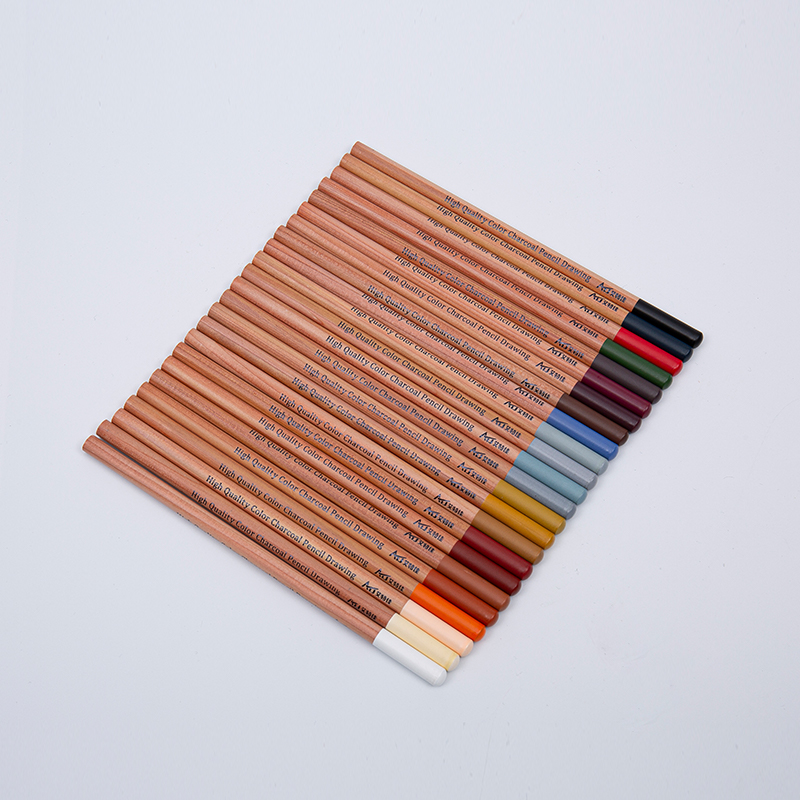
If you have any questions, please fill out the contact form at the bottom of the page and contact us.
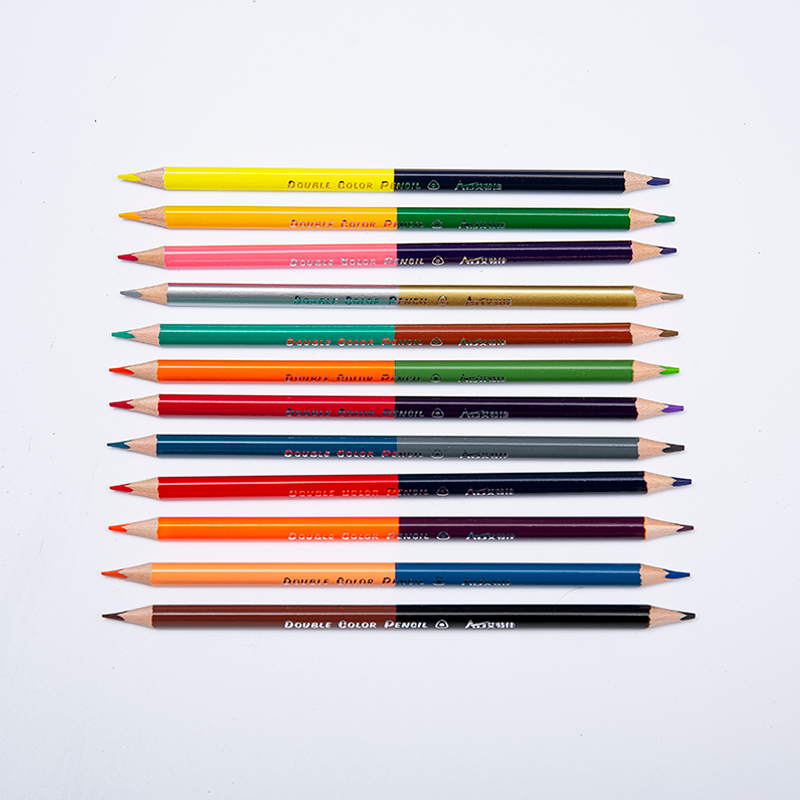 24 Colors Kids Double Ended Wood Color Pencils
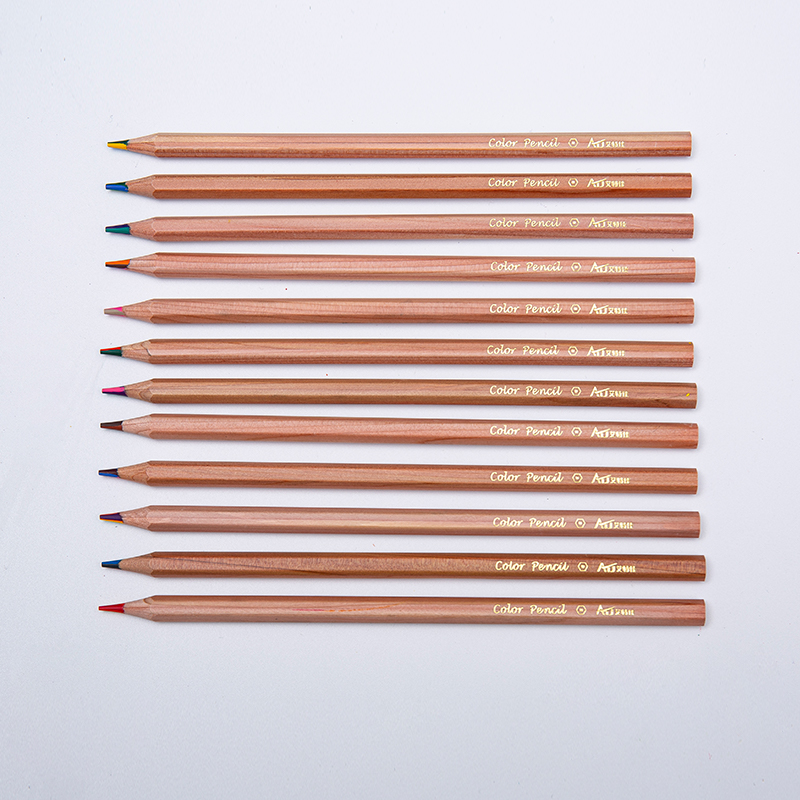 Cedar Wooden Mixed Color Pencils
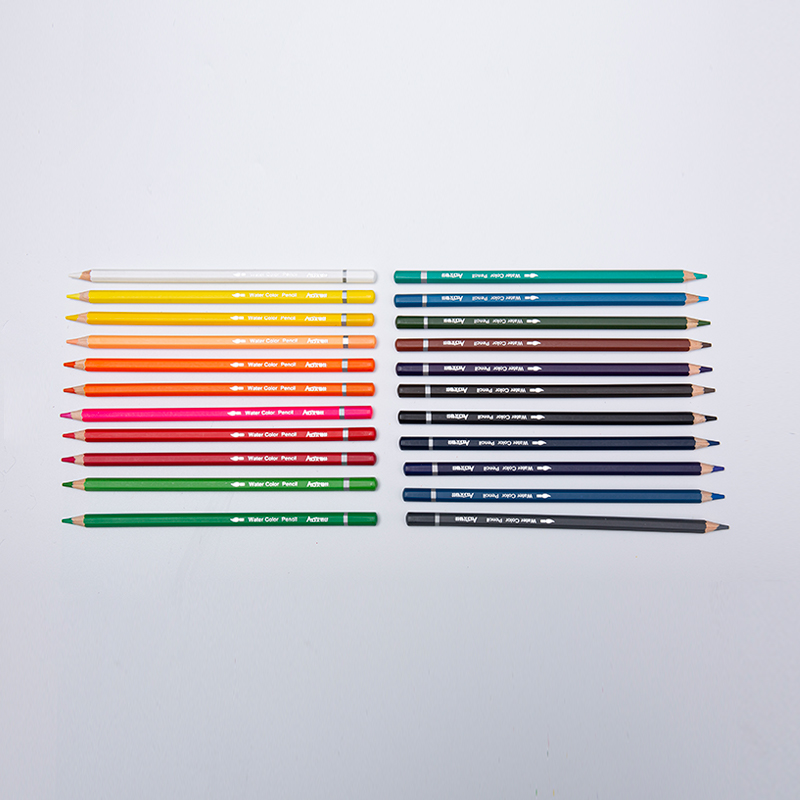 Hexagonal Watercolour Pencils for Children Drawing
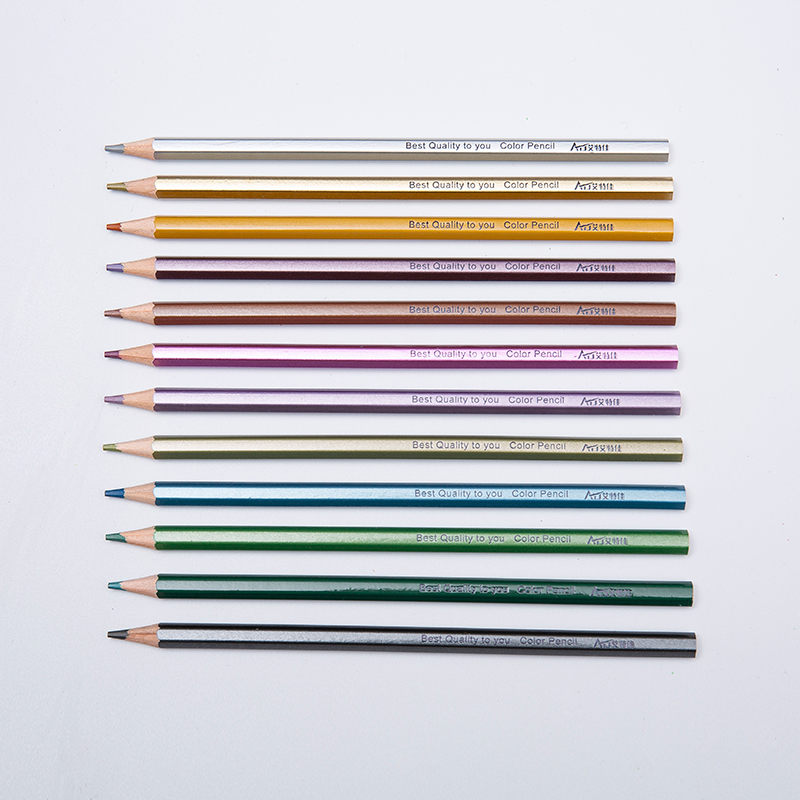 Metallic Colouring Pencils for Drawing
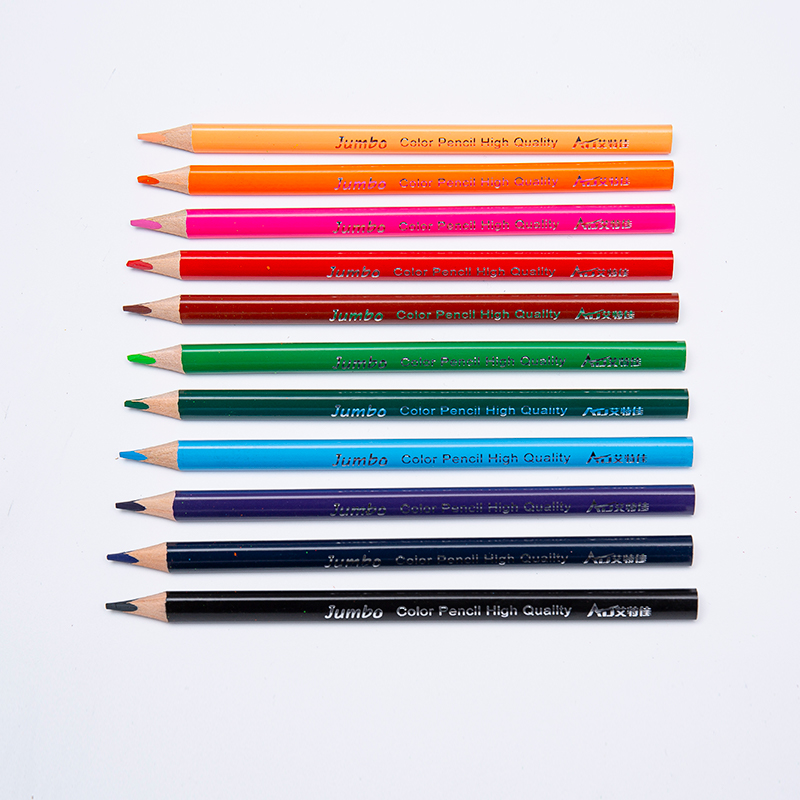 Natural Wood Jumbo Triangular Color Pencils
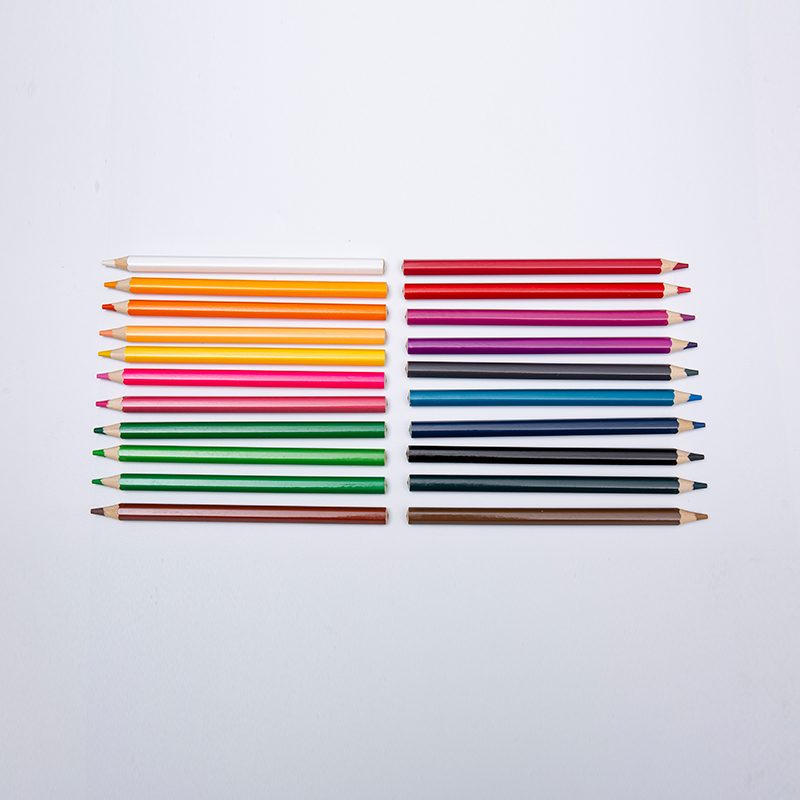 Hexagonal Jumbo Color Pencils
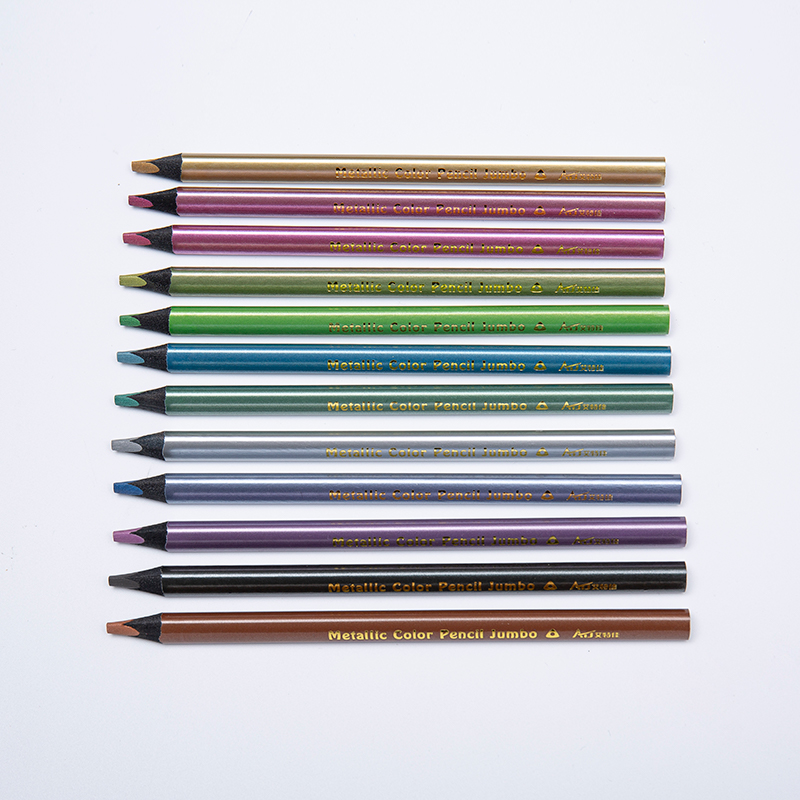 Jumbo Triangular Metallic Colored Pencils
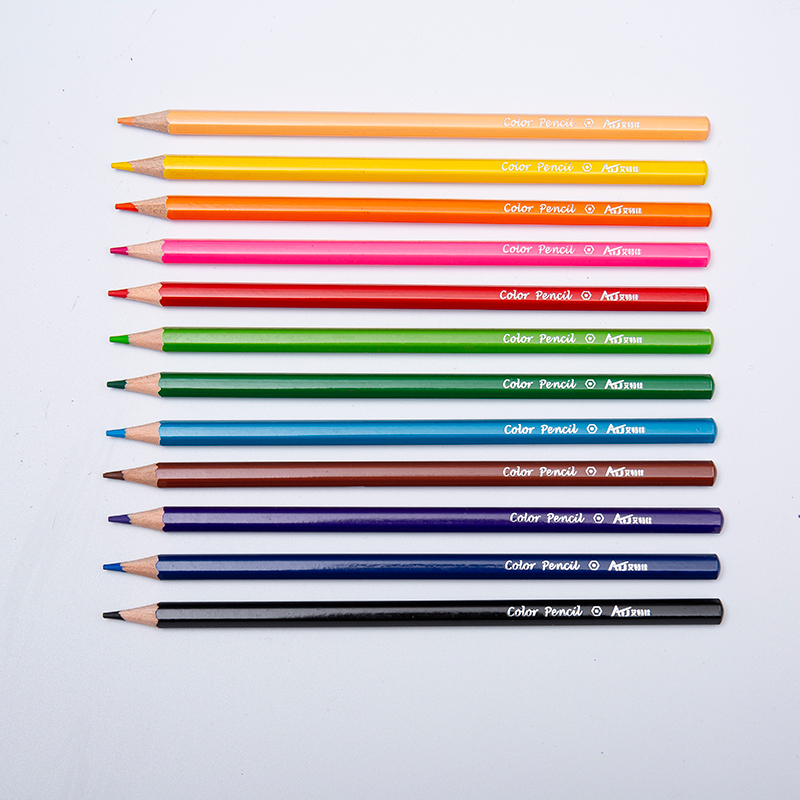 Students Hexagonal Wooden Watercolor Pencils
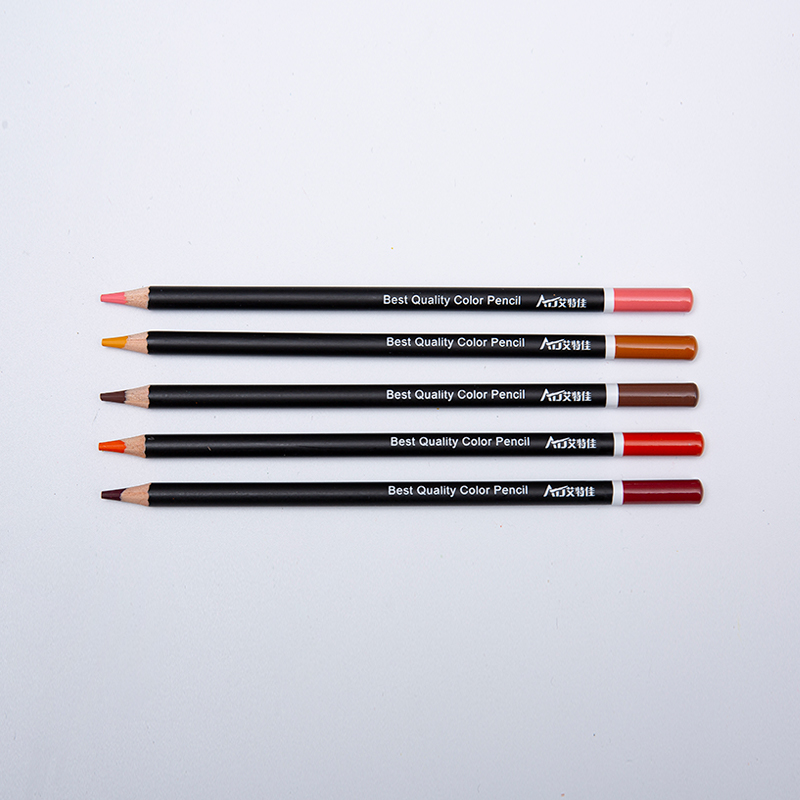 Eco-friendly Colored Pencils With Dipping End
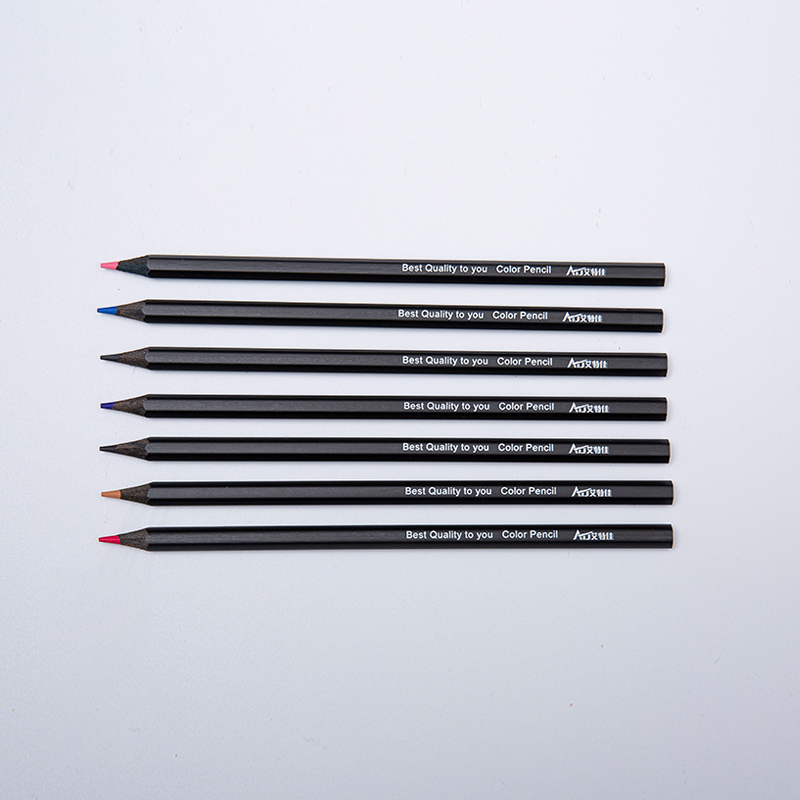 Professional Black Wood Hexagon Color Pencils
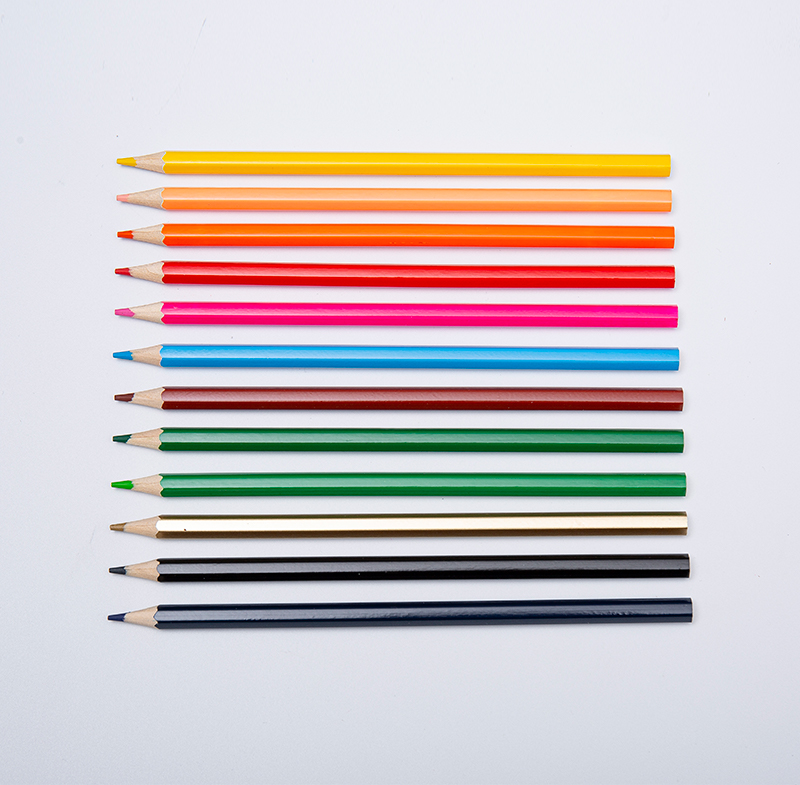 Hexagonal Drawing Colour Pencils for Children Adult
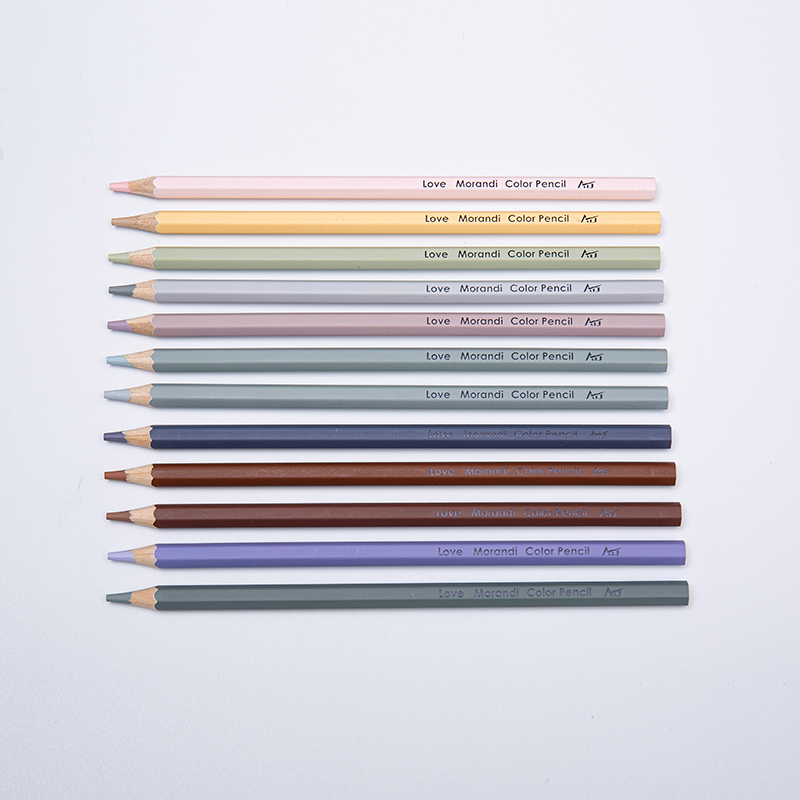 White Linden Morandi Colored Pencils
© Aitejia Stationery
No 32. Jinshan Avenus, Pingdu Industrial Zone, Qingyuan Country, Lishui, Zhejiang, China
+(86) 19857810299 / +(86) 578-6057586
Copyright ©Zhejiang Aitejia Stationery Co., Ltd. All Rights Reaerved.
Colored Wood Pencils Slats Factory

 Previous