
 English
  Français
 عربى
عربى Español
 中文简体
中文简体News
Soft Poplar Pencil Slats are a key starting point in wooden pencil production. Their condition influences how smoothly the rest of the manufacturing process runs. From cutting and shaping to final assembly, every later step depends on the stability of this early material stage.
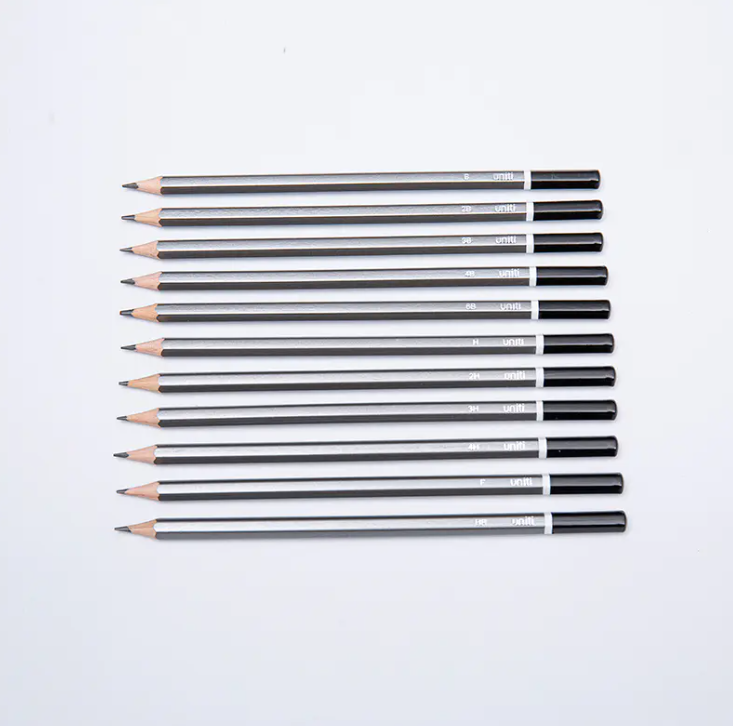
In modern pencil manufacturing, attention is not only on finished products. More focus is placed on raw material preparation. Pencil slats sit at the center of this process, linking forestry resources with final stationery products.
Why does raw wood selection matter so much?
The journey of a pencil slat begins with wood selection. The type of wood used sets the foundation for the entire product.
Different trees have different internal structures. Some are easier to cut cleanly. Some hold shape better after processing. Others may have uneven density, which can affect later shaping.
A stable internal structure helps the slat remain uniform during cutting and drying. If the material is inconsistent, small changes can appear later during machining.
Wood that is too hard may resist cutting tools. Wood that is too soft may lose shape. Balance is important at this stage.
How does moisture content influence slat stability?
Moisture inside the wood plays a major role in how pencil slats behave during production.
Wood that holds too much moisture can shift in shape after cutting. It may bend slightly or change size during storage. This can create difficulties in later processing stages.
On the other hand, wood that is too dry may become fragile. It can crack during cutting or handling.
A balanced condition helps the slat maintain its structure. It also improves how the material responds during shaping and grooving processes.
Consistency in moisture level across batches is important. Even small differences can Find to variation in final results.
What role does cutting precision play?
Once raw wood is selected and prepared, it is cut into slats. This step requires careful control.
Cutting determines the shape and uniformity of each piece. If the cut is uneven, the slats may not align properly in later stages.
Smooth edges help reduce waste during processing. Rough or irregular cuts may to breakage or rework.
Precision also affects how well the slats fit into production equipment. When dimensions are consistent, the workflow becomes more stable.
Even small deviations can create differences in downstream processing.
How does drying affect final slat quality?
Drying is a critical stage in slat preparation. It removes excess moisture and helps stabilize the material.
The process is not only about reducing water content. It also helps balance internal stress within the wood.
If drying is uneven, one part of the slat may shrink more than another. This can Find to bending or surface irregularities.
Controlled drying helps maintain shape and reduces later deformation.
The environment during this stage also matters. Airflow, temperature balance, and timing all influence the final outcome.
Why is surface smoothness important?
After cutting and drying, surface condition becomes more noticeable.
A smooth surface helps improve the next stages of production. It allows easier handling during grooving and shaping processes.
Rough surfaces can create resistance during machine contact. This may slow down production or cause uneven results.
Surface quality is also linked to visual appearance. Even though slats are not the final product, consistency matters for downstream branding and manufacturing standards.
Small imperfections at this stage may become more visible later in the production chain.
How does wood density affect machining performance?
Wood density influences how the slat reacts to tools and machines.
Uniform density allows for smoother cutting and shaping. It helps maintain steady resistance during processing.
If density varies within the same piece, different sections may respond differently during machining. This can Find to uneven grooves or structural imbalance.
Density also affects durability during handling. Slats with stable internal structure are less likely to break or deform during transport.
This factor is often considered alongside moisture and cutting precision when evaluating overall quality.
What environmental factors influence production consistency?
Environmental conditions during processing can have a subtle but important impact on slat quality.
Changes in humidity or temperature may affect how wood behaves during cutting and drying. Even small shifts can influence material stability.
Storage conditions before processing also matter. Wood that is stored in unstable environments may absorb or lose moisture unevenly.
Factories often aim to maintain stable conditions across production areas. This helps reduce variation between batches.
Consistency in environment supports consistency in output.
How does storage and handling affect final quality?
After production, pencil slats need to be stored before further processing.
Improper stacking or handling may cause bending or surface damage. Even light pressure over time can affect shape.
Good storage practices help maintain alignment and prevent deformation. Air circulation and proper spacing are often considered during storage design.
Handling during transport within the factory also plays a role. Smooth movement reduces the risk of edge damage or surface marks.
Slats that remain stable during storage are easier to use in later stages.
How do all these factors connect in production?
Each factor does not work alone. They are linked in a continuous chain.
Raw material selection affects cutting behavior. Cutting influences drying performance. Drying impacts surface stability. Storage reflects all earlier stages.
When one factor changes, others may also be affected. This connection makes slat quality a system rather than a single step.
Below is a simple overview of how these elements interact:
| Factor | Influence Area | Effect on Production |
|---|---|---|
| Wood selection | Material base | Structural consistency |
| Moisture balance | Stability | Shape retention |
| Cutting accuracy | Dimensional control | Processing smoothness |
| Drying process | Internal balance | Deformation control |
| Surface condition | Handling efficiency | Machine compatibility |
| Density uniformity | Machining response | Cutting consistency |
| Storage environment | Final stability | Product readiness |
Why does slat quality matter in pencil manufacturing?
Pencil slats are not visible in the final product, but they influence nearly every later step.
Stable slats make machining smoother. They reduce waste during production. They also help maintain consistent output across large batches.
When slats are uneven or unstable, later processes need more adjustment. This can affect production flow and product consistency.
For manufacturers, slat quality is closely linked to overall efficiency. It acts as the base layer of the entire pencil production system.
 Previous