
 English
  Français
 عربى
عربى Español
 中文简体
中文简体News
Wood Pencils Factory is often associated with a simple idea: making pencils. In reality, their production scope is wider. These factories usually operate as structured manufacturing units that handle multiple product types, materials, and design variations. The output is shaped by school needs, office use, art applications, and customized branding demands.
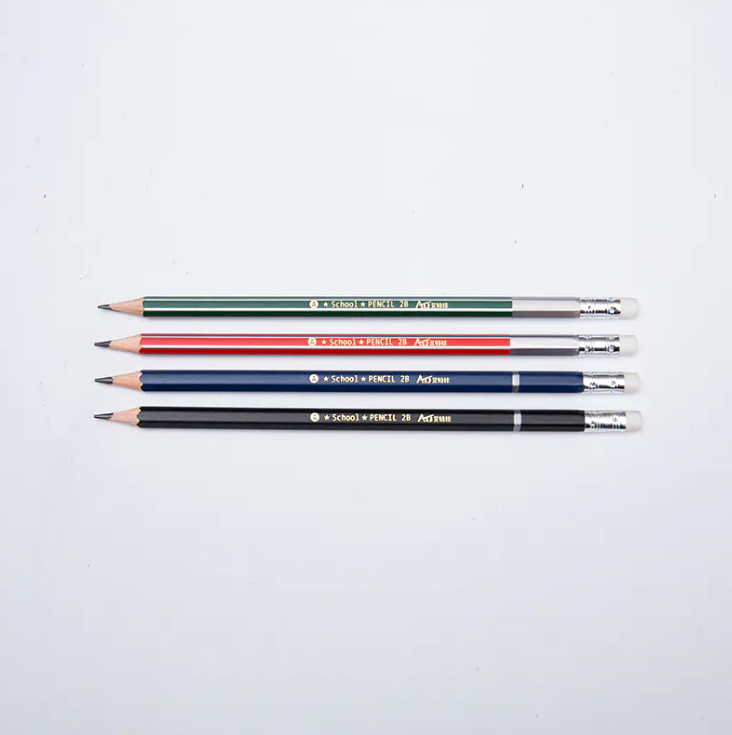
The production line is flexible. It adapts to different markets and usage habits. While the core product remains the wooden pencil, the variety around it has expanded over time.
What are the main types of wooden pencils?
Wood pencil factories commonly produce several core pencil categories. Each type serves a different writing or drawing purpose.
The familiar is the standard writing pencil. It is designed for everyday use in schools, offices, and general note-taking. It is simple in structure and widely distributed across markets.
Another category is drawing or sketch pencils. These are often used in creative fields where line variation and shading matter more. The internal material and outer finish may vary slightly depending on intended use.
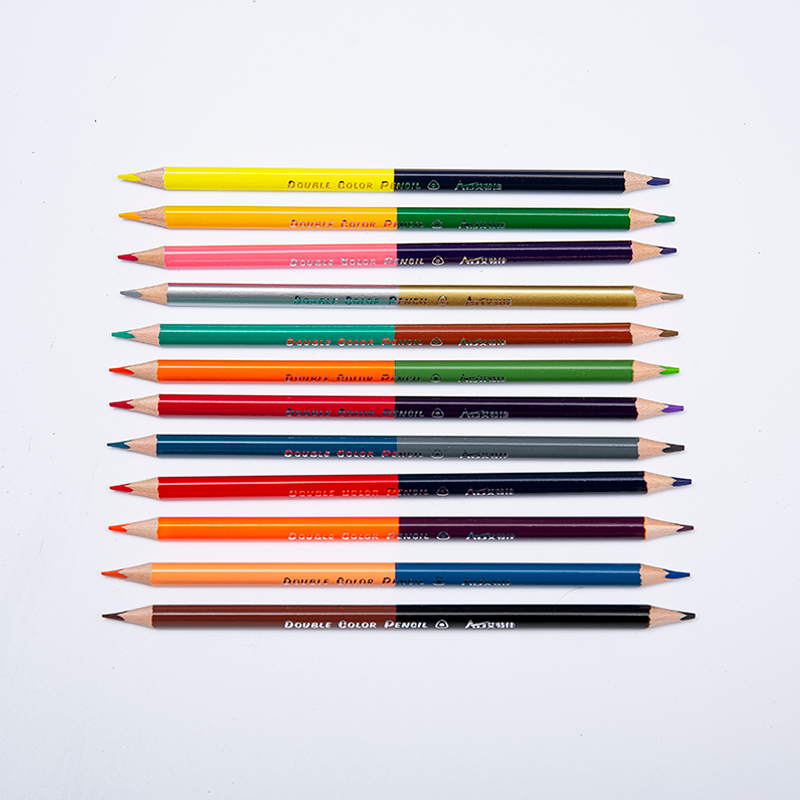
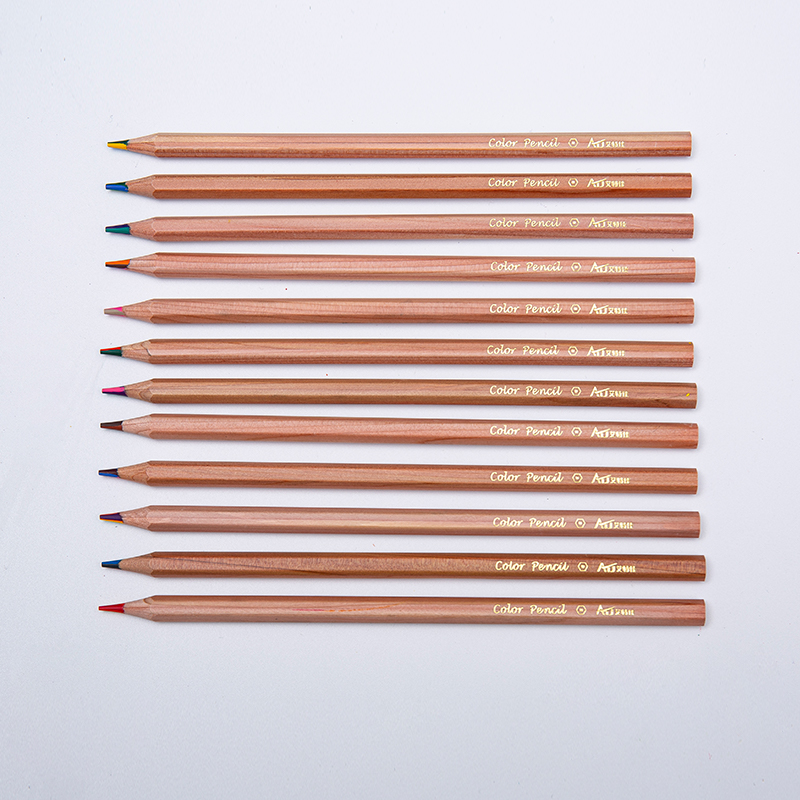
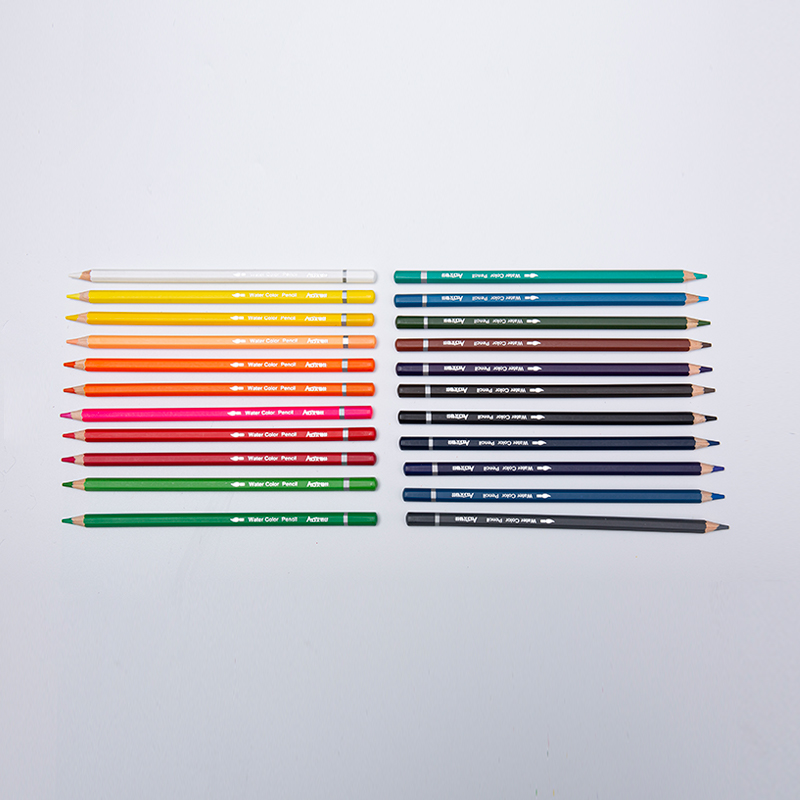
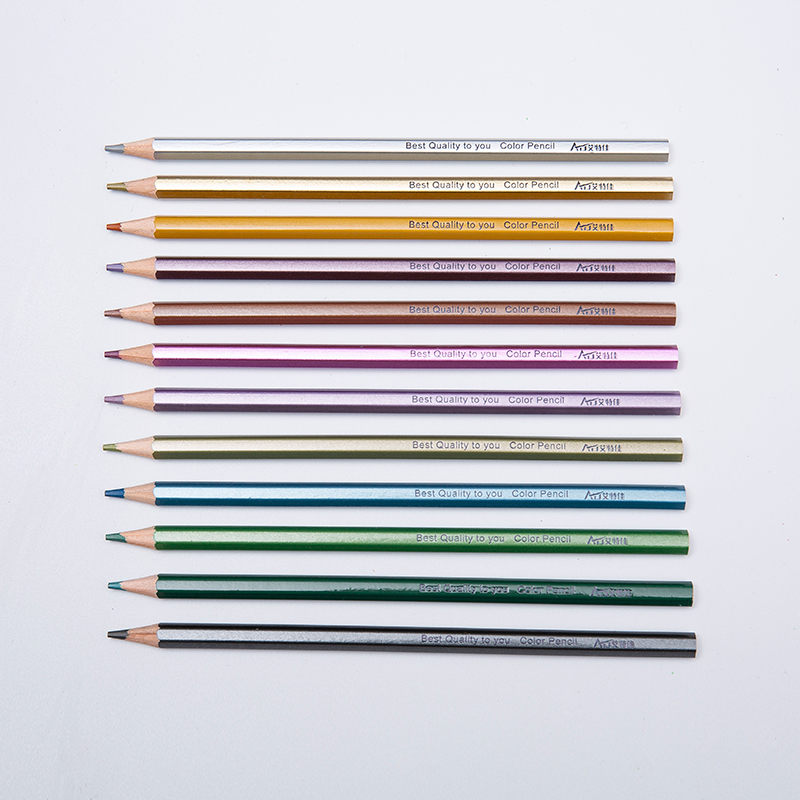
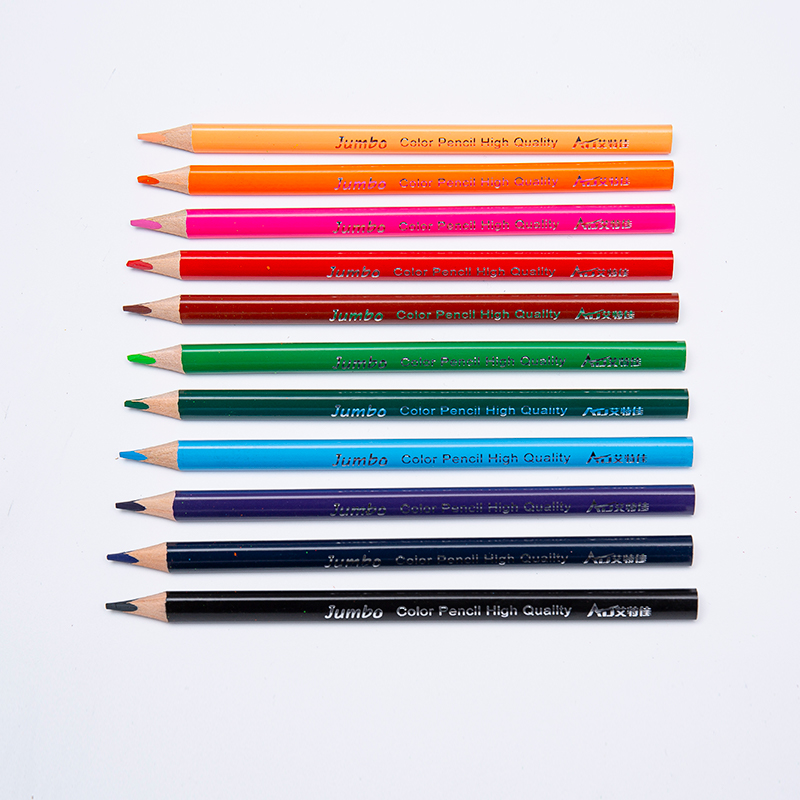
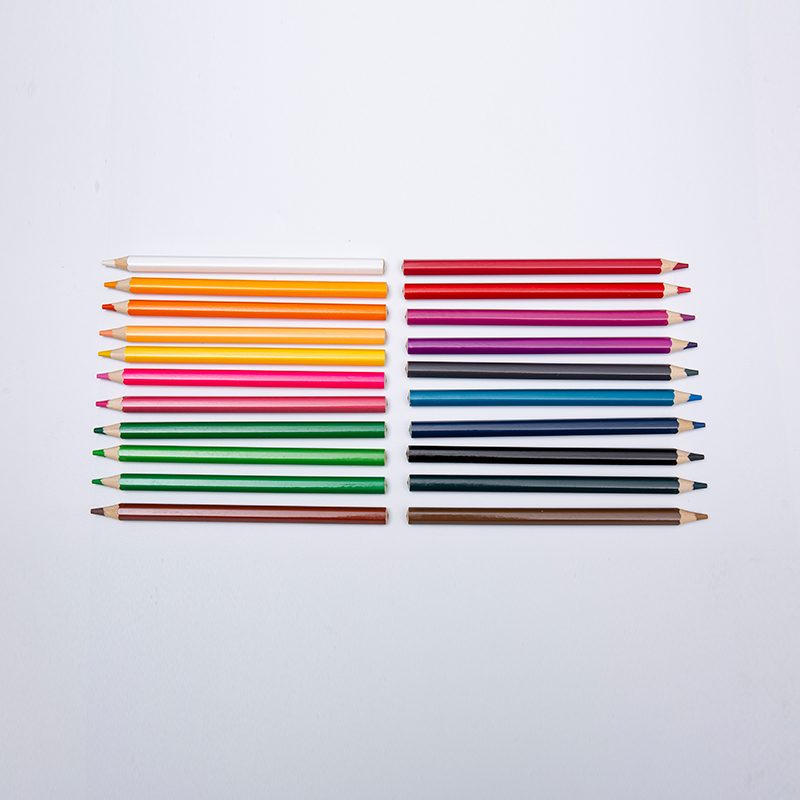
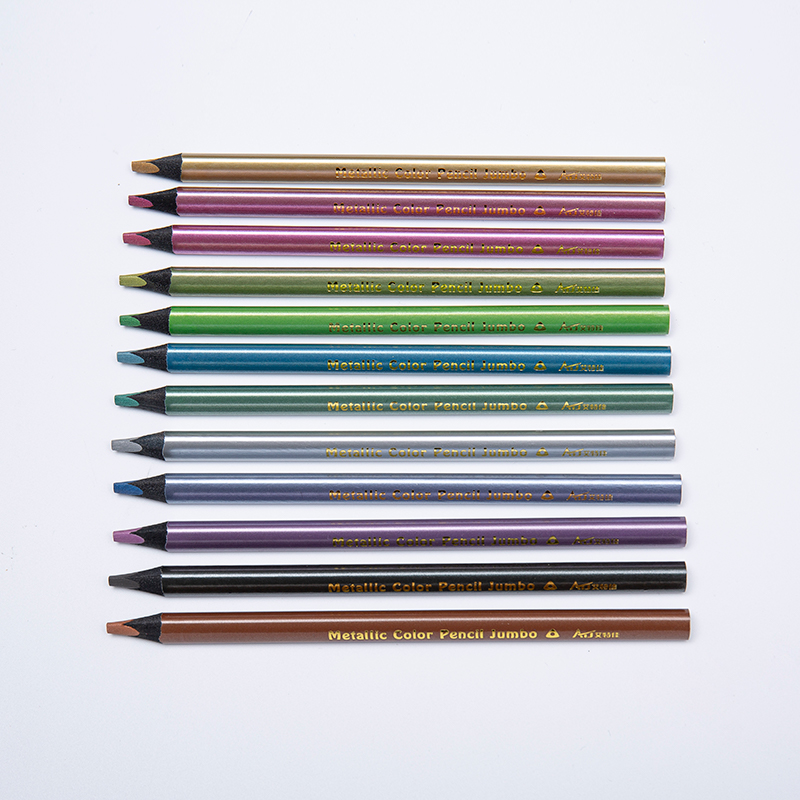
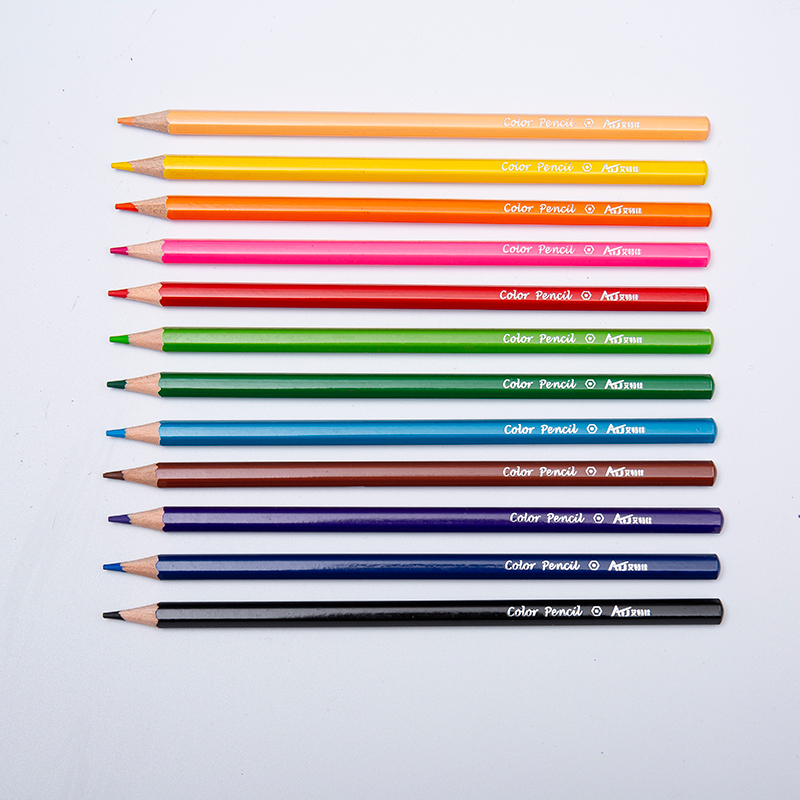
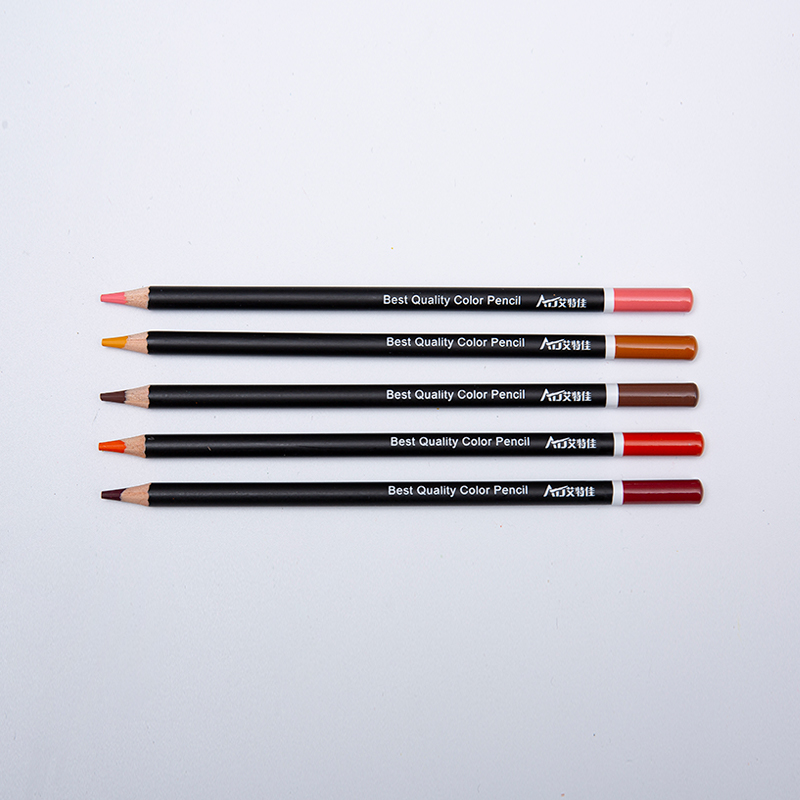
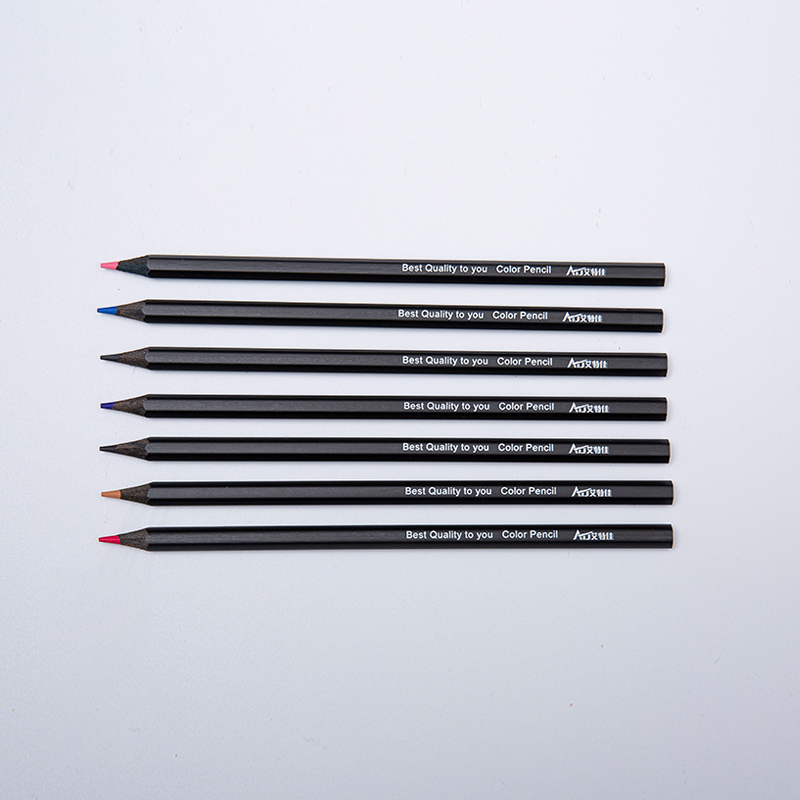
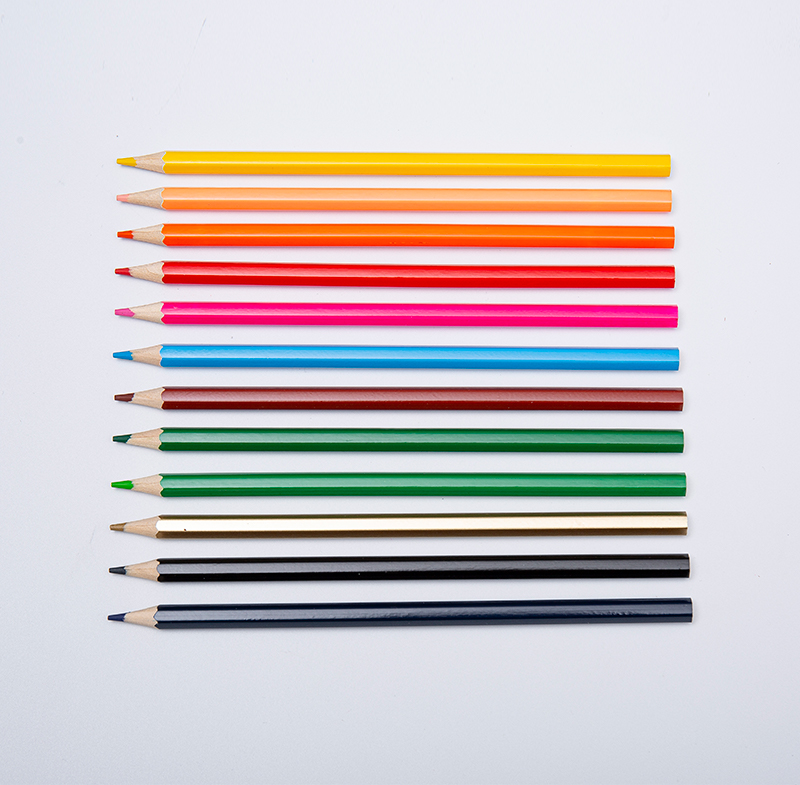
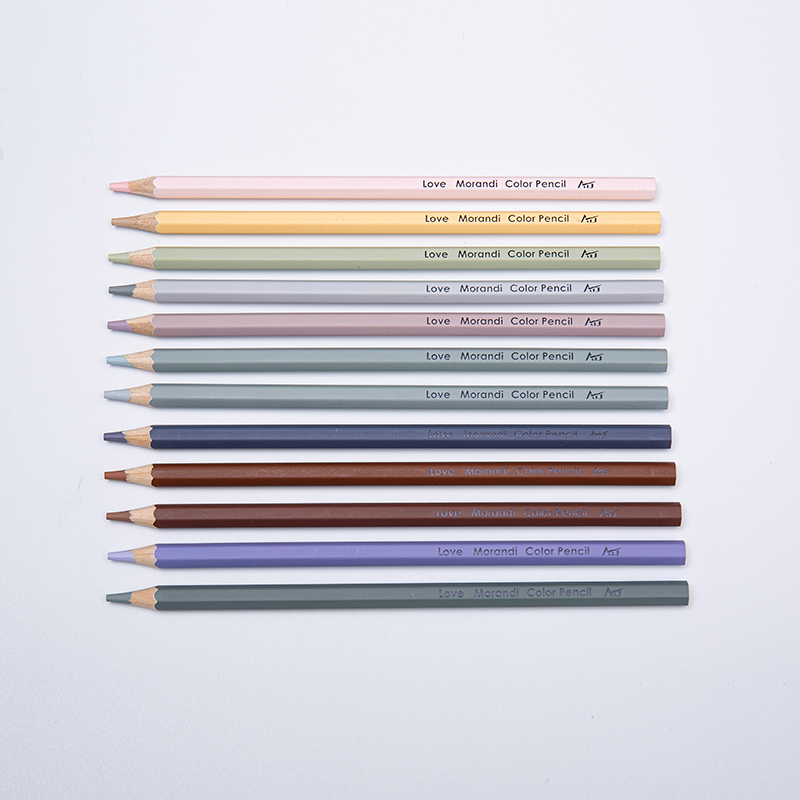
There are also coloring pencils. These are designed with pigment-based cores instead of traditional graphite. They are used in art activities, especially for illustration and design work.
Mechanical-style wooden pencils also exist in some factory product lines. They combine a wooden body with refillable internal components, offering a different writing experience while maintaining a traditional exterior appearance.
What stationery sets are produced alongside pencils?
Many wood pencil factories do not limit production to single items. They often produce coordinated stationery sets.
These sets may include pencils combined with erasers, sharpeners, or small writing accessories. The idea is to create bundled products that are ready for school or office use.
Packaging plays an important role here. Products are grouped into sets with consistent design themes. This makes them suitable for retail shelves or educational supply distribution.
In some cases, factories also produce themed stationery collections. These are designed for seasonal demand or specific user groups, such as students or beginners in drawing.
How do factories handle customized pencil production?
Customization is a growing part of wood pencil manufacturing. Factories often produce pencils with different branding or visual styles depending on client requirements.
Customized pencils may include printed logos, names, or simple patterns on the outer surface. These designs are applied during the finishing stage of production.
Color variation is also common. Factories may offer different coatings or surface treatments to match brand identity or marketing needs.
Packaging customization is another key area. Boxes, sleeves, or wrapping designs can be adjusted to reflect different visual themes.
This flexibility allows wood pencil factories to serve not only educational markets but also promotional and retail branding sectors.
What materials are commonly used in production?
Wood pencil factories rely on a combination of natural and manufactured materials.
The outer body is typically made from wood that is selected for stability and ease of shaping. The internal writing core is usually a mixture designed for smooth marking on paper surfaces.
Additional materials include coatings for surface finishing, protective layers for durability, and adhesives for structural assembly.
Erasers, when included, are made from soft materials designed for controlled friction. Metal or plastic parts may also be used in certain pencil types, especially those with mechanical functions.
Material selection is closely tied to product purpose. Writing pencils, sketch pencils, and colored pencils all require slightly different compositions.
How does packaging influence product variety?
Packaging is an important part of what wood pencil factories produce. It is not just a container but part of the product experience.
Simple packaging is often used for bulk educational supply. These products are designed for large-scale distribution and practical use.
Retail packaging is more detailed. It focuses on visual presentation, making products more suitable for store display.
Gift-style packaging is also common. These sets are arranged in visually appealing formats and may include multiple pencil types together.
The packaging process adds another layer of product variation beyond the pencils themselves.
What role does production flexibility play?
Flexibility is a key feature of modern wood pencil factories. Demand patterns vary across regions and customer types, so production must adjust accordingly.
Factories often shift between large-scale standard production and smaller customized batches. This requires adaptable workflows.
Different pencil types may be produced within the same facility. Machines and assembly lines are adjusted based on product requirements.
This flexibility allows factories to respond to seasonal demand, educational supply cycles, and promotional orders.
How are product categories organized in factories?
Wood pencil factories usually organize products into structured groups. This helps manage production flow and inventory planning.
Below is a simplified overview of common product categories:
| Product Category | Main Use | Key Characteristics |
|---|---|---|
| Writing pencils | General writing tasks | Simple structure, daily use |
| Drawing pencils | Art and sketching | Focus on shading and detail |
| Coloring pencils | Creative illustration | Pigment-based core |
| Stationery sets | Combined school use | Pencil + accessories |
| Customized pencils | Branding and promotion | Printed designs and packaging |
This structure allows factories to serve different market needs without changing the core production system.
What influences product diversity in this industry?
Product diversity in wood pencil factories is shaped by several practical factors.
User habits play a major role. Students, artists, and office workers all use pencils differently. This creates demand for variation.
Market expectations also influence production. Some customers look for simple functional products, while others prefer visually designed or branded items.
Material availability and production capability further define what can be produced efficiently.
Over time, these factors have expanded the role of wood pencil factories beyond basic writing tools.
How does factory production reflect modern stationery demand?
Modern stationery demand is no longer limited to basic writing needs. It includes creativity, branding, and user experience.
Wood pencil factories respond to this shift by offering more product variations and flexible production models. The focus is not only on making pencils but on creating usable and adaptable stationery solutions.
This change reflects a broader trend in manufacturing, where product lines are shaped by usage diversity rather than single-function design.
 Previous