
 English
  Français
 عربى
عربى Español
 中文简体
中文简体News
Colored pencils are widely appreciated by artists, illustrators, designers, and hobbyists for their vivid hues and creative flexibility. While pigments and binders often receive the attention, the foundation of every high-quality colored pencil begins with its wood casing. Soft linden pencil slats play an essential role in creating smooth, dependable pencils that meet the expectations of both professionals and beginners. Thanks to their softness, fine grain structure, and stable performance, linden slats help ensure that pigments apply evenly and blend effortlessly on the page.
When selecting colored pencil suppliers, many buyers focus on product durability, sharpening performance, and user comfort. Leading soft linden pencil slats manufacturers understand that the wood must offer a balanced combination of strength and workability. Wood that is too hard results in difficult sharpening and may cause the core to crack. Wood that is too soft compromises stability and can break during use. By choosing high-quality linden wood and processing it with precision, manufacturers can produce slats that meet strict international standards for both wax-based and oil-based colored pencils.
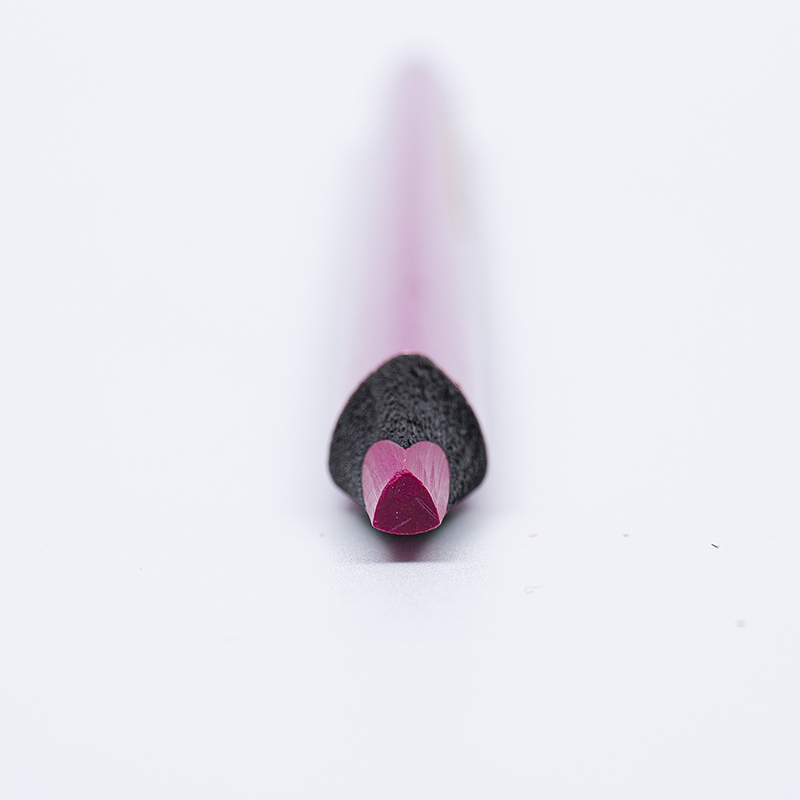
1. Smooth Blending and Layering
Artists often choose colored pencils for their ability to create rich shading, delicate gradients, and multi-layered effects. The natural softness and uniform texture of linden wood allow the pencil core to glide smoothly across paper without splintering the casing. Soft linden pencil slats support consistent pigment release, enabling artists to achieve subtle color transitions, controlled layering, and detailed textures with minimal resistance. This makes the pencil feel more responsive and enjoyable to use, especially during long drawing sessions.
2. Reduced Breakage and Greater Stability
Core breakage is a common issue with lower-grade pencils, often caused by poor-quality wood or uneven drying. Pencils made with soft linden pencil slats offer stability and structural support, helping protect the core during sharpening and heavy pressure application. Reputable soft linden pencil slats manufacturers carefully select wood with minimal knots and defects and use controlled kiln-drying processes to maintain uniform moisture content. This greatly reduces the risk of cracking, warping, or chipping and ensures a longer product lifespan.
3. Higher Manufacturing Efficiency
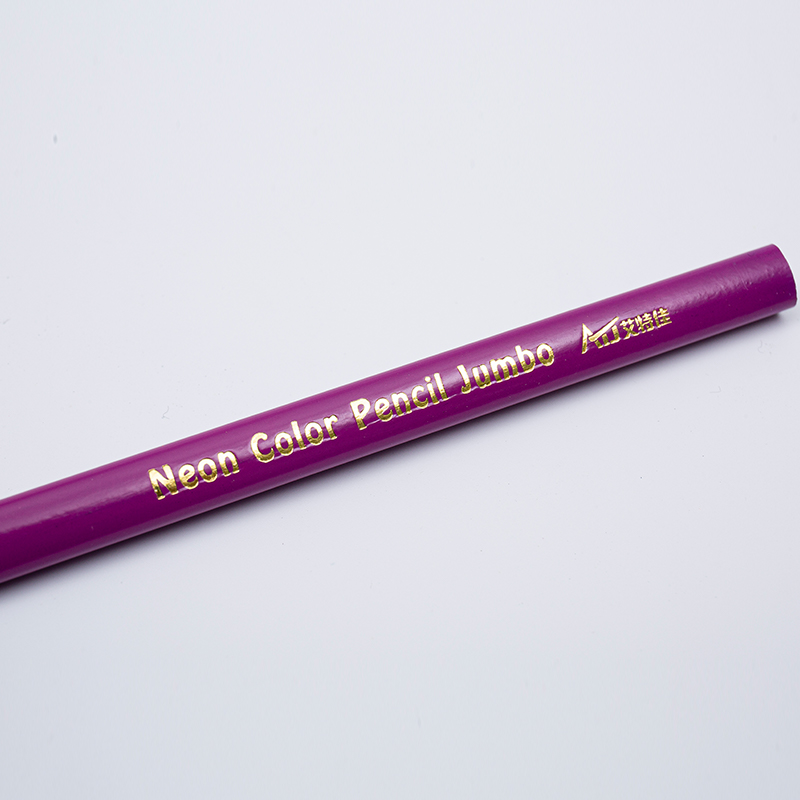
From a production standpoint, linden wood is highly efficient to work with. Its softness and fine grain make it easy to cut, groove, shape, and sand without damaging machinery. This allows manufacturers to maintain precise slat dimensions and achieve consistent pencil quality across large production runs. The result is a streamlined assembly process, fewer material losses, and reliable pencil performance—an advantage particularly valued by large-scale pencil producers and private-label brands.
4. Sustainable and Responsible Sourcing
As sustainability becomes a priority for global buyers, many soft linden pencil slats manufacturers now source their raw materials from responsibly managed forests. Linden trees grow relatively quickly and can be harvested with minimal environmental impact. By choosing certified wood sources, manufacturers help ensure long-term ecological balance while providing clients with eco-friendly product options. This commitment to sustainability adds value for brands aiming to appeal to environmentally conscious consumers.
Colored pencils made with soft linden pencil slats offer a smoother, more enjoyable drawing experience and significantly better reliability. From improved blending performance to reduced breakage and efficient production, linden wood provides advantages at every stage—from manufacturing to end-user satisfaction. For businesses seeking to deliver high-quality colored pencils, partnering with experienced soft linden pencil slats manufacturers ensures consistent product quality, stable supply, and strong market competitiveness.
 Previous