
 English
  Français
 عربى
عربى Español
 中文简体
中文简体News
Every day, millions of wood pencils are used in classrooms, offices, and art studios. Behind each pencil is a production process that begins with raw materials and ends with a finished writing tool. A Wood Pencils Factory takes pencil slats, graphite or colored lead, paint, and hardware, then transforms these components into products ready for store shelves. Instead of making pencils one at a time, these facilities use specialized equipment to produce them in large batches with consistent quality.
A Wood Pencils Factory typically includes slat storage areas, grooving machines, assembly lines, shaping stations, finishing booths, and packaging sections. Materials arrive at receiving docks and move through each production step before finished pencils are packed for shipment.
Raw Materials and Slat Preparation
The primary material in any Wood Pencils Factory is pencil slats. These thin, flat pieces of wood come from species such as cedar, poplar, or linden. The slats arrive at the factory already cut to width and thickness. Some factories perform additional conditioning to adjust moisture content before processing.
Before assembly, slats in a Wood Pencils Factory go through a grooving operation. A machine with dual cutting wheels creates two parallel channels along the length of each slat. These grooves will hold the pencil lead. The depth and spacing of the grooves must be precise. If the grooves are too deep, the lead sits low and may not write smoothly. If too shallow, the lead sits high and may break during sharpening.
The quality of incoming slats determines much of what happens next. A Wood Pencils Factory typically inspects each shipment for:
- Consistent thickness across the entire slat
- Straight grain without knots or irregularities
- Proper moisture content for the local climate
- Clean surfaces without debris or oil residue
Lead Preparation and Assembly
While the slats are being grooved, another section of the Wood Pencils Factory prepares the lead. Graphite leads for writing pencils are made from a mixture of graphite powder and clay. The ratio of graphite to clay determines the hardness grade. More graphite produces softer, darker marks. More clay produces harder, lighter marks.
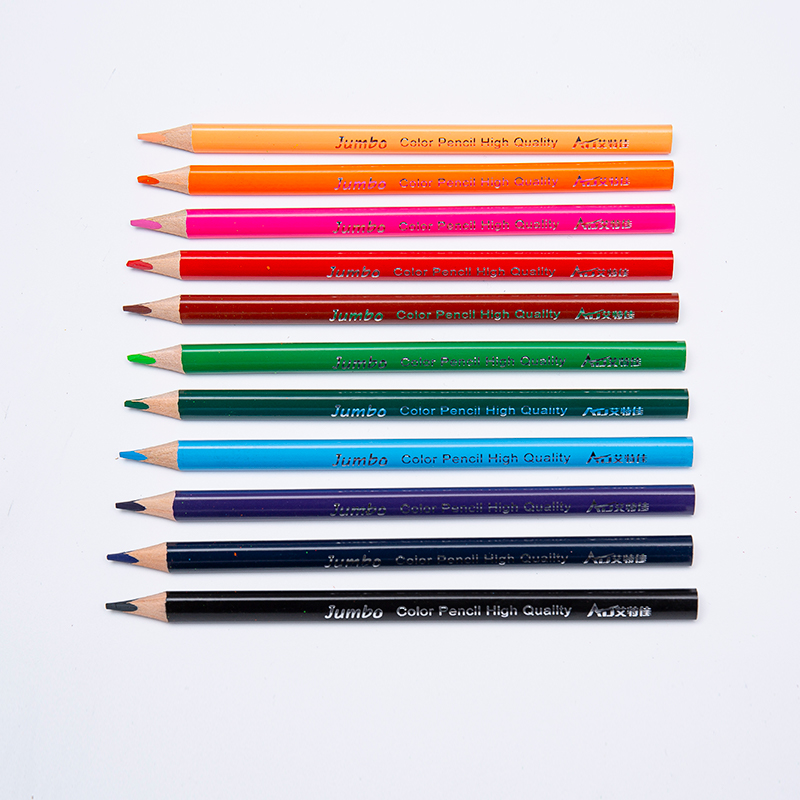
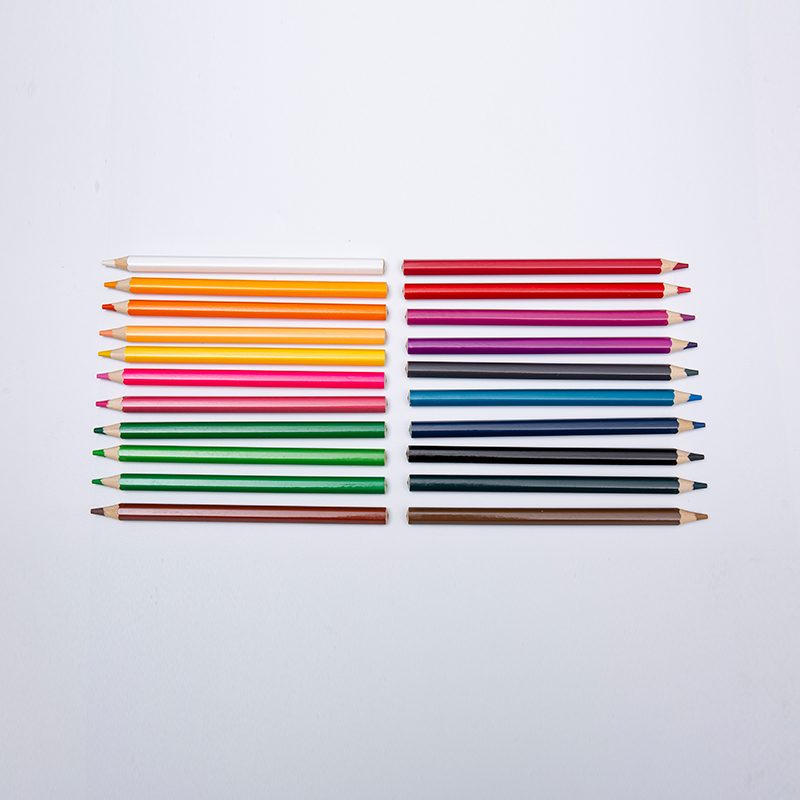
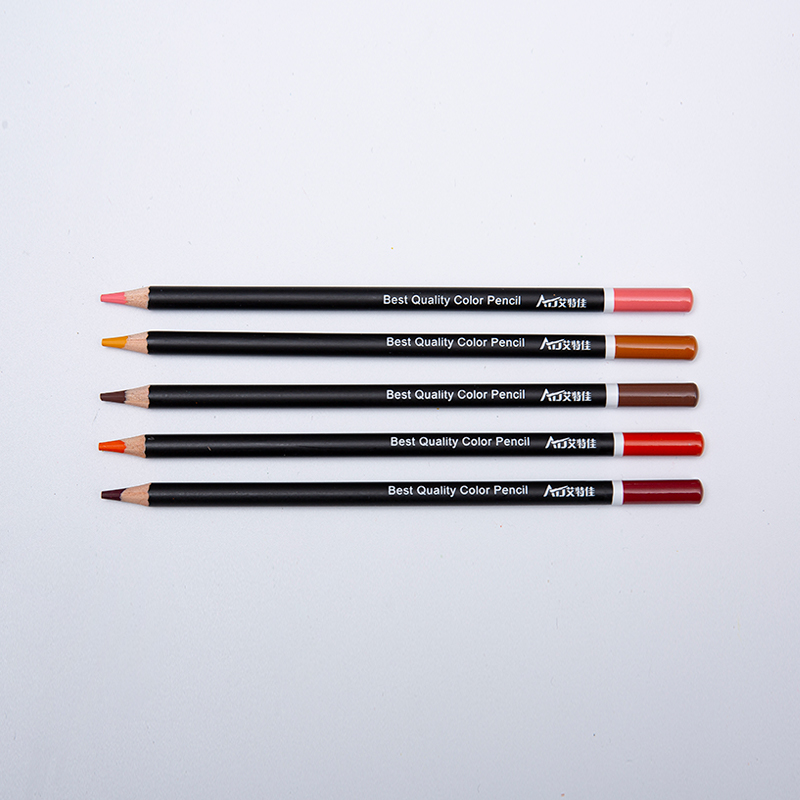
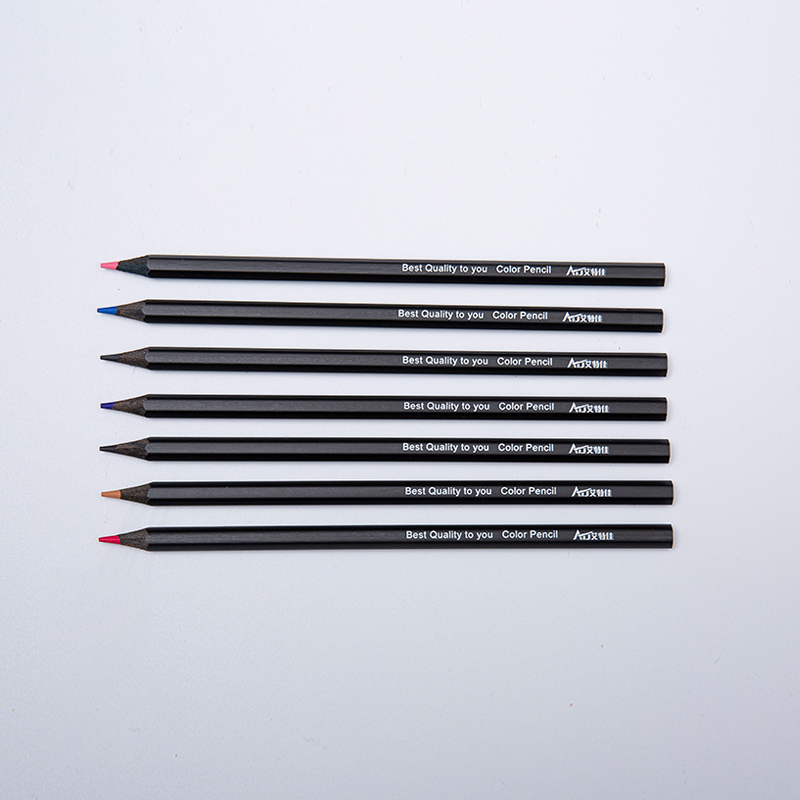
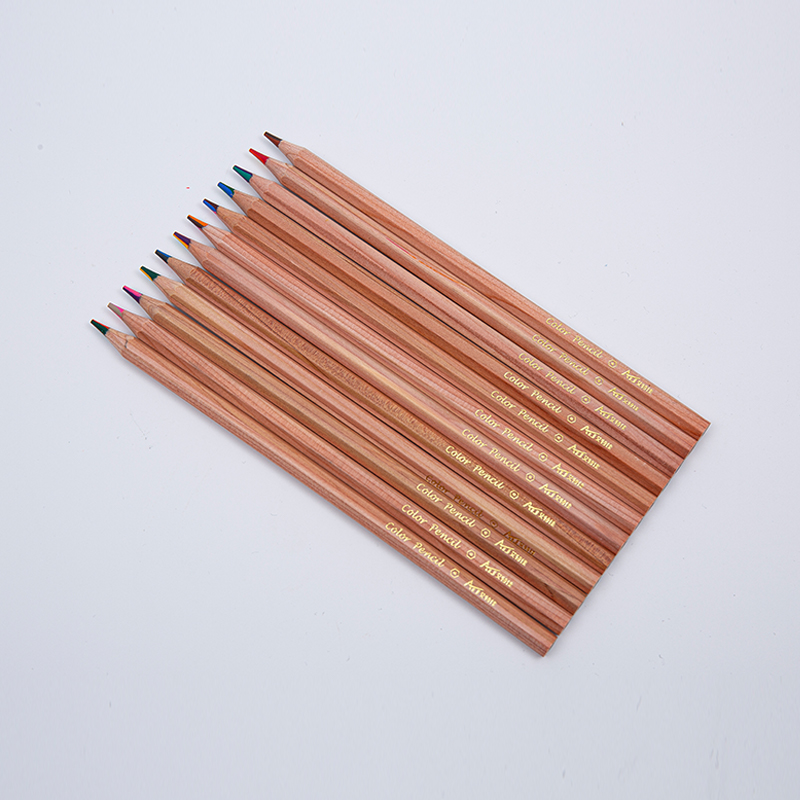
Colored leads use pigments, waxes, and binders instead of graphite. The lead mixture is extruded into long, thin rods, then dried and baked to achieve the right strength. These lead rods are cut to lengths that match the slats.
Assembly begins when grooved slats and lead rods meet. Workers or automated systems place a lead rod into the grooves of one slat. A second slat, with its grooves facing down, is positioned on top. The two slats sandwich the lead between them. Glue is applied to the mating surfaces before pressing. The glued blocks then move into a curing area where the adhesive sets.
Shaping and Separating Pencils
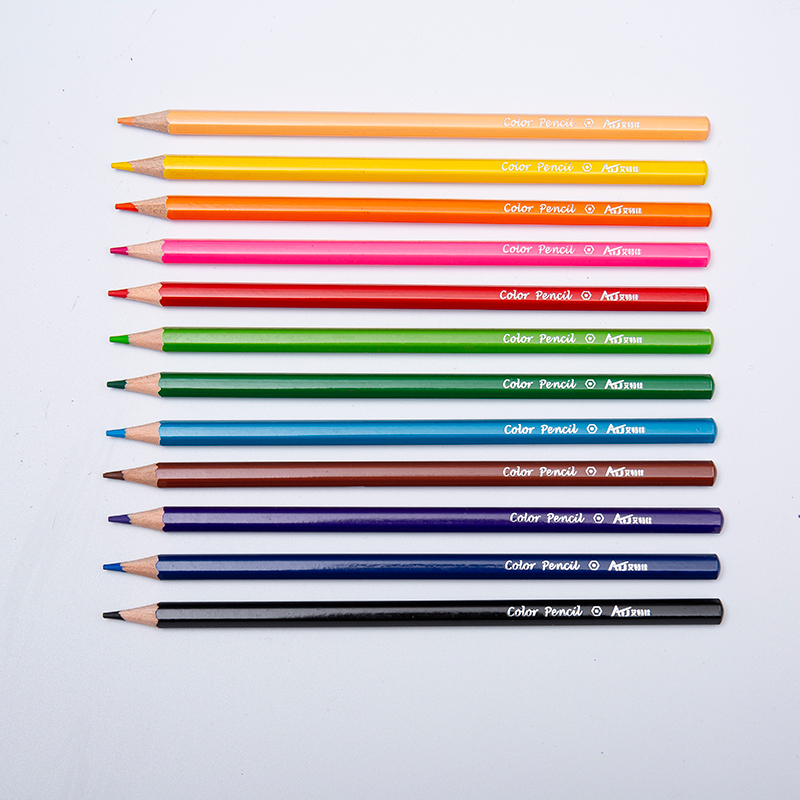
Once the glue has cured, the bonded blocks enter the shaping section of a Wood Pencils Factory. A series of cutting heads shapes the block into round, hexagonal, or triangular pencil forms. The first cutters round the top and bottom of the block. Subsequent cutters create the flat faces of a hexagon or the smooth curve of a round pencil. The same shaping process separates the block into individual pencils.
A single block of slats typically yields six to eight pencils. The shaping cutters must be sharp and properly aligned. Dull cutters tear the wood rather than cutting it cleanly, leaving rough surfaces that require extra sanding. Misaligned cutters produce pencils that are not uniform in diameter from end to end.
After shaping, the pencils move through sanding stations. Fine abrasives remove any remaining tool marks. The surface at this stage must be smooth enough to accept paint without visible texture.
Finishing and Final Assembly
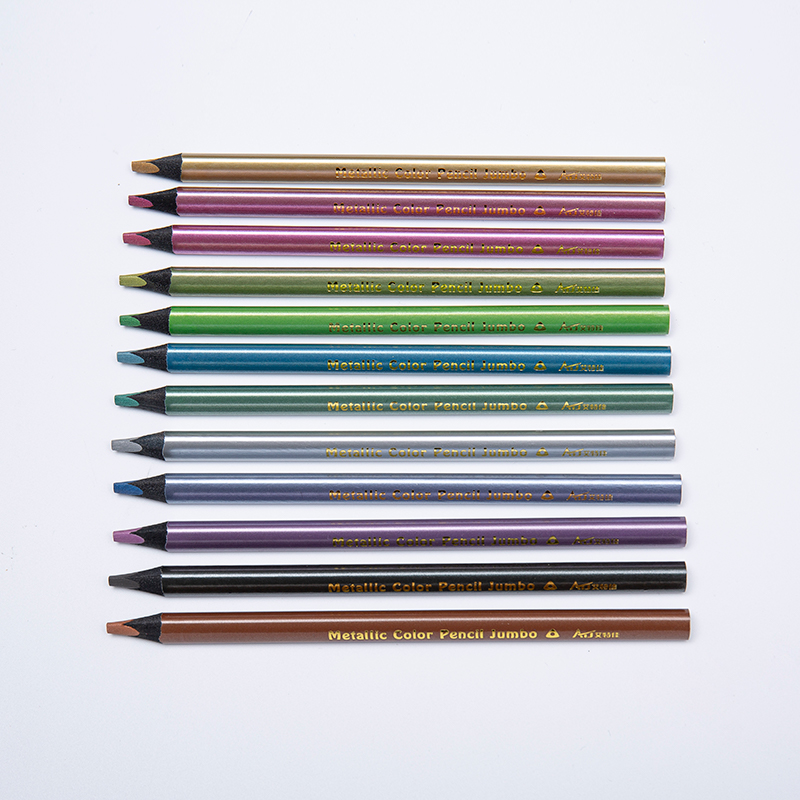
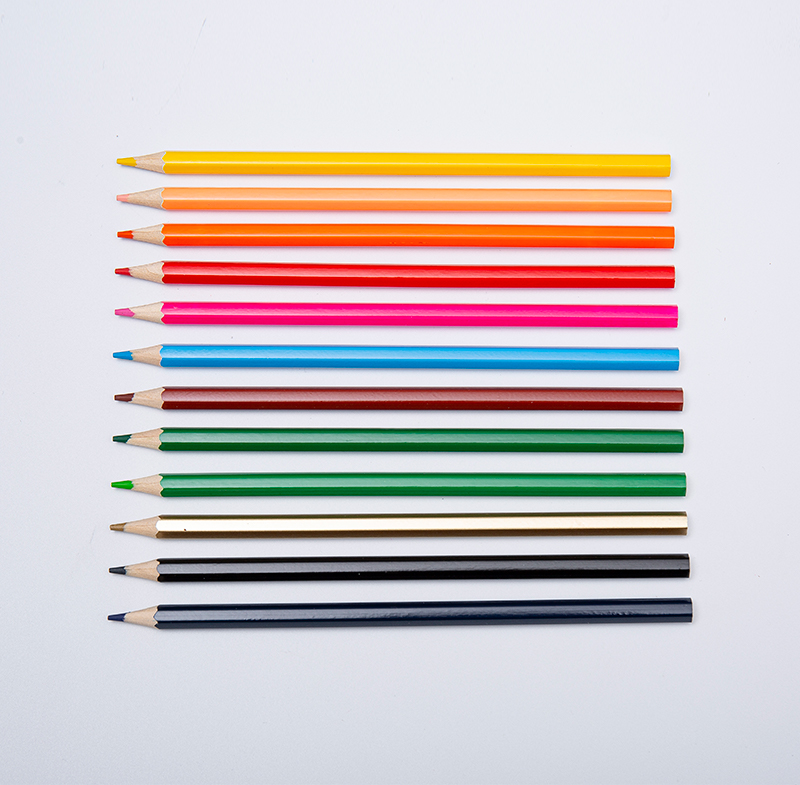
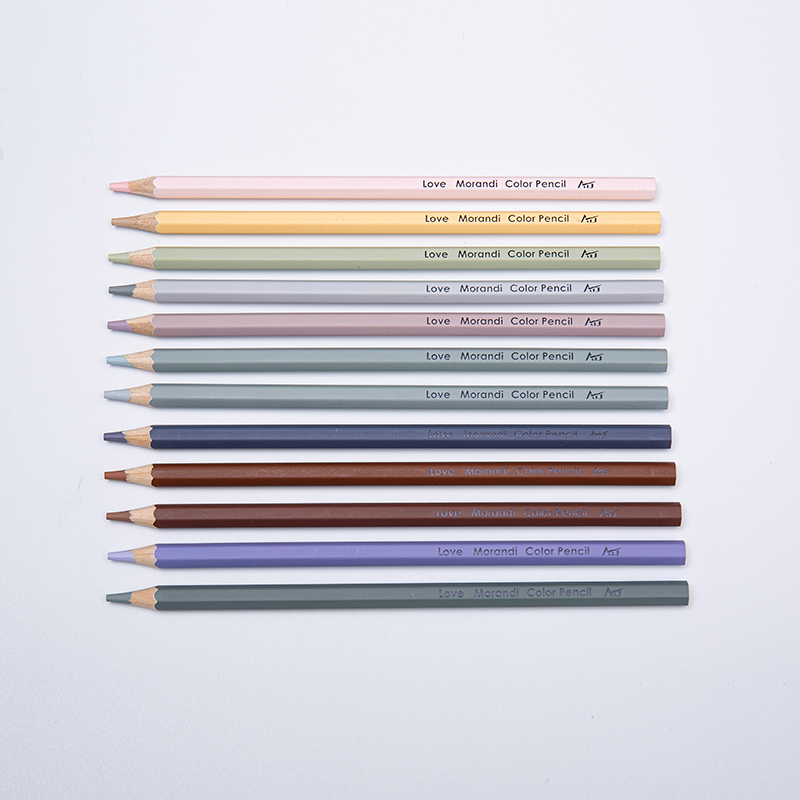
The finishing area of a Wood Pencils Factory applies color and protection to the pencils. pencils receive a base coat of primer followed by one or two top coats of paint. The pencils pass through spray booths or dip tanks, then travel through drying tunnels. Some products receive additional decorative treatments such as foil stamping, printed bands, or glitter coatings.
After the paint dries, pencils that include erasers move to an assembly station. A metal ferrule is crimped onto one end of the pencil. An eraser plug is inserted into the ferrule. The ferrule material is typically aluminum or brass with a painted or plated finish.
The final step in a Wood Pencils Factory is packaging. Pencils are grouped by grade and color into boxes or blister packs. Common packaging configurations include:
- Boxes of 12 or 24 pencils for school and office use
- Blister cards of 2 to 4 pencils for retail displays
- Bulk packs of 72 or 144 pencils for institutional buyers
- Art sets with mixed grades and colors in a single case
A Production Hub for Writing Tools
From incoming slats to finished packages, the Wood Pencils Factory organizes its production floor around efficient material flow and consistent quality. Its grooving, assembly, shaping, and finishing operations work together to produce millions of pencils that sharpen cleanly, write smoothly, and look as expected. For students, artists, and office workers, the pencil in hand represents the result of this focused manufacturing process.
 Previous