
 English
  Français
 عربى
عربى Español
 中文简体
中文简体News
Pencil slats are the wooden boards that form the outer barrel of a pencil. They are grooved to hold graphite or colored cores and then bonded together to create the finished product. While the writing core often receives attention, the wooden structure plays a central role in usability, shaping behavior, and overall product consistency.
What Are Pencil Slats and Why Do They Matter?
Pencil slats are thin wooden boards cut and processed to precise dimensions. Each slat is milled with parallel grooves where graphite or pigment cores are placed. A second slat is glued on top to form a pencil sandwich, which is later shaped into round, hexagonal, or triangular barrels.
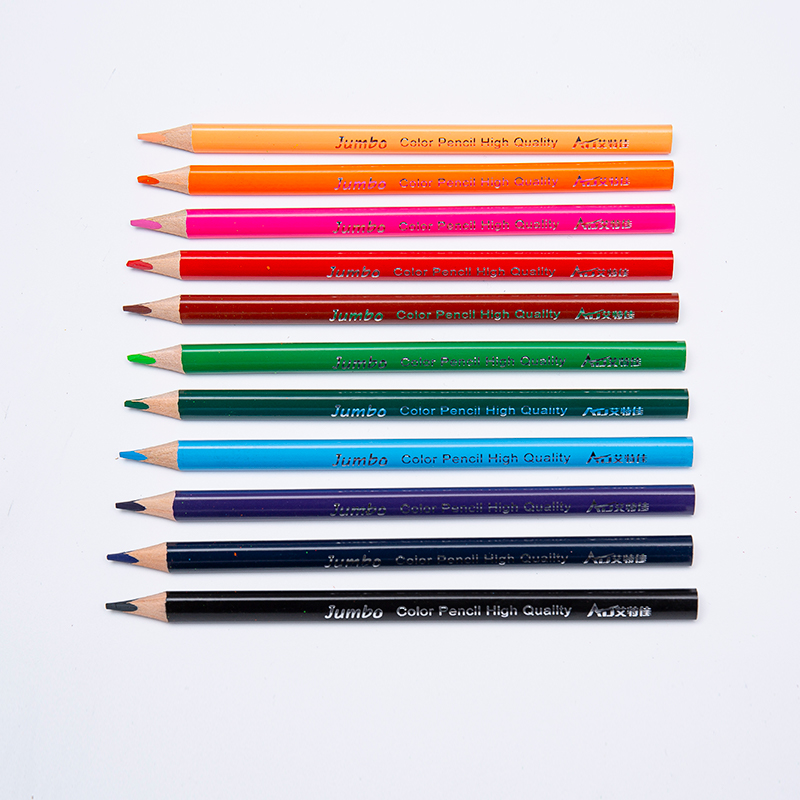
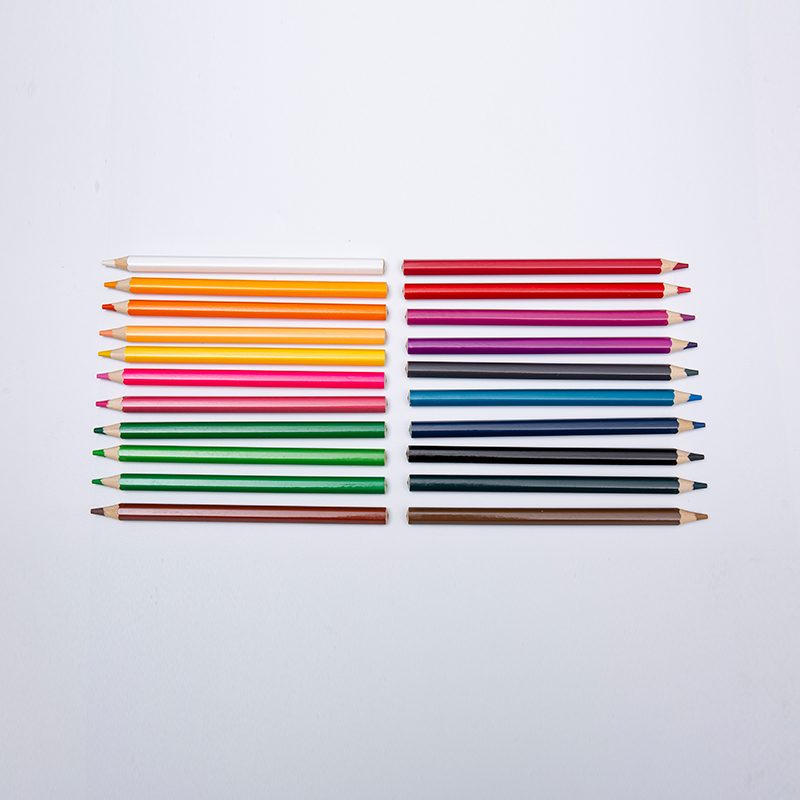
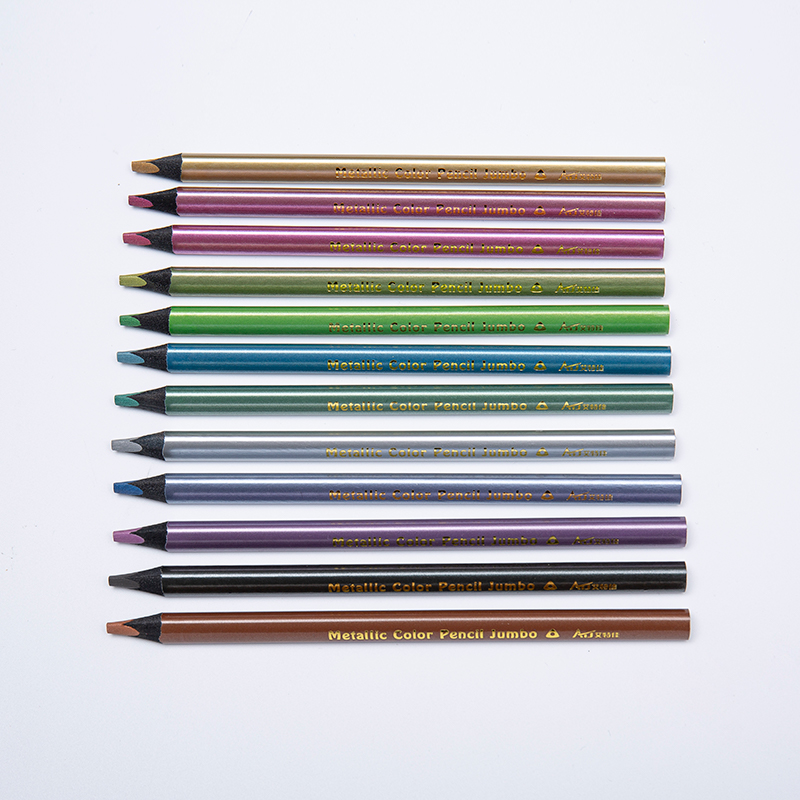
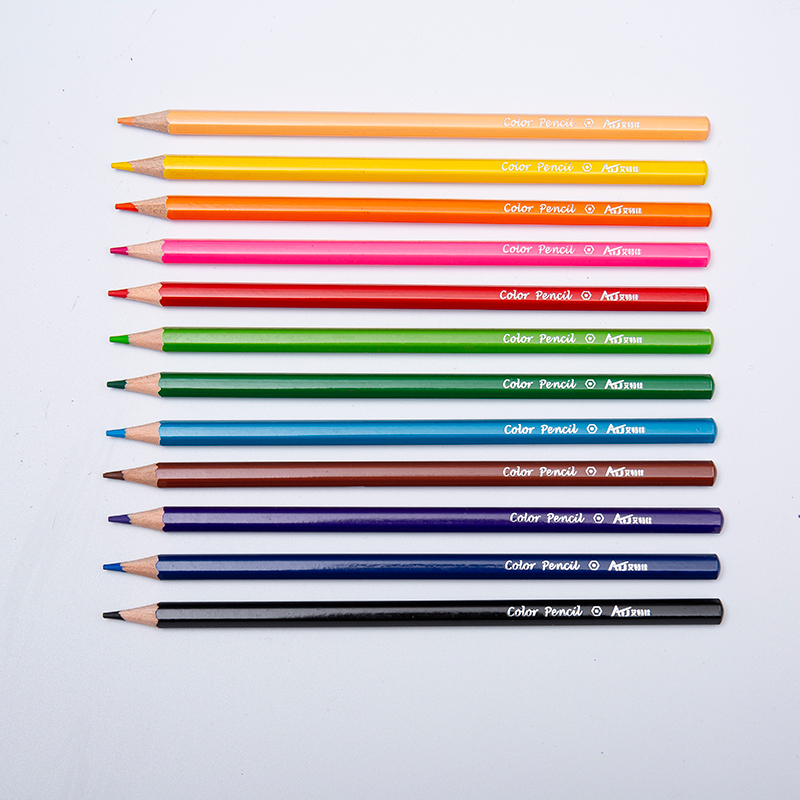
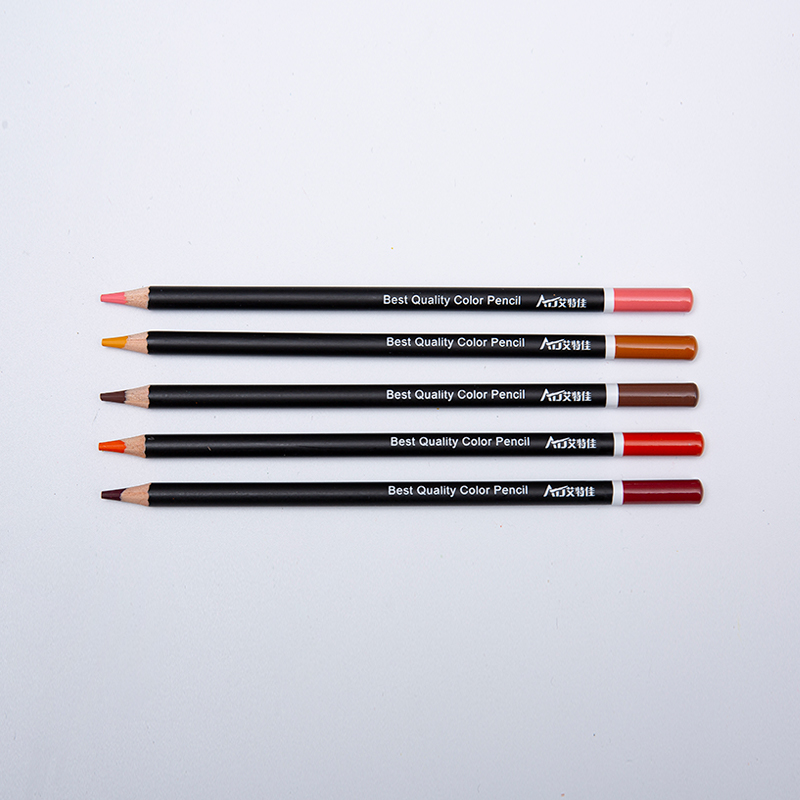
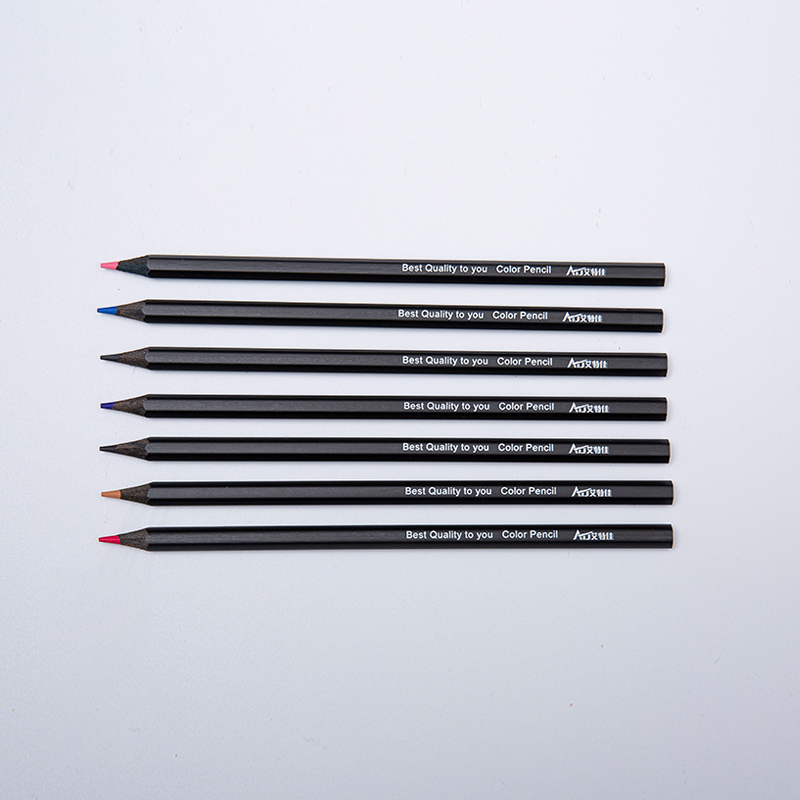
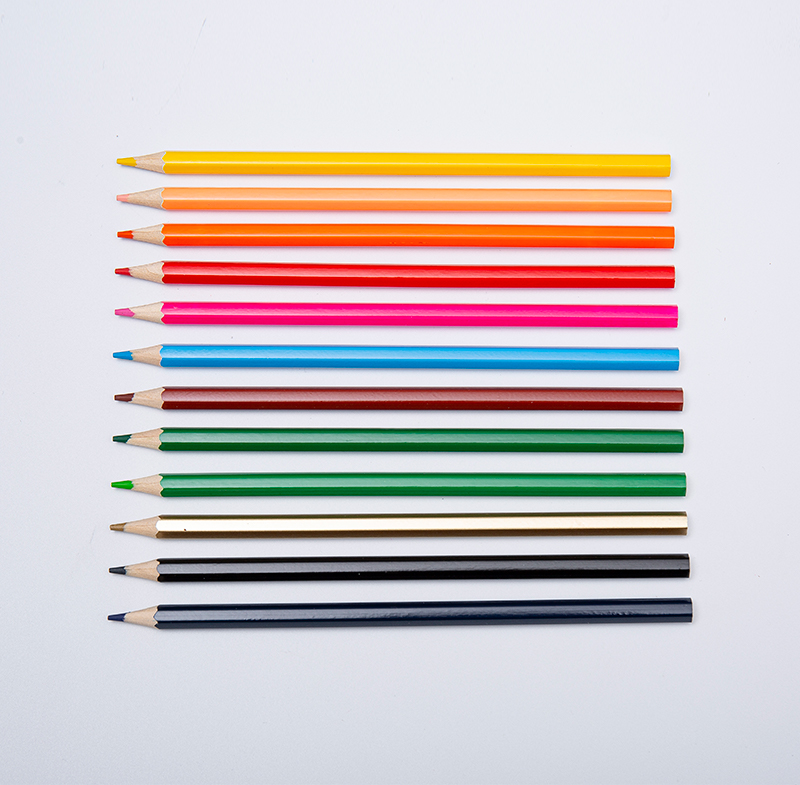
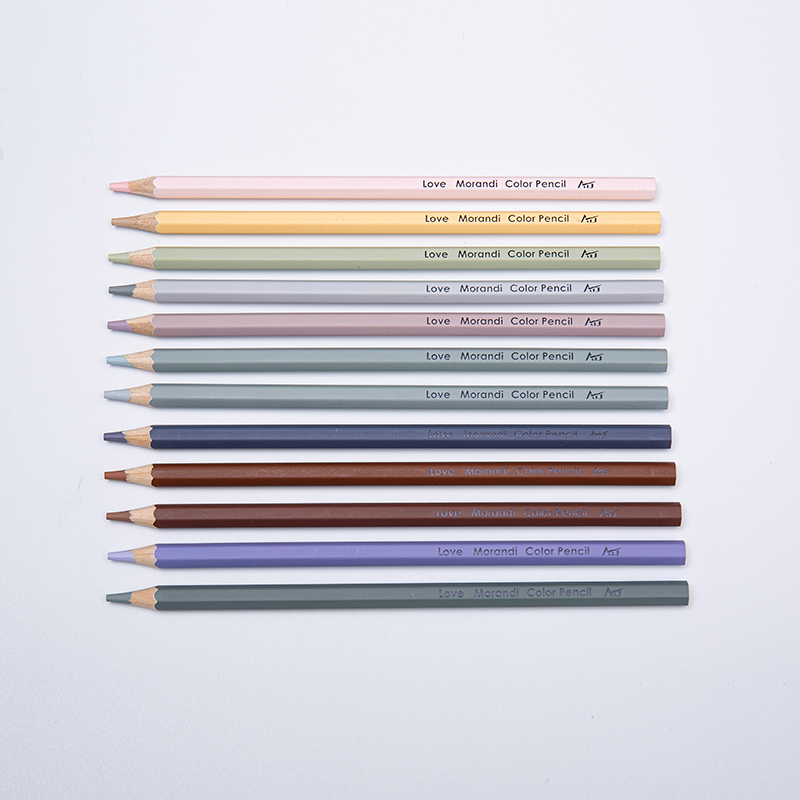
Graphite pencils rely on a graphite core encased in wood, offering a range of hardness grades suitable for writing, drafting, or sketching. Colored pencils use pigment cores blended with wax or oil binders to deliver vibrant color output. In both cases, the wood casing determines how comfortably the pencil sharpens and how stable the core remains during use.
Uniform slats support balanced bonding and consistent shaping, reducing issues like uneven sharpening or barrel cracking.
How Are Pencil Slats Produced in a Modern Factory?
Production begins with raw timber selection. Logs are sawn into boards, kiln-dried, and then cut into standardized panels. Drying is critical because uncontrolled moisture can cause later deformation.
After drying, the boards are sliced into thin pieces matching pencil thickness. Precision grooving machines create evenly spaced channels. These grooves must align with core diameter tolerances, whether for graphite or colored formulations.
Surface sanding follows, providing smooth bonding surfaces. Slats are then inspected for grain alignment, density consistency, and structural integrity. A professional Pencil Slats Manufacturer typically integrates automated dimension checks to maintain uniformity across large production volumes.
What Wood Is Used for High-Quality Pencil Slats?
Wood selection influences machinability and sharpening performance. Softwoods with straight grain structures are commonly used because they cut cleanly and hold shape after milling.
The wood must strike a balance between softness and structural stability. Excessively soft wood may dent easily, while overly dense material can resist smooth sharpening. Grain direction also matters; straight fibers reduce splintering during shaping and sharpening.
Responsible sourcing and consistent grading practices are typical characteristics of an experienced Pencil Slats Manufacturer. Wood density testing and visual inspection help maintain batch consistency.
How Do Pencil Slats Affect Graphite Pencil Performance?
Graphite pencils are widely used for writing and sketching, with hardness grades ranging from soft to hard. While the graphite formula determines tonal range, the wooden barrel influences handling.
Well-produced slats hold the graphite core firmly, reducing internal movement during sharpening. Proper groove depth allows balanced adhesive distribution, keeping the core centered. This prevents uneven sharpening cones and tip breakage.
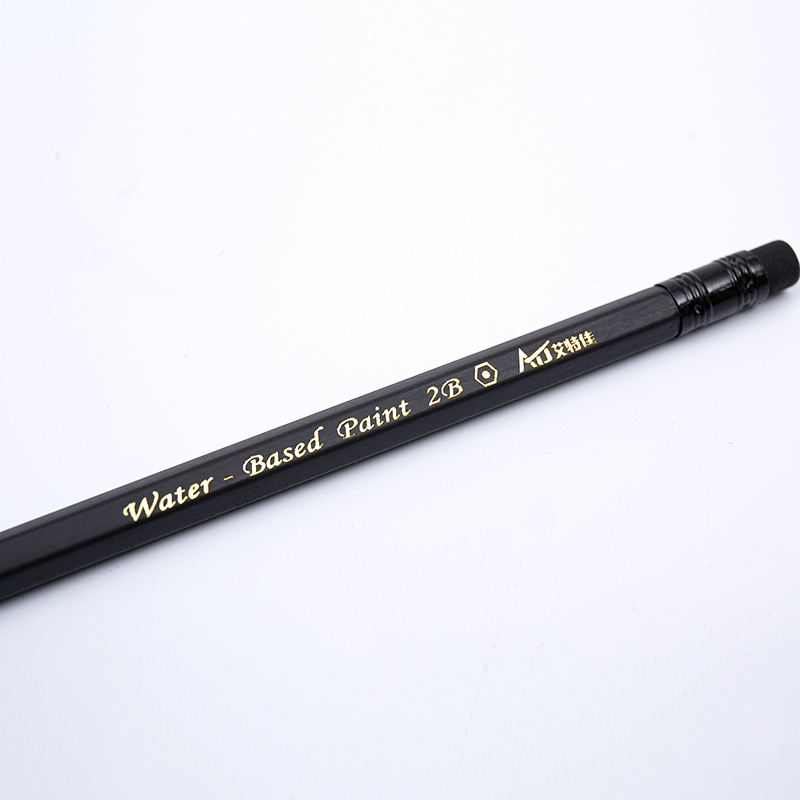
In drafting or office environments where consistent line quality matters, the role of stable wooden casing becomes apparent. Slat precision directly supports predictable writing behavior.
How Are Pencil Slats Designed for Colored Pencils?
Colored pencils differ structurally because their cores contain pigment blended with wax or oil binders. These cores can be softer than graphite, depending on formulation.
Groove dimensions may require adjustment to accommodate different core diameters or softness levels. The wooden casing must provide adequate support without compressing the pigment core.
For art-focused products, smooth sharpening is especially important. Clean wood cutting reduces flaking near the tip, allowing artists to maintain detailed work. A capable Pencil Slats Manufacturer adapts groove tooling and surface finishing to match the technical needs of colored pencil lines.
Pencil slats form the structural backbone of both graphite and colored pencils. Their quality influences sharpening behavior, bonding integrity, and long-term durability. Understanding how they are produced and evaluated provides insight into how pencils maintain writing precision and creative performance across applications.
 Previous