
 English
  Français
 عربى
عربى Español
 中文简体
中文简体News
Graphite pencils remain one of the many reliable tools for professionals and hobbyists alike. Whether used for note-taking, sketching, or technical drafting, the quality of a graphite pencil affects the clarity, precision, and overall experience of the user. Understanding the characteristics of a graphite pencil and sourcing from a trusted graphite pencil manufacturer can help achieve consistent results for various applications.
1. Understanding Graphite Pencil Grades
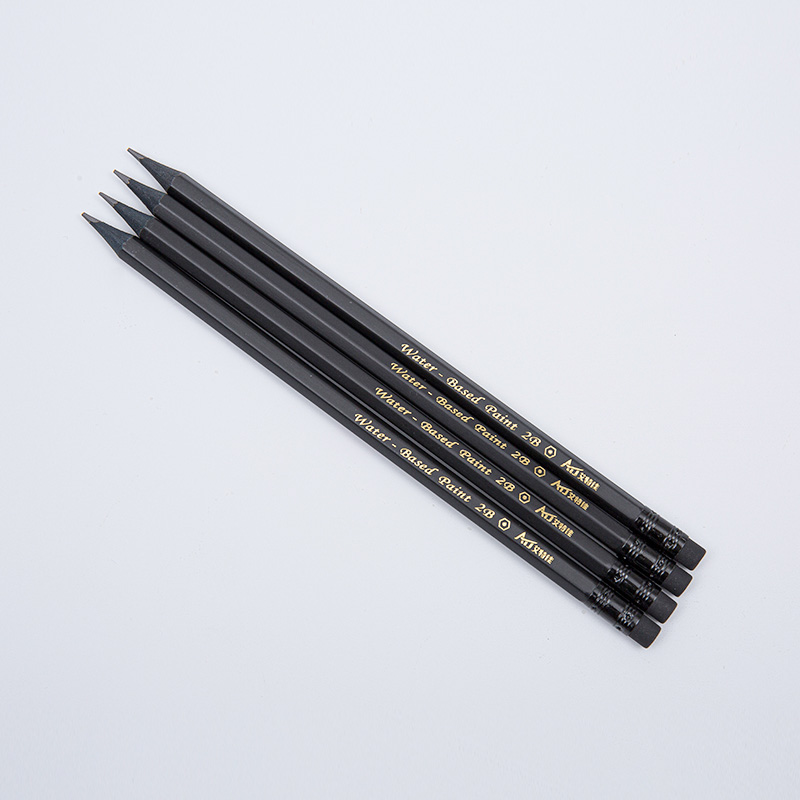
Graphite pencils are classified by hardness grades, typically ranging from H (hard) to B (soft). Hard pencils, like H or 2H, produce lighter lines suitable for architectural sketches, technical drawings, or precise diagrams. Softer pencils, such as 2B or 4B, produce darker, richer lines preferred in artistic shading or expressive sketches. Choosing the correct grade ensures your lines meet the intended purpose without smudging or breaking.
2. High-Quality Graphite Core
The graphite core determines how smoothly the pencil writes and how dark the marks appear. A well-formulated core balances graphite and clay to achieve durability and smooth application. Poorly made cores can break easily or produce uneven lines, which disrupts workflow and affects accuracy.
Professional graphite pencil manufacturers often test each batch of cores for hardness, smoothness, and consistency, ensuring pencils deliver predictable results for both technical drafting and artistic use. For industries where precision is crucial, such as design studios or engineering offices, this reliability is essential.
3. Wooden Barrel and Comfort Features
While the graphite core is important, the pencil's barrel affects usability and comfort. Premium pencils use high-quality cedar or other fine-grain wood, which is durable and sharpens cleanly without splintering. Round or hexagonal barrel shapes improve grip, reducing hand fatigue during long periods of use.
A trusted graphite pencil manufacturer maintains strict quality control on the wood casing, ensuring every pencil in a shipment feels consistent. This consistency matters when buying in bulk for schools, offices, or design studios where multiple users rely on the same performance standard.
4. Versatility Across Applications
Graphite pencils are very versatile. In classrooms, they are used for handwriting practice and test-taking. In offices, they assist with note-taking, diagrams, or preliminary sketches. For artists, they are fundamental tools for shading, sketching, or creating detailed artwork. Even in technical fields, engineers and architects rely on precise graphite lines for drafting and planning.
5. Precision, Erasability, and Smooth Lines
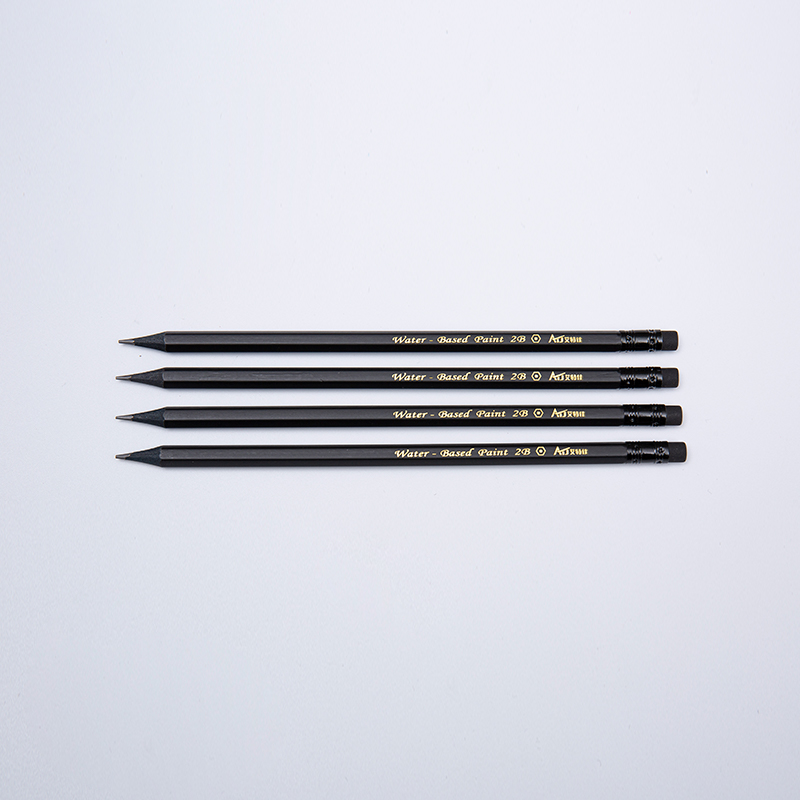
One of the advantages of a graphite pencil is its ability to produce precise, erasable lines. This feature is critical when mistakes need correction without damaging the paper. High-quality pencils leave smooth lines that are easy to control, whether drawing detailed architectural plans or sketching portraits.
6. Longevity and Maintenance Tips
Proper use and storage can extend a graphite pencil's life. Softer pencils should not be pressed too hard to avoid breakage, and pencils should be stored in a dry environment to prevent warping of the wooden casing. Long-lasting pencils reduce frequent replacements and support productivity.
Graphite pencils remain a versatile, precise, and indispensable tool across educational, professional, and artistic applications. From understanding hardness grades and core quality to selecting a reliable graphite pencil manufacturer, every factor contributes to the user experience. By choosing quality pencils and maintaining proper care, professionals can achieve smooth, accurate, and durable results across all projects.
 Previous