
 English
  Français
 عربى
عربى Español
 中文简体
中文简体News
Color pencils are widely used by artists, illustrators, hobbyists, and educators for adding vibrant colors to drawings and projects. Unlike standard graphite pencils, color pencils contain a pigment core mixed with a binder such as wax or oil. This combination allows for smooth application, rich color intensity, and versatile techniques suitable for detailed work or bold designs. Understanding how color pencils work and how they are produced in a Color Pencil factory can help artists make informed choices and achieve better results.
Types of Color Pencils
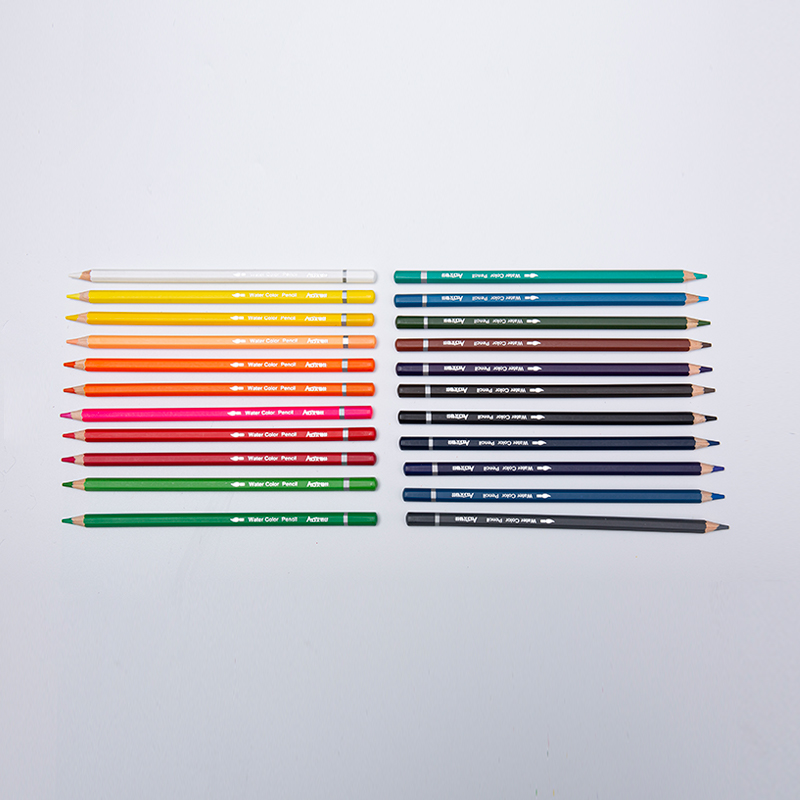
Color pencils come in several types, each with unique characteristics:
- Wax-based color pencils provide smooth coverage and are ideal for layering and blending.
- Oil-based color pencils are slightly harder, offering fine details and strong color retention.
- Water-soluble color pencils can be used dry or with water to create effects similar to watercolor painting.
Knowing the differences can help artists select pencils for specific projects, whether it's detailed illustrations, mixed media, or educational activities.
Factors Affecting Color Pencil Performance
Several factors determine the performance of a color pencil:
- Pigment quality – High-quality pigments create vibrant, consistent colors.
- Binder composition – Wax or oil affects smoothness, blendability, and durability.
- Core softness – Softer cores produce richer layers, while harder cores are suitable for fine lines.
- Paper texture – Rougher paper can enhance texture effects, while smooth paper is ideal for precise shading.
A Color Pencil factory often tests these variables to produce pencils that meet the needs of both professional artists and hobbyists.
Techniques for Using Color Pencils
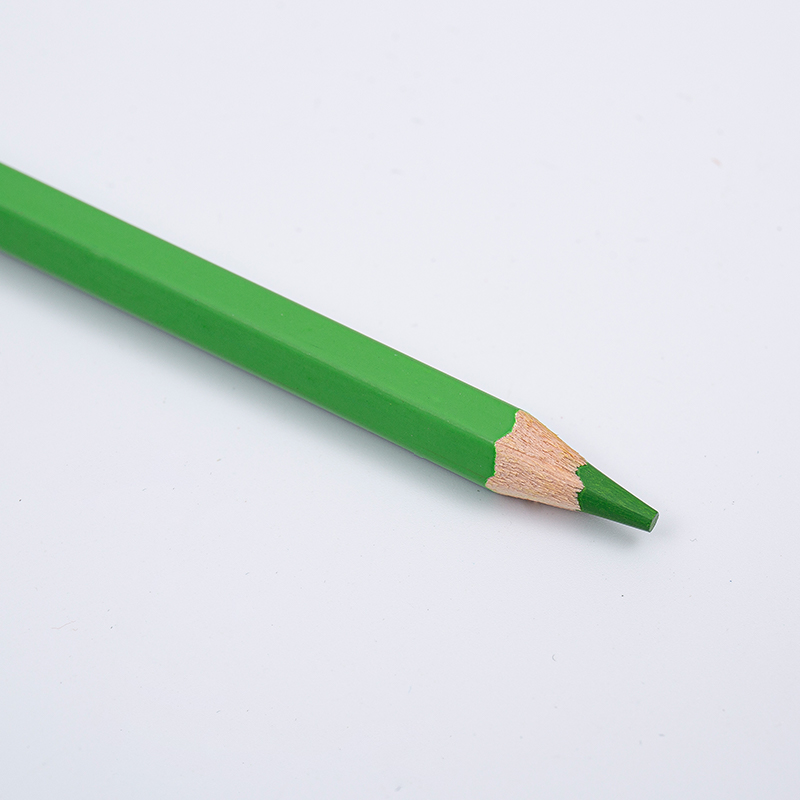
Artists can achieve different effects with proper techniques:
- Layering: Applying multiple colors in thin layers allows subtle transitions.
- Blending: Using tools like blending stumps or solvents can create smooth gradients.
- Burnishing: Pressing hard with a light-colored pencil over layers can create a polished, even finish.
- Texturing: Techniques like cross-hatching or stippling add depth and interest.
Selecting the right set involves considering factors such as pigment quality, type of pencil, and intended use. Beginners may prefer versatile sets with basic colors, while professionals may opt for expanded palettes with specialty pencils. A Color Pencil factory often offers a range of products catering to different skill levels and artistic needs.
Role of Color Pencil Factory in Quality Control
A reliable Color Pencil factory ensures pencils meet quality standards by:
- Testing pigment consistency for uniform color.
- Ensuring proper core hardness and durability.
- Checking the binders for smooth application and minimal breakage.
These measures guarantee that the pencils perform well across various art techniques.
Applications of Color Pencils
Color pencils are used in many creative and educational settings:
- Illustration and sketching for professional projects.
- Coloring books and hobby crafts for relaxation and creativity.
- School projects to teach color theory and artistic skills.
- Mixed-media art to combine with watercolor, ink, or pastels.
Their portability and ease of use make them accessible for any level of artist.
Color pencils provide a versatile and enjoyable medium for creative expression. Understanding their types, techniques, and production process in a Color Pencil factory can help artists choose the right tools and achieve better results. From smooth blending to intricate layering, color pencils remain a staple in artistic projects worldwide.
 Previous