
 English
  Français
 عربى
عربى Español
 中文简体
中文简体News
Pencil production depends on more than the visible shape, paint, or internal core. One of the important structural materials is the wooden slat that forms the pencil body. In large-scale manufacturing, the quality of that slat can influence machining flow, sharpening feel, surface finish, and overall product consistency. That is why Soft Poplar Pencil Slats remain a common material choice in pencil manufacturing.
Why Does Soft Poplar Matter in Pencil Slat Production?
Among wood materials used in pencil making, soft poplar is often valued for its balanced processing characteristics. Pencil manufacturers generally need a wood material that is workable, stable, and suitable for repeated machining operations.
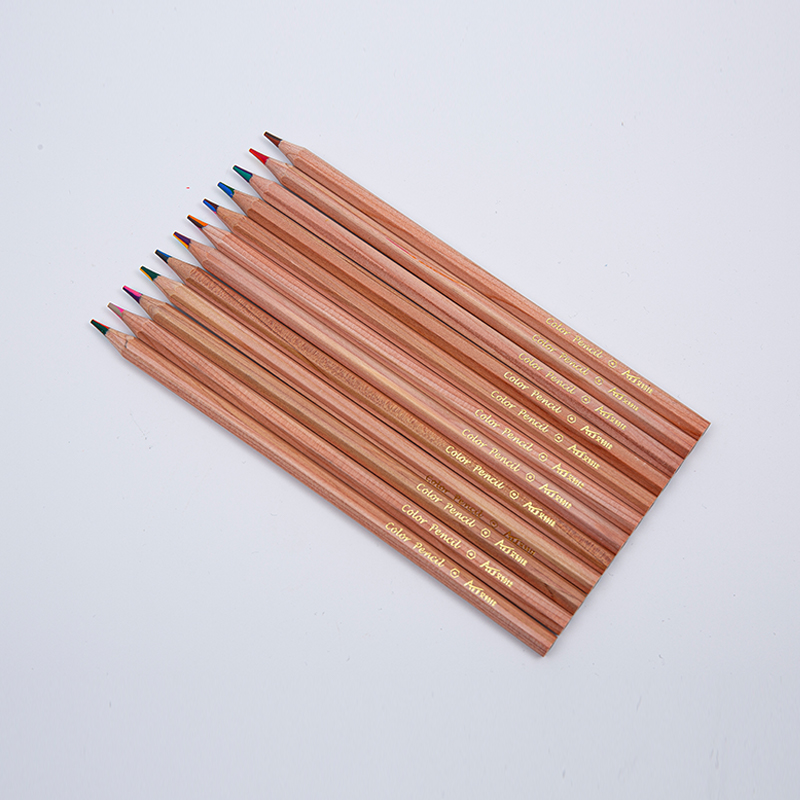
Soft poplar is often chosen because it supports several practical production needs at the same time.
Common reasons include:
- Smooth cutting and grooving behavior
- Suitable structure for shaping
- Good compatibility with coating and printing
- Stable performance in sharpening applications
- Consistent appearance across production batches
In pencil manufacturing, the slat has to perform well both in factory processing and in end use. That is one reason Soft Poplar Pencil Slats continue to hold a strong position in this category.
What Role Do Pencil Slats Play in the Finished Product?
The slat is one of the core structural components of a pencil. It surrounds and supports the writing or coloring core while also forming the visible outer body of the product.
This means the slat affects multiple stages and functions, including:
- Core positioning
- Barrel shaping
- Bonding stability
- Surface finishing
- Sharpening behavior
- Hand feel and visual presentation
When the slat material is poorly processed or inconsistent, those issues often show up later as product defects. In contrast, a well-prepared slate helps support smoother manufacturing and a cleaner finished pencil.
That is why many pencil producers pay close attention to the slat material before focusing on decorative details.
How Do Soft Poplar Pencil Slats Support Factory Processing?
A practical material choice is often one that helps reduce production friction. In pencil manufacturing, the slat passes through several mechanical and finishing stages before becoming a complete product.
Soft poplar is commonly valued in processing because it can support:
Cleaner Grooving
Groove quality matters because it determines how the core sits inside the slat. More consistent growing helps maintain the internal structure.
Stable Bonding
When two grooved slats are joined around the core, surface condition and material stability affect bonding performance.
Smooth Shaping
Pencils may be produced in round, hexagonal, or triangular forms. A workable wood structure helps support cleaner shaping and edge definition.
Surface Readiness
After shaping, pencils often go through painting, coating, stamping, or printing. A more uniform slat surface helps support a more even appearance.
These processing details are especially relevant in volume manufacturing, where small inconsistencies can affect output efficiency over time.
Pencil manufacturing depends on materials that perform reliably across both production and use. The slate is one of those materials, and its quality affects more than appearance alone. It influences shaping, bonding, sharpening, and surface finish in ways that directly affect the finished pencil.
A capable Soft Poplar Pencil Slats Factory helps support cleaner machining, more consistent output, and smoother integration into pencil production lines. For companies involved in stationery manufacturing, paying attention to slat material remains a practical step in building a more stable product.
 Previous