
 English
  Français
 عربى
عربى Español
 中文简体
中文简体News
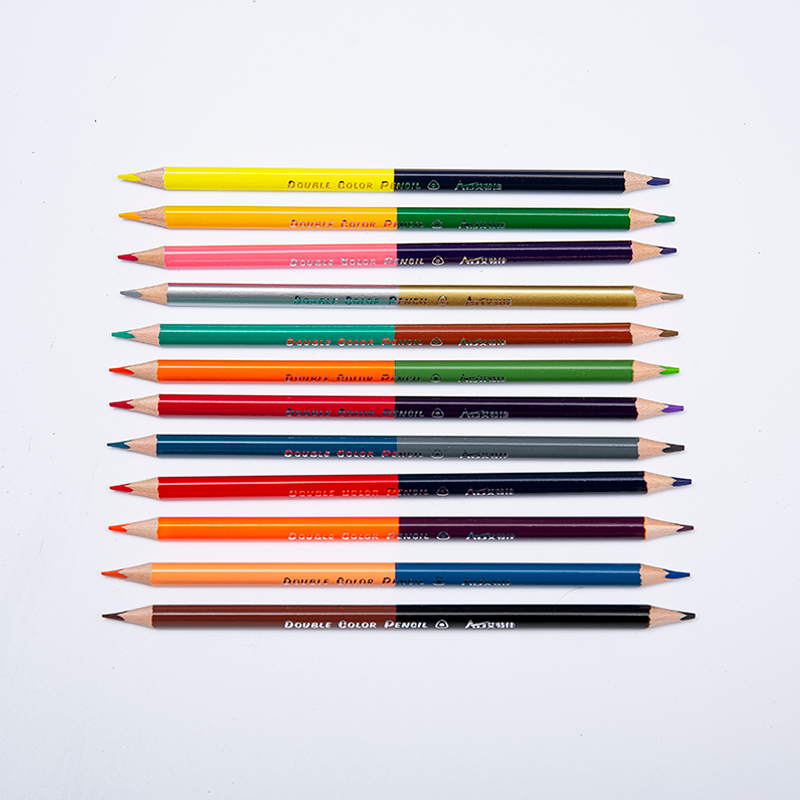
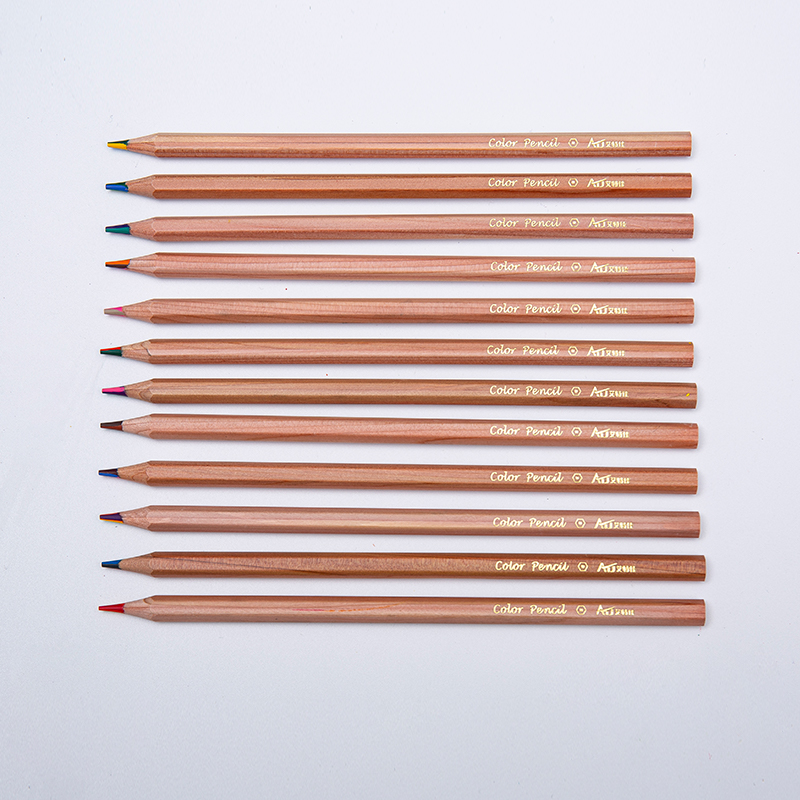
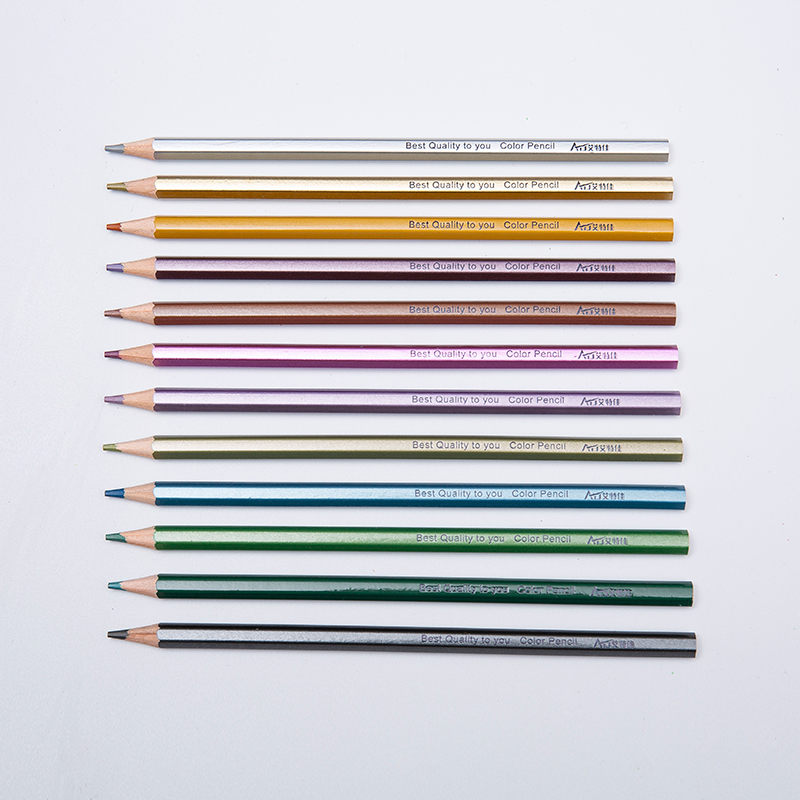
Color pencils are widely used in illustration, design, education, and hobby art. At the center of each pencil is the Color Pencil Lead, a carefully formulated core made from pigment and binder. Its internal structure determines color strength, blending behavior, and sharpening stability.
A structured Color Pencil Lead Factory focuses on raw material control, mixing precision, and extrusion accuracy. Understanding how the core is manufactured helps clarify why some pencils blend smoothly while others crumble or feel dry.
What Is Color Pencil Lead Made Of?
Unlike graphite cores, Color Pencil Lead is produced from finely milled pigments combined with binders such as wax or oil. The binder holds pigment particles together and influences hardness, opacity, and layering behavior.
Additional fillers may be included to balance texture and structural strength. The formulation ratio between pigment and binder directly affects color output and tip durability. Higher pigment concentration increases vibrancy, while binder composition shapes glide and blending performance.
Wax-Based vs Oil-Based Color Pencil Lead
Binder type changes drawing characteristics significantly.
Wax-based cores offer smooth laydown and easy blending. They are commonly used in coloring books and educational sets.
Oil-based cores provide firmer texture and controlled layering, suitable for detailed illustration and mixed media work.
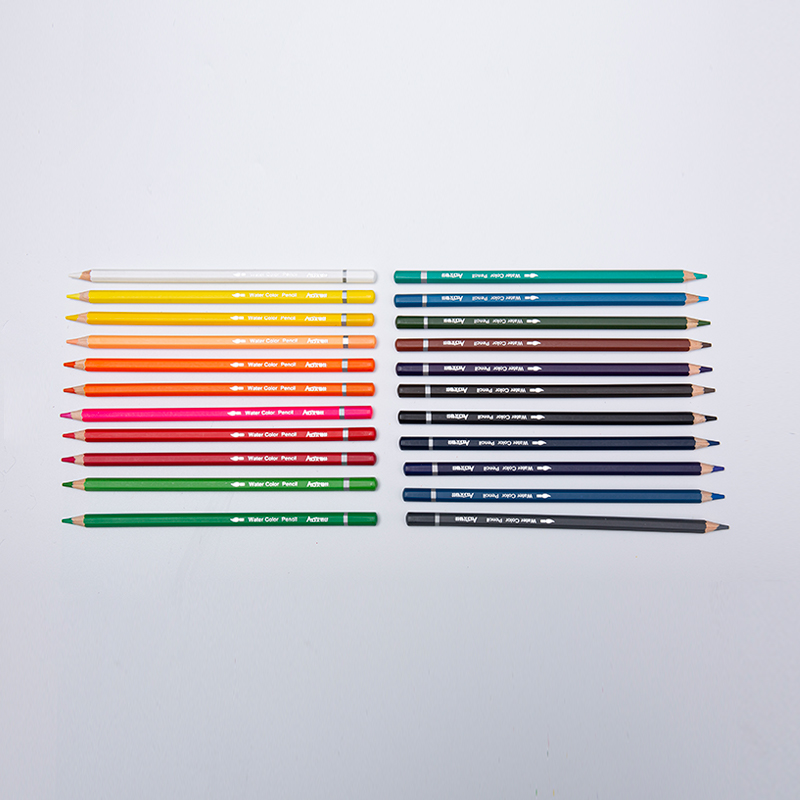
Water-soluble cores allow pigment activation with water, expanding creative techniques.
Each formulation requires adjusted mixing ratios and extrusion parameters. Binder selection also influences how the Color Pencil Lead responds to sharpening and pressure during use.
How Color Pencil Lead Affects Blending and Layering
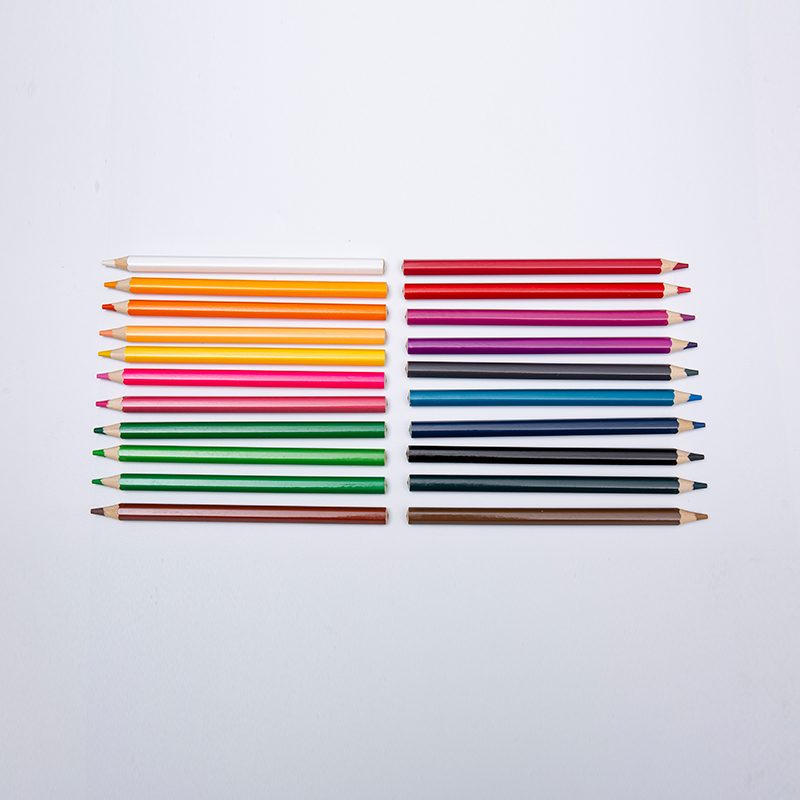
Artists value colored pencils for their blending and layering capabilities. Core softness determines how pigments overlap on paper.
Softer cores release more pigment under light pressure, creating smooth gradients. Firmer cores allow controlled detailing and textured strokes. Balanced formulation enables repeated layering without surface flaking.
Uniform pigment dispersion prevents uneven shading. A well-calibrated Color Pencil Lead Factory prioritizes particle size consistency to support clean transitions between colors.
Dimensional Tolerance and Core Stability
Diameter consistency is critical. Variations affect how the core fits into wooden slats during pencil assembly. Misalignment can create uneven sharpening or internal movement.
Factories typically maintain strict tolerance ranges during extrusion. Inline measurement tools monitor diameter throughout production runs. Stable dimensions support efficient downstream processing in pencil assembly lines.
Supply Stability and Production Planning
Stable supply requires synchronized raw material sourcing and production scheduling. Pigment procurement cycles must align with forecasted color ranges. Binder storage conditions also affect material performance.
Production planning accounts for curing times and equipment maintenance intervals. Consistent scheduling reduces output fluctuations and supports long-term cooperation with pencil assembly operations.
The Role of Technical Experience
Manufacturing colored cores involves balancing pigment strength, binder elasticity, and extrusion precision. Minor formulation adjustments can significantly change the writing feel and color density.
Operational experience allows a Color Pencil Lead Factory to fine-tune mixing temperature, extrusion pressure, and drying duration. These adjustments influence structural integrity and artistic performance.
Color Pencil Lead as the Core of Creative Tools
Color pencils remain popular for illustration, design sketches, classroom activities, and hobby projects. Their portability and versatility depend largely on core quality.
The Color Pencil Lead determines shading smoothness, layering control, and sharpening behavior. Behind each core lies controlled material preparation, calibrated extrusion, and systematic inspection.
A structured Color Pencil Lead Factory integrates these production stages into a stable manufacturing workflow. Through disciplined material management and process control, colored cores maintain consistent performance across product lines, supporting both educational and artistic applications.
 Previous