
 English
  Français
 عربى
عربى Español
 中文简体
中文简体News
A graphite pencil remains a practical tool for people who write, sketch, plan, and design every day. From classrooms to design studios, professionals rely on pencils that deliver stable lines and predictable performance. Behind this reliability is the steady work of each graphite pencil Factory, where materials, shaping, and grading contribute to how the final pencil feels on paper. Buyers often look for clear solutions: consistent quality, a comfortable writing experience, and a stable supply. These needs guide how we shape our production approach and how we communicate with partners who want dependable products.
1. What shapes customer expectations for a durable graphite pencil?
For many users, the biggest concern is the pencil core breaking too easily. Frequent sharpening interrupts the workflow and wastes material. To address this, a graphite pencil Factory focuses on controlling the mixture of graphite and clay, pressing it evenly, and using steady firing processes. This attention helps the core resist breakage during sharpening or writing. The wooden barrel also plays a role; selected wood with an even grain cuts cleanly and protects the core. When customers receive pencils that sharpen smoothly and write without skipping, their trust in the product grows.
2. How does pencil grading affect different types of work?
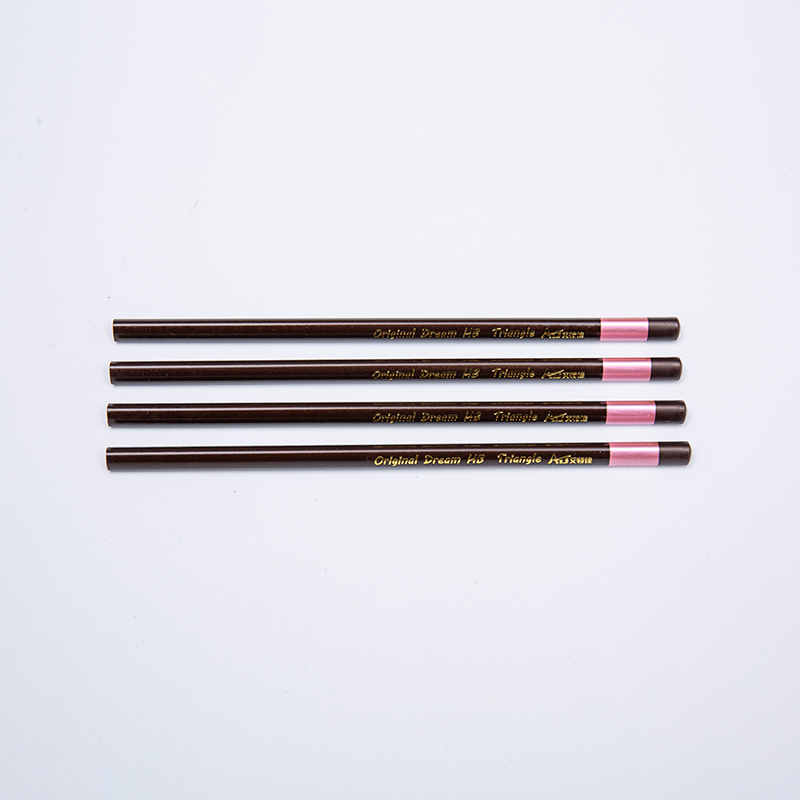
Many buyers mention confusion over the H and B grading system. Students often just want a pencil that writes clearly, while designers need options for tone variation. A graphite pencil Factory produces a wide spread of grades to meet these needs, from harder H cores to soft B shades. Harder grades suit note-taking and drafting because they create light, tidy lines that erase cleanly. Softer grades give richer tones for shading or expressive sketching. Offering a clear grading range helps distributors and retailers match the right products to the right customers.
3. Why do professional users care about surface feel?
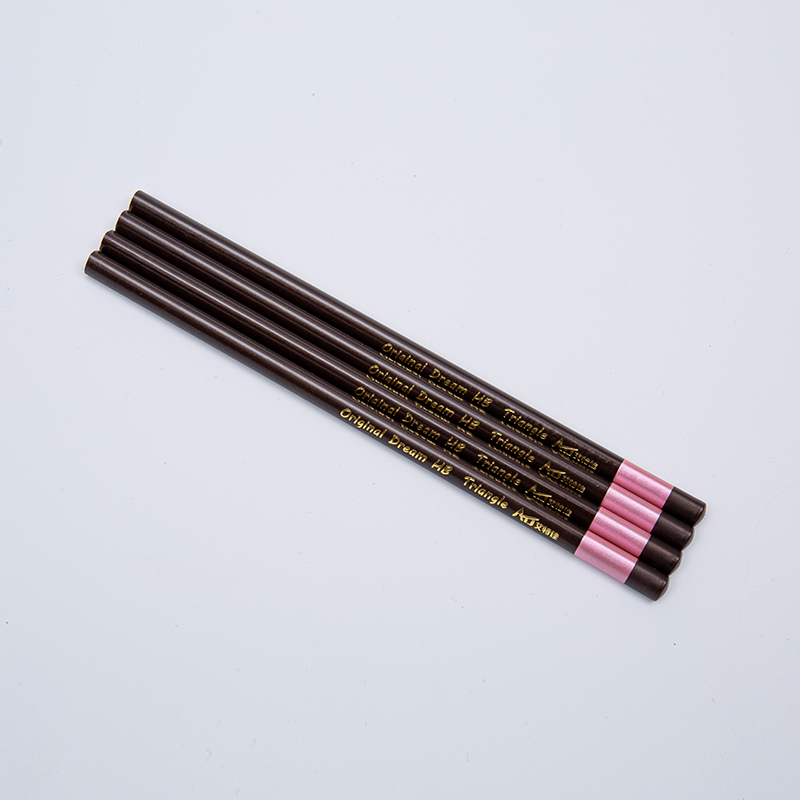
Artists and engineers often judge pencils by how they behave when moving quickly across the page. A scratchy core disrupts flow; a slippery one lacks control. This is where production detail truly matters. Our mixing and refining steps create a smooth, balanced texture that feels natural during both slow, careful strokes and rapid sketching. A graphite pencil Factory that monitors these details gives users a predictable tool, which is especially important for long work sessions. When the pencil feels right in hand, users can focus on the task instead of adjusting their technique.
4. How do stable supply and consistent batches support buyers?
Large buyers seldom look only at the pencil itself; they also want a supplier that delivers steady shipments. A structured production line, batch tracking, and quality checks allow a graphite pencil Factory to maintain uniform tone and hardness across orders. Consistency reduces return rates and helps retailers build customer loyalty. For private-label clients, matching previous batches is especially important so their brand identity stays intact. Good communication and clear packaging options add another layer of reliability that B2B partners appreciate.
Across education, drafting, office work, and art applications, the graphite pencil continues to serve as an adaptable tool. When a graphite pencil Factory prioritizes steady quality, thoughtful grading, and reliable service, it supports every user—whether they are writing quick notes, shaping a product concept, or developing a detailed illustration.
 Previous