

 English
 Français
 عربى
 Español
 中文简体
News
Home / Blogs / Industry News / Hexagonal Strip HB Graphite Pencils: The Shape That Keeps the Pencil Where You Put It
A hexagonal pencil does not roll off the desk. That is the practical reason the shape exists, and it is the reason the school market still buys hexagonal pencils by the case. The six flats give the fingers a grip, the edges give the user a reference point when rotating the pencil, and the shape stops the pencil from migrating across the table while the hand is reaching for the eraser. Hexagonal strip HB graphite pencils take that shape and put the standard HB lead inside it. The result is a pencil that does the two things a pencil has to do: write a dark line and stay put.
A round pencil rotates in the fingers under pressure. A hexagonal pencil does not. The flats distribute the grip across a wider surface and the edges prevent the rotation. The user who writes for a long time notices the difference in the hand.
The standard hexagonal pencil measures about seven millimeters across the flats. That dimension fits the standard sharpener, the standard pencil extender, and the standard hand. The hexagonal strip HB graphite pencil that holds the dimension fits the tools the school already owns.
The shape is the housing. The lead is the product. HB sits in the middle of the graphite scale, hard enough to hold a point and soft enough to leave a readable line without the pressure that snaps the tip.
The lead has to be centered in the hexagonal barrel. An off-center lead sharpens unevenly, and the user gets a point with the graphite on one side and the wood on the other. The hexagonal strip HB graphite pencil with the centered lead sharpens to the symmetrical point every time.
The hexagonal barrel is painted in the strip pattern or the solid color that carries the brand. The lacquer has to hold through the sharpener and the pencil case. A painted barrel that chips at the edge exposes the pale wood underneath and the pencil looks old before it is used up.
The hexagonal strip HB graphite pencil with the properly cured lacquer keeps its look through the school year.
The ferrule is the metal band that holds the eraser. It is crimped onto the end of the barrel. The crimp has to hold the eraser without splitting the wood. The hexagonal strip HB graphite pencil with the calibrated crimp force holds the eraser straight.
Here is what a hexagonal strip HB graphite pencil has to deliver:
The school supply list. The classroom. The exam hall. The office supply closet. The promotional order with the company logo on the hexagonal barrel. The hexagonal shape is the standard, and the HB is the grade the market runs on.
The lead is off-center because the slat groove was off. The pencil sharpens unevenly and the point snaps. The hexagonal strip HB graphite pencil with the centered lead holds the point. The paint chips because the lacquer was thin. The properly cured lacquer holds.
A hexagonal strip HB graphite pencil does the two things a pencil has to do. The hex shape keeps it on the desk. The HB lead writes the line. Choose a pencil with the centered lead and the lacquer that holds.
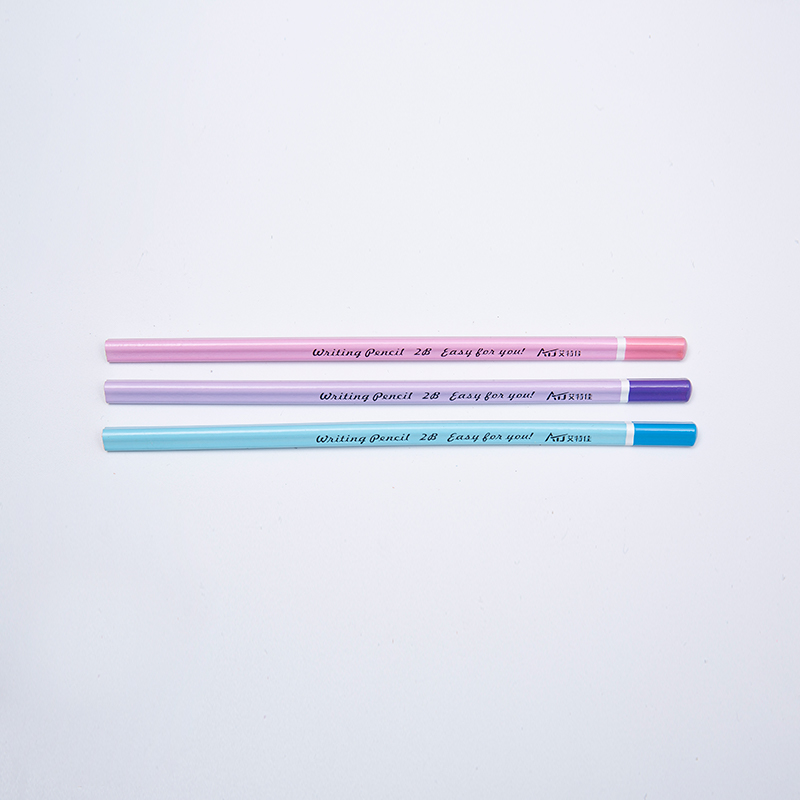
If you have any questions, please fill out the contact form at the bottom of the page and contact us.
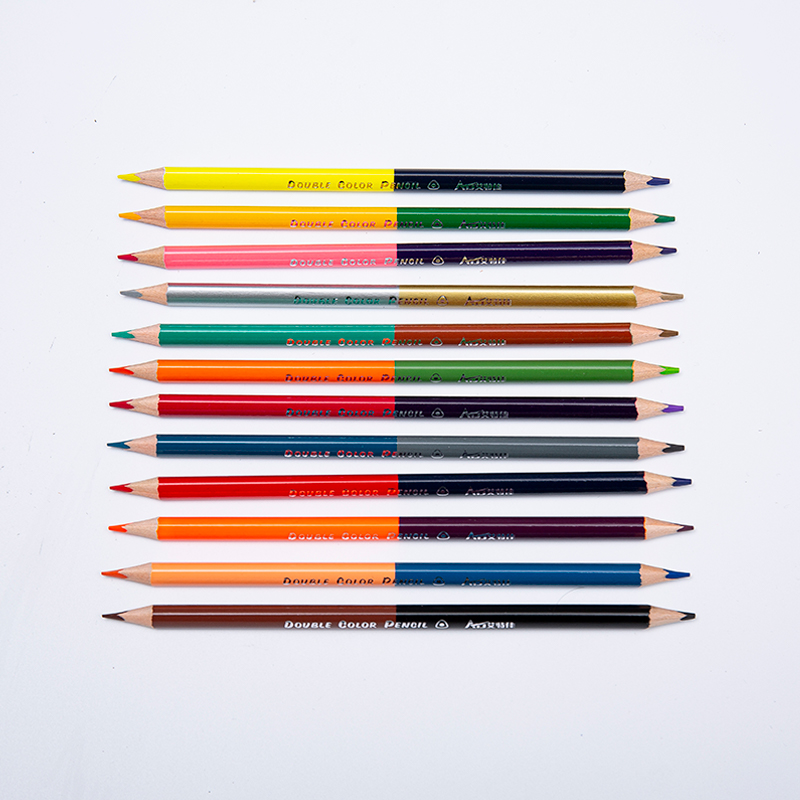 24 Colors Kids Double Ended Wood Color Pencils
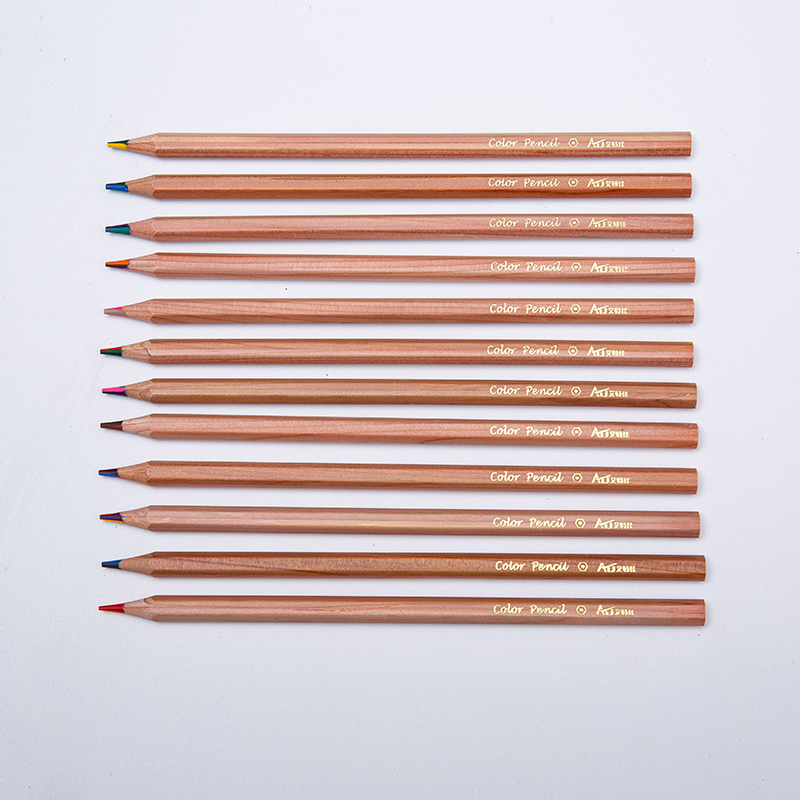 Cedar Wooden Mixed Color Pencils
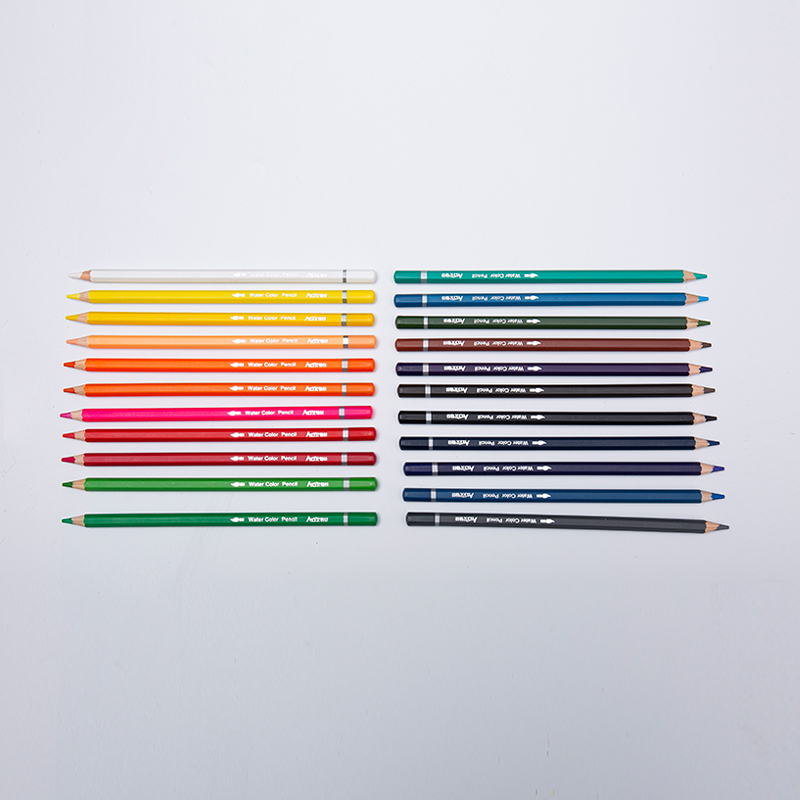 Hexagonal Watercolour Pencils for Children Drawing
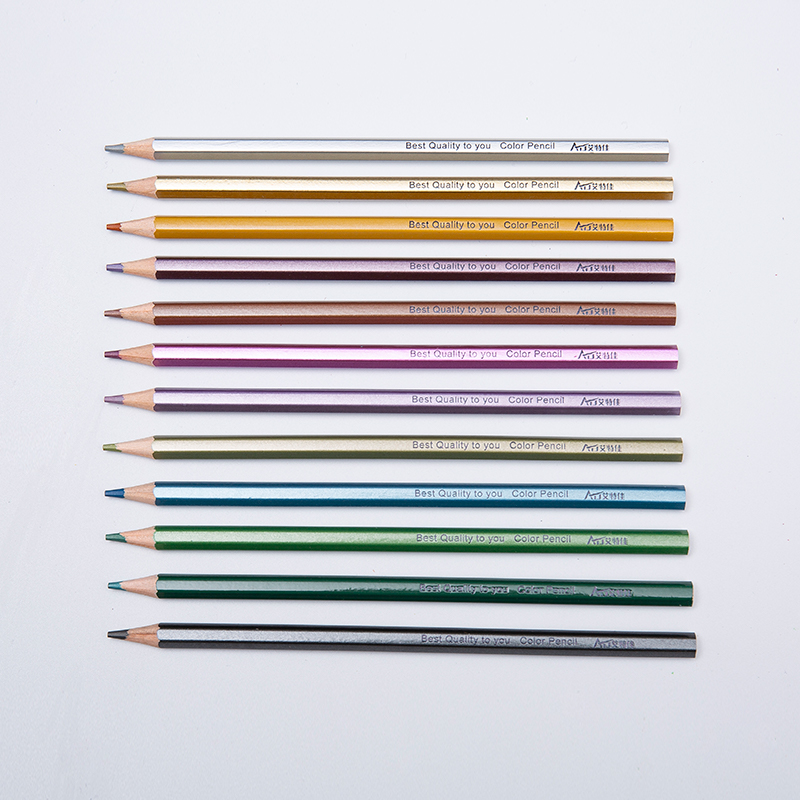 Metallic Colouring Pencils for Drawing
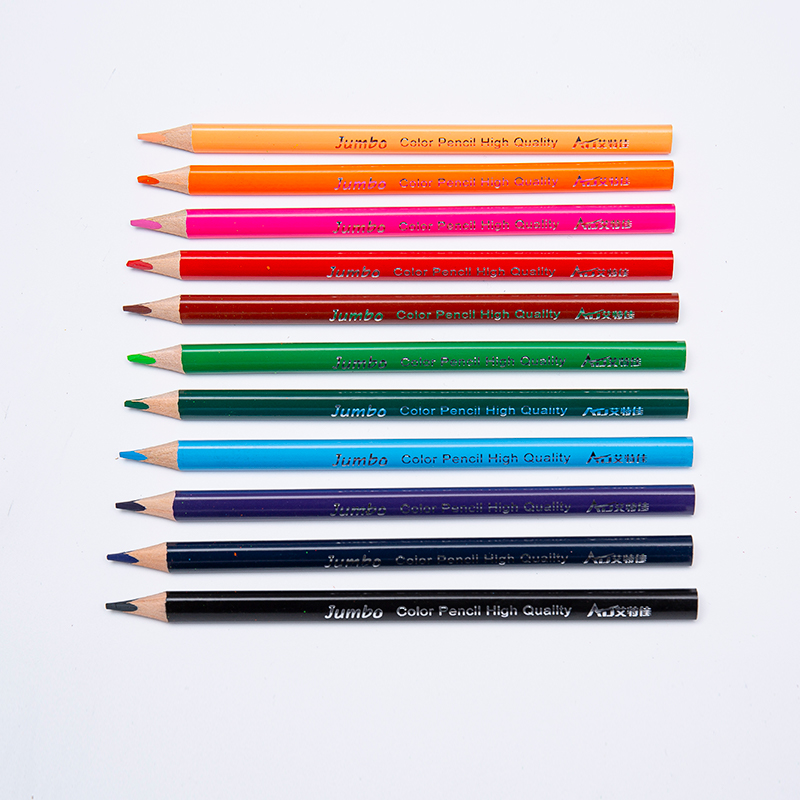 Natural Wood Jumbo Triangular Color Pencils
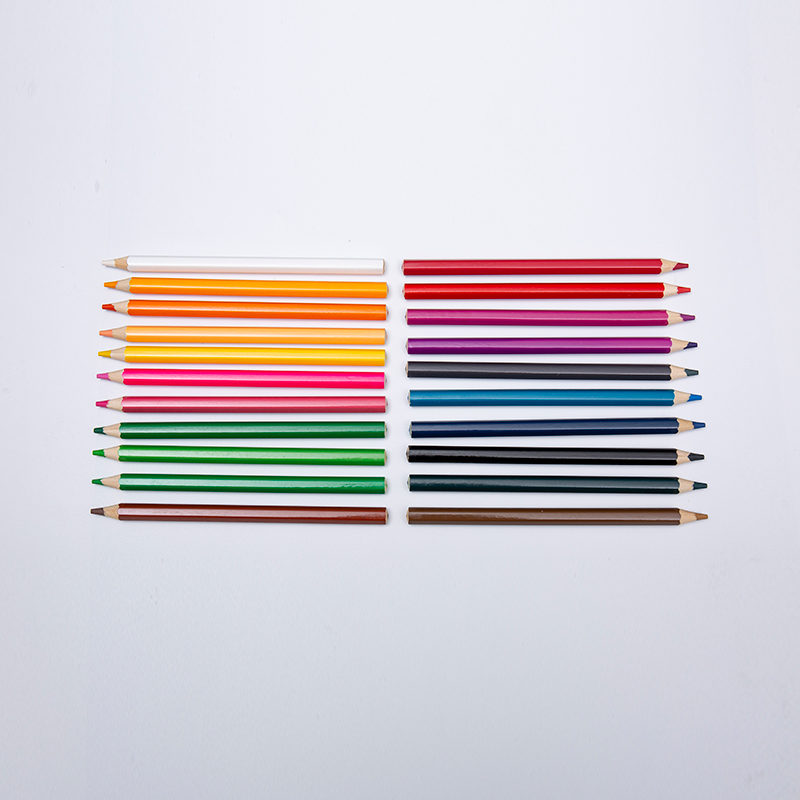 Hexagonal Jumbo Color Pencils
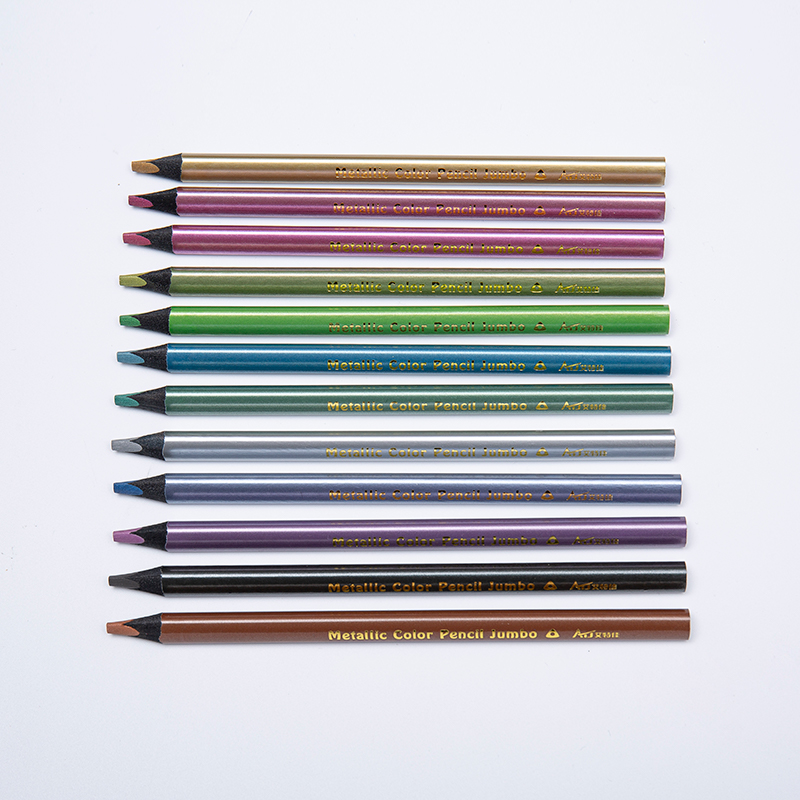 Jumbo Triangular Metallic Colored Pencils
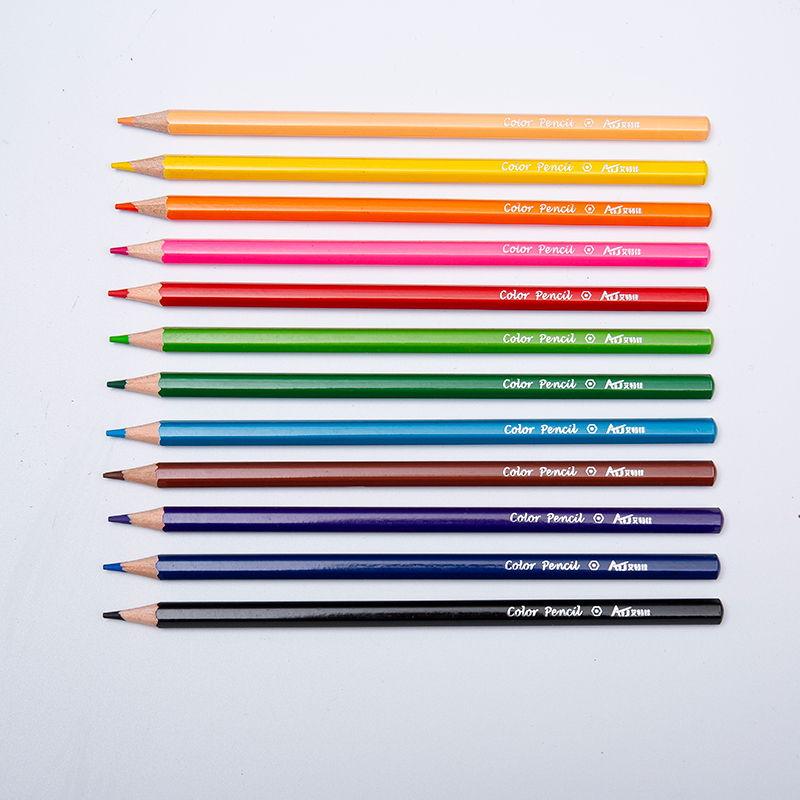 Students Hexagonal Wooden Watercolor Pencils
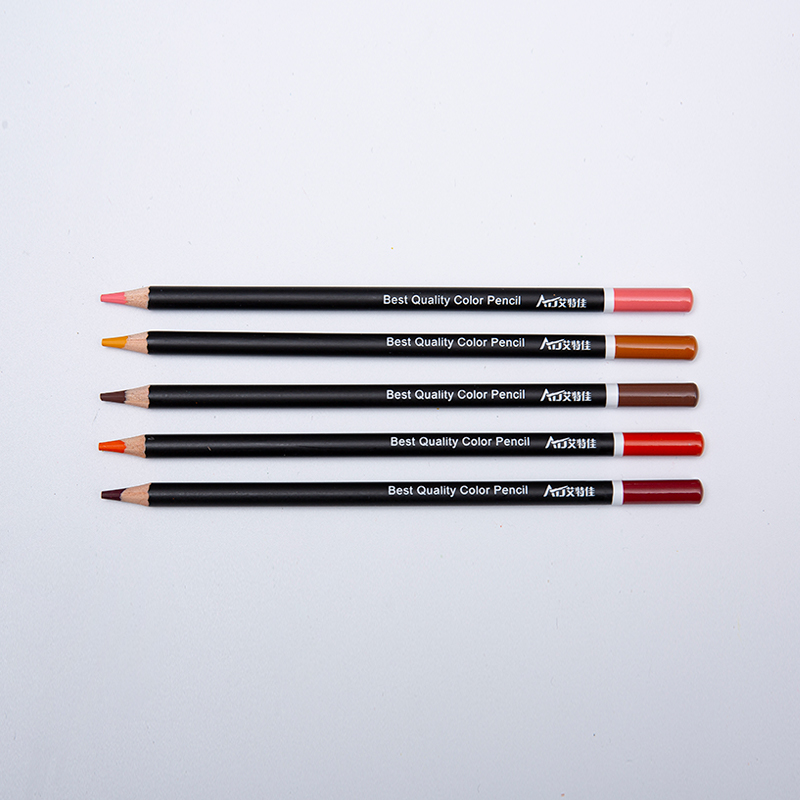 Eco-friendly Colored Pencils With Dipping End
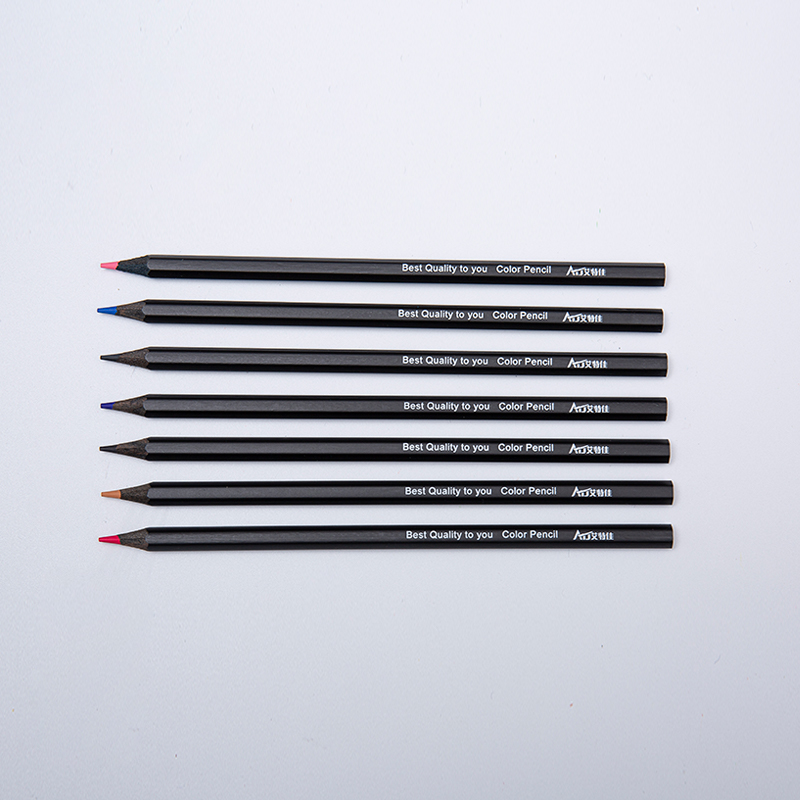 Professional Black Wood Hexagon Color Pencils
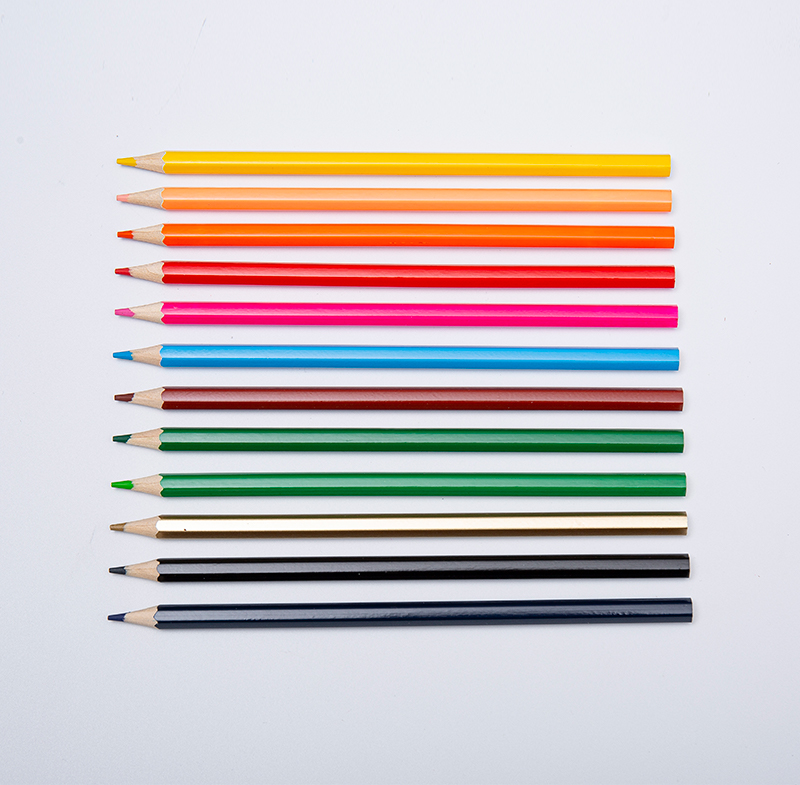 Hexagonal Drawing Colour Pencils for Children Adult
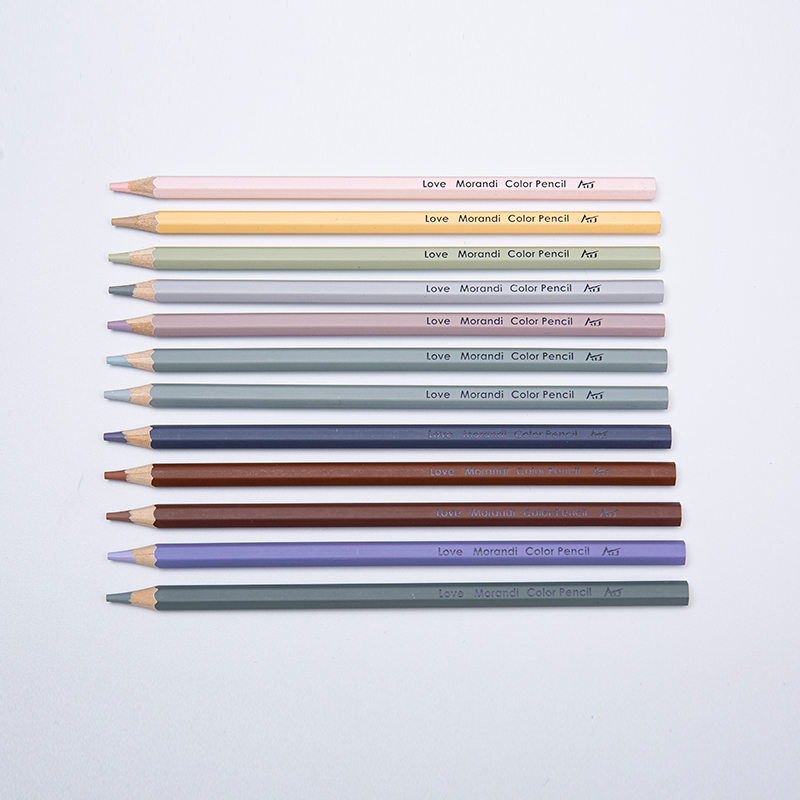 White Linden Morandi Colored Pencils
© Aitejia Stationery
No 32. Jinshan Avenus, Pingdu Industrial Zone, Qingyuan Country, Lishui, Zhejiang, China
+(86) 19857810299 / +(86) 578-6057586
Copyright ©Zhejiang Aitejia Stationery Co., Ltd. All Rights Reaerved.
Colored Wood Pencils Slats Factory

 Previous