

 English
  Français
 عربى
عربى Español
 中文简体
中文简体News
Home / Blogs / Industry News / 2B Pencil Manufacturer: The Darker Mark That Students and Artists Reach For
A standard HB pencil writes. A 2B pencil draws, shades, and fills. The lead is softer. The mark is darker. More graphite ends up on the paper with every stroke. Students use 2B pencils for exam answer sheets because the scanner reads the dark mark reliably. Artists use them for sketching and shading because the line glides and smudges beautifully. A 2B pencil manufacturer produces these pencils by the millions, and the key is the graphite core: too hard and the mark comes out light, too soft and the point disappears after three sentences.
The pencil grading scale runs from hard H grades to soft B grades. The number tells how far along the scale the lead sits. 2B is two steps into the soft range. The core is a mix of graphite powder and clay. More graphite means a softer, darker mark. Less clay means the core wears faster.
A 2B pencil manufacturer controls the graphite-to-clay ratio. The blend is mixed with water, extruded through a die, and fired in a kiln. The firing temperature and duration affect the core strength. A core that is under-fired crumbles. A core that is over-fired turns hard and writes like an H.
The core also has to be centered in the wood. An off-center core sharpens unevenly. One side of the point has bare graphite, the other side has wood. A 2B pencil manufacturer holds centering tolerance so every sharpening produces a clean, symmetrical point.
The wood body is a sandwich. Two slats of wood, grooved to hold the graphite, glued together around the core, then shaped into a hexagon or a circle. The wood has to be soft enough to sharpen without splintering and strong enough to protect the core.
Cedar is the traditional choice. It sharpens smooth and smells right. But cedar is expensive. Poplar and basswood are the standard substitutes. A 2B pencil manufacturer using poplar or basswood manages moisture content and grain quality to match cedar's sharpening behavior.
Moisture content is critical. Wood that is too dry absorbs humidity and warps. Wood that is too wet shrinks after assembly and cracks the lacquer. A 2B pencil manufacturer dries the slats to between 8 and 12 percent moisture before grooving and gluing.
The lacquer is the pencil's visible surface. It covers the wood, hides the seam, and carries the brand color. A 2B pencil manufacturer applies the lacquer in multiple coats, curing each one before the next. The finish has to be smooth in the hand and hard enough to resist dents.
The ferrule is the metal band that holds the eraser. It is crimped onto the end after the lacquer cures. A loose ferrule lets the eraser wiggle. A tight ferrule splits the wood. A 2B pencil manufacturer calibrates the crimping force to hold without damaging the barrel.
The eraser is the final component. It has to erase clean without smearing. A 2B pencil manufacturer sources the eraser from a compounder who formulates the rubber to match the graphite grade. 2B graphite is soft and smudges more than HB. The eraser has to lift it.
Here is what a 2B pencil manufacturer needs to deliver:
In many countries, standardized tests require 2B pencils for the answer sheet. The machine reader needs a dark, consistent mark. A pencil that writes too light fails the student. A 2B pencil manufacturer supplying the exam market faces strict specifications and high-volume orders tied to test dates.
The pencils have to be consistent. Every pencil in the box writes the same darkness. A 2B pencil manufacturer tests the cores for hardness and darkness before they go into the wood. The exam market does not tolerate variation.
Artists use 2B pencils for sketching, life drawing, and shading. The soft graphite lays down a smooth line and smudges for tonal work. A 2B pencil manufacturer serving artists produces pencils with a higher-quality finish, often with a matte or natural wood barrel.
The artist feels the difference. The pencil has to sharpen to a long point for detail work. The core has to be strong enough to hold that point without snapping. A 2B pencil manufacturer that balances softness and core strength builds a pencil the artist reaches for.
The core snaps inside the barrel when the pencil is dropped. The user sharpens through the break and loses a third of the pencil. A 2B pencil manufacturer that bonds the core properly and fires it to the right strength prevents internal breakage. The core scratches instead of glides because the graphite particles are too coarse. A poorly milled 2B lead drags and leaves a gritty line. Quality graphite is smooth from the first stroke to the last.
A 2B pencil manufacturer builds the pencil that darkens the answer sheet and shades the sketchbook. The core is soft enough to write dark, strong enough to hold a point, and centered enough to sharpen clean. Choose a manufacturer that controls the graphite blend, dries the wood, and calibrates the ferrule. The pencil will write dark and sharpen smooth. That is what a 2B is supposed to do.
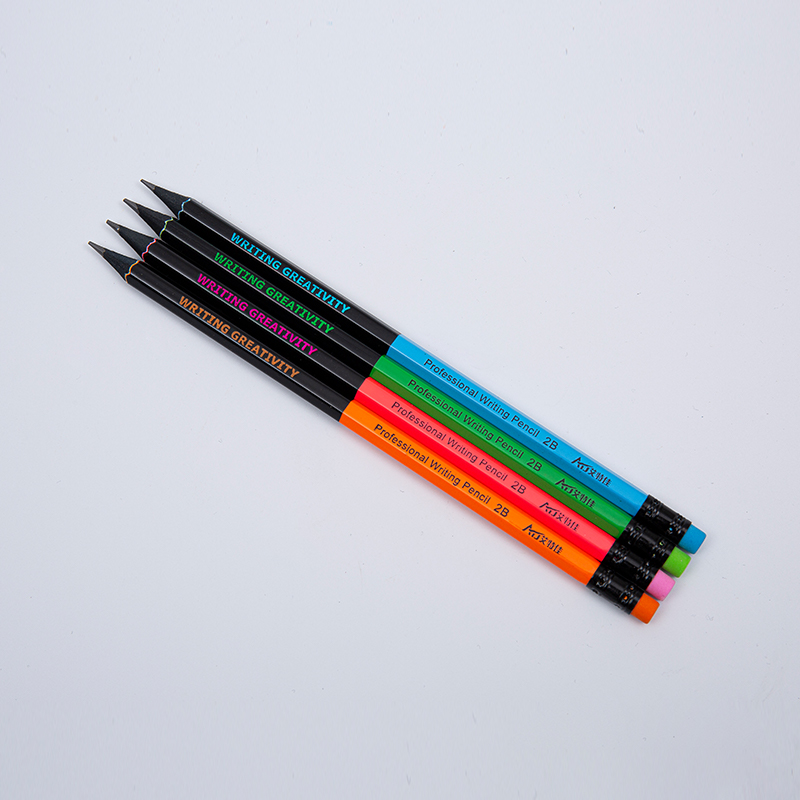
If you have any questions, please fill out the contact form at the bottom of the page and contact us.
 24 Colors Kids Double Ended Wood Color Pencils
 Cedar Wooden Mixed Color Pencils
 Hexagonal Watercolour Pencils for Children Drawing
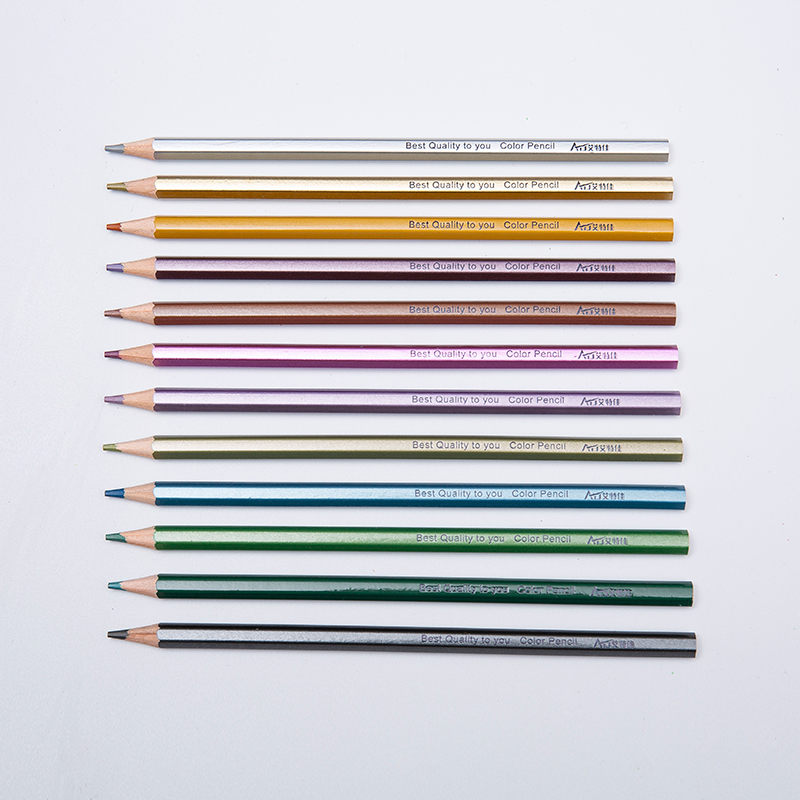 Metallic Colouring Pencils for Drawing
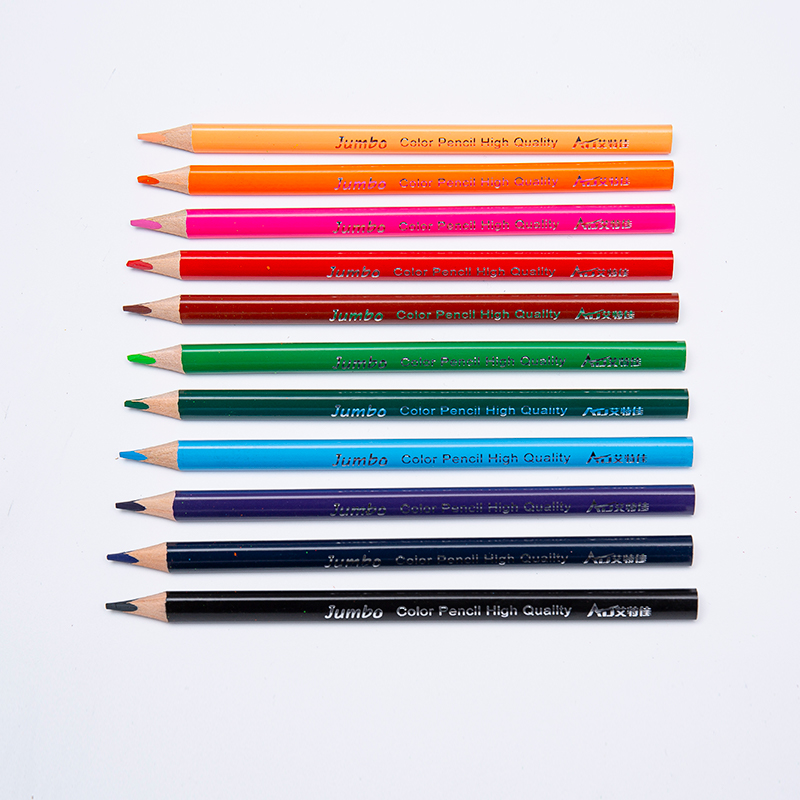 Natural Wood Jumbo Triangular Color Pencils
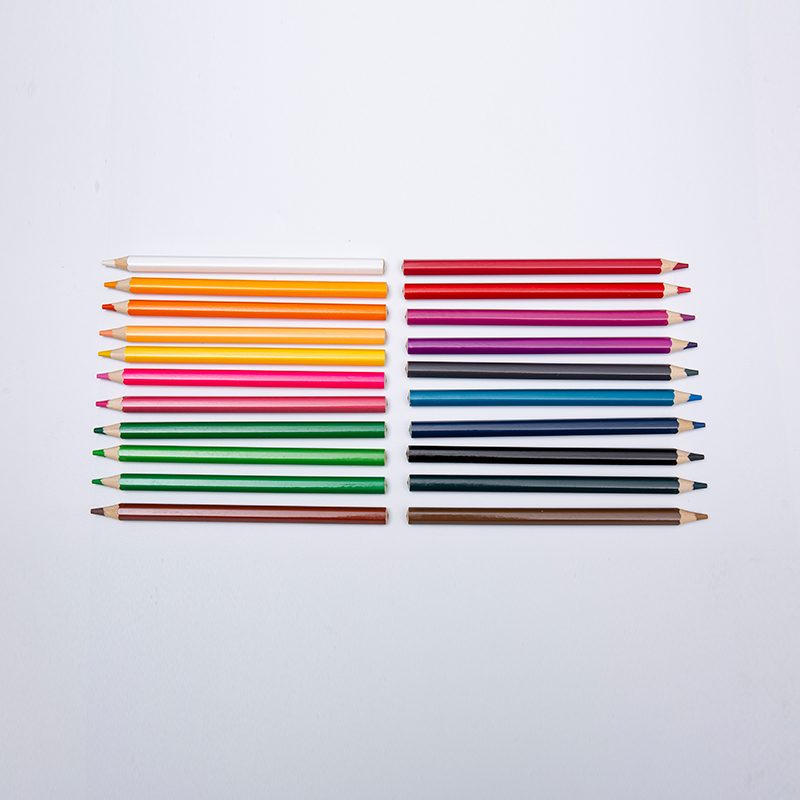 Hexagonal Jumbo Color Pencils
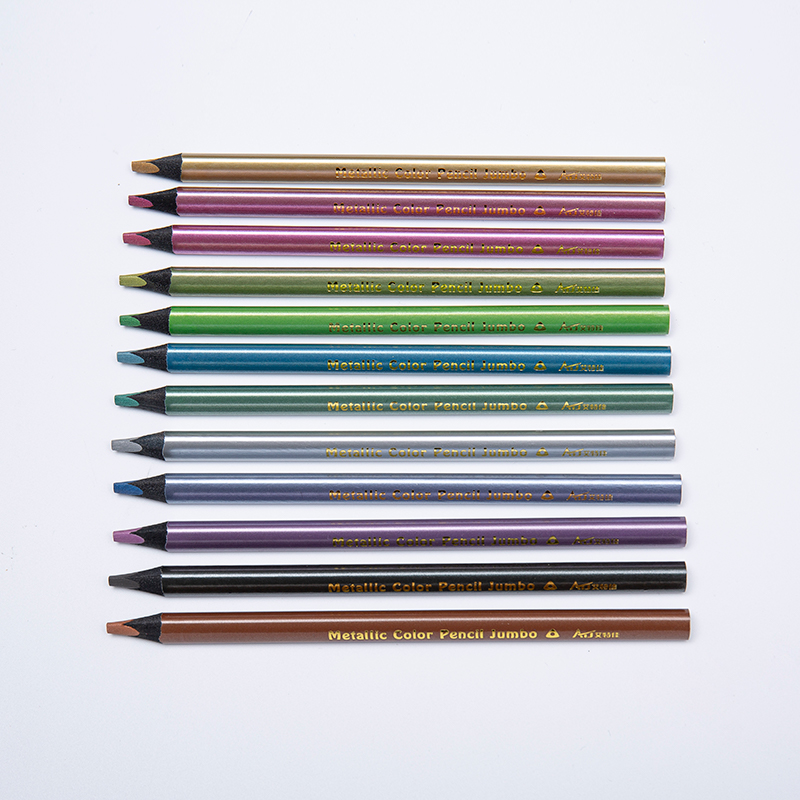 Jumbo Triangular Metallic Colored Pencils
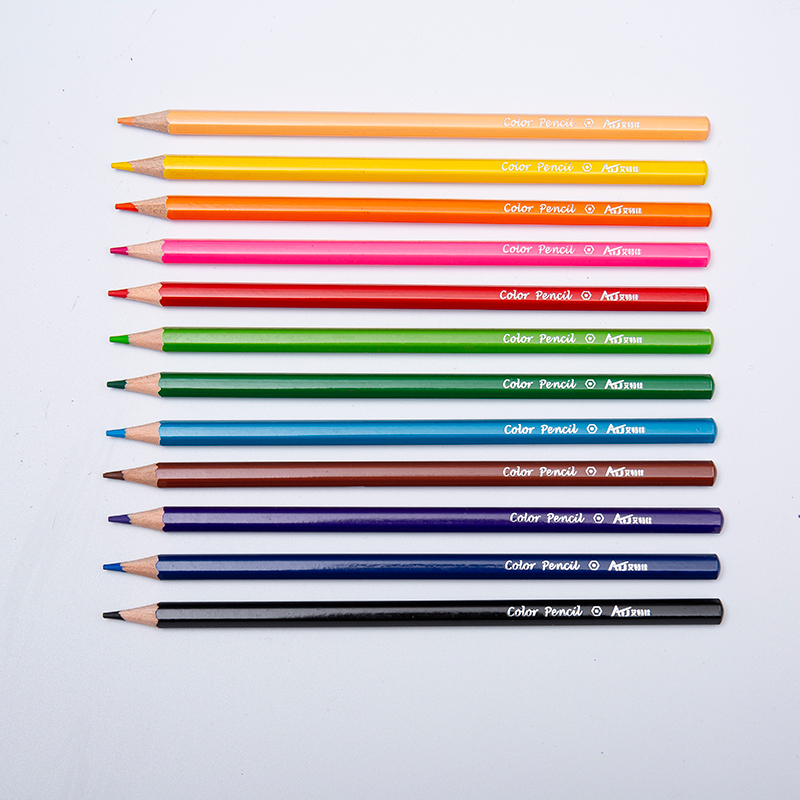 Students Hexagonal Wooden Watercolor Pencils
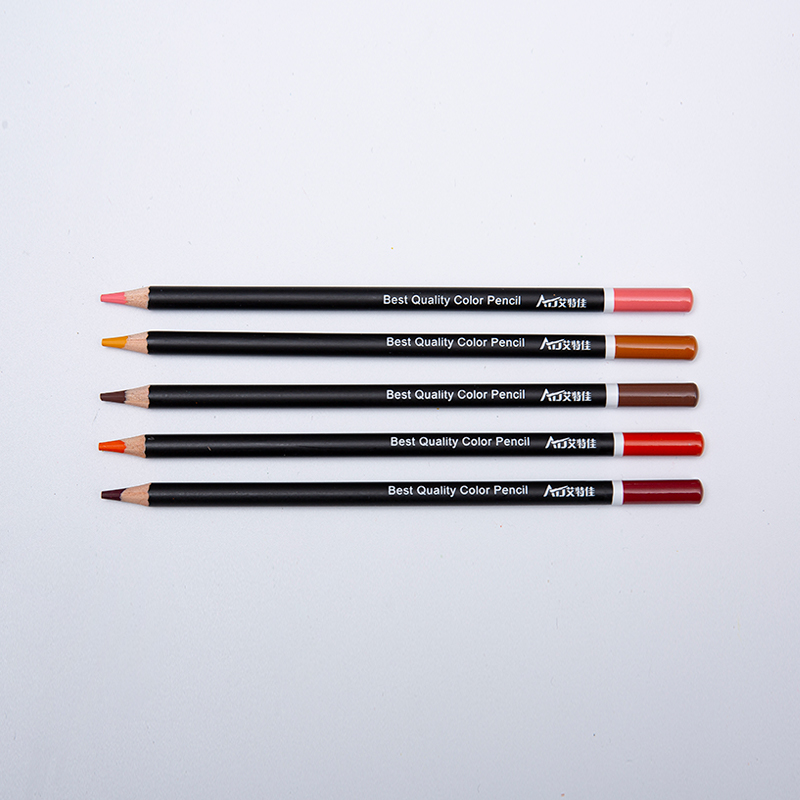 Eco-friendly Colored Pencils With Dipping End
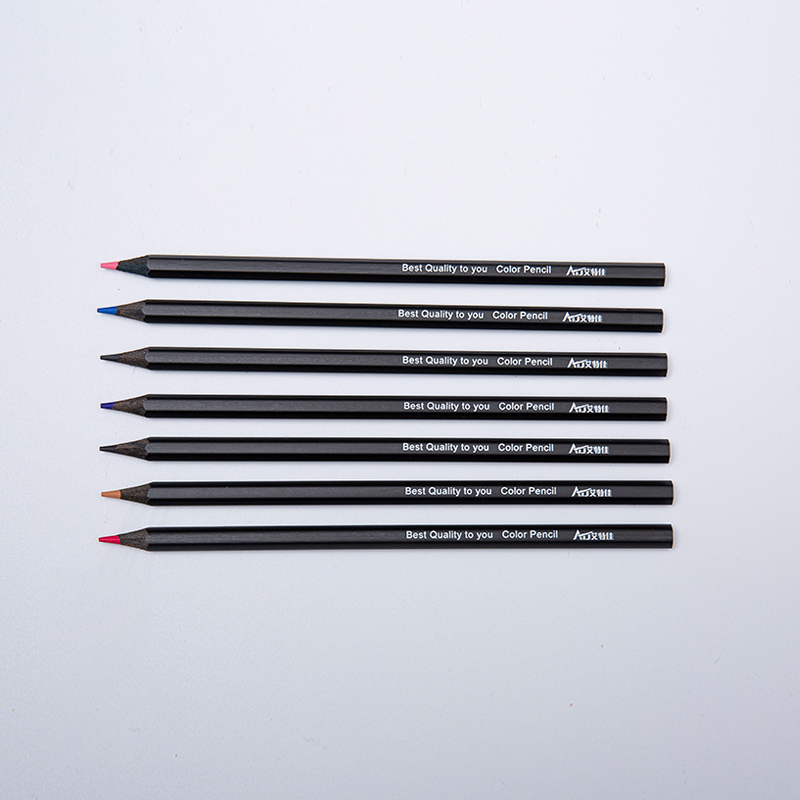 Professional Black Wood Hexagon Color Pencils
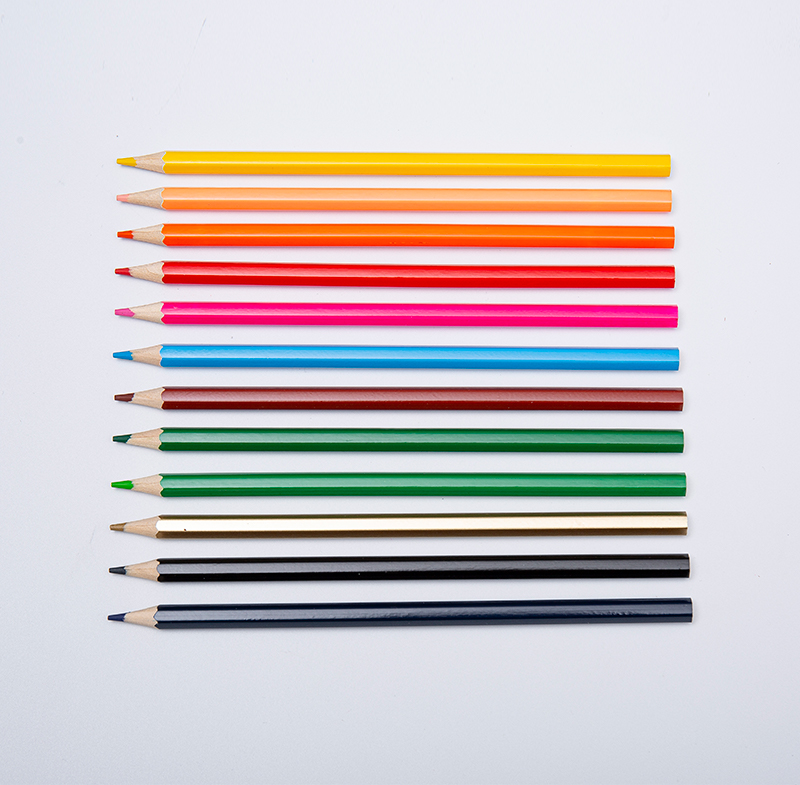 Hexagonal Drawing Colour Pencils for Children Adult
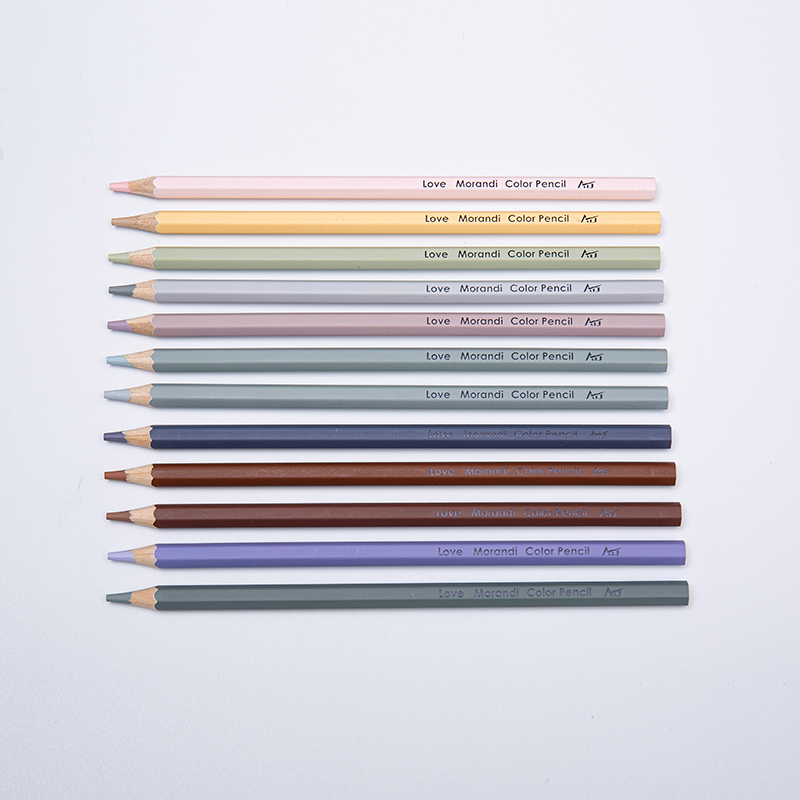 White Linden Morandi Colored Pencils
© Aitejia Stationery
No 32. Jinshan Avenus, Pingdu Industrial Zone, Qingyuan Country, Lishui, Zhejiang, China
+(86) 19857810299 / +(86) 578-6057586
Copyright ©Zhejiang Aitejia Stationery Co., Ltd. All Rights Reaerved.
Colored Wood Pencils Slats Factory

 Previous